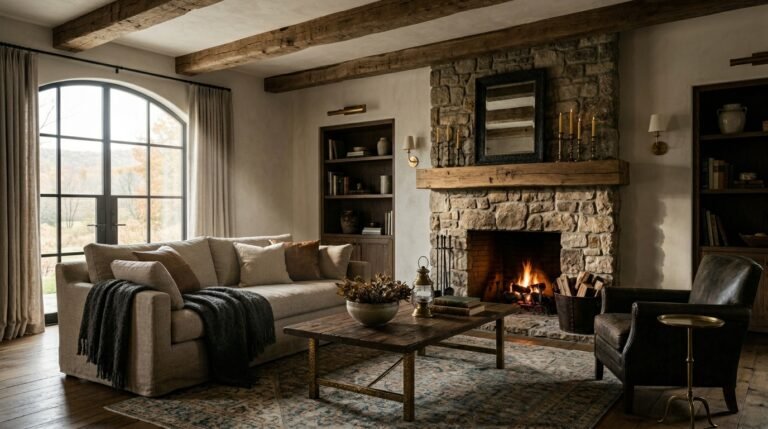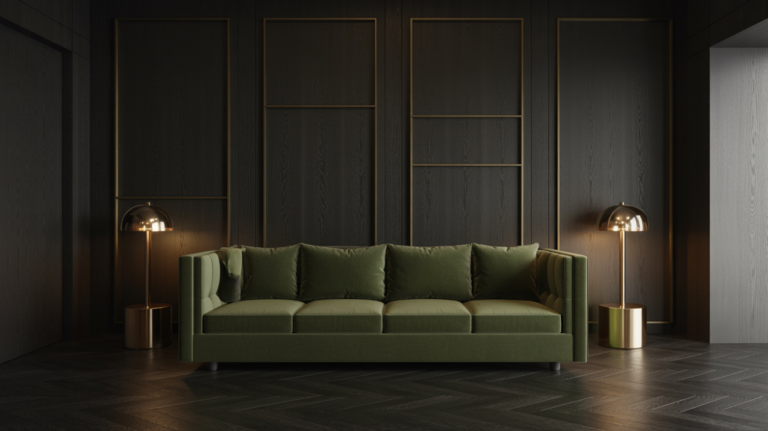
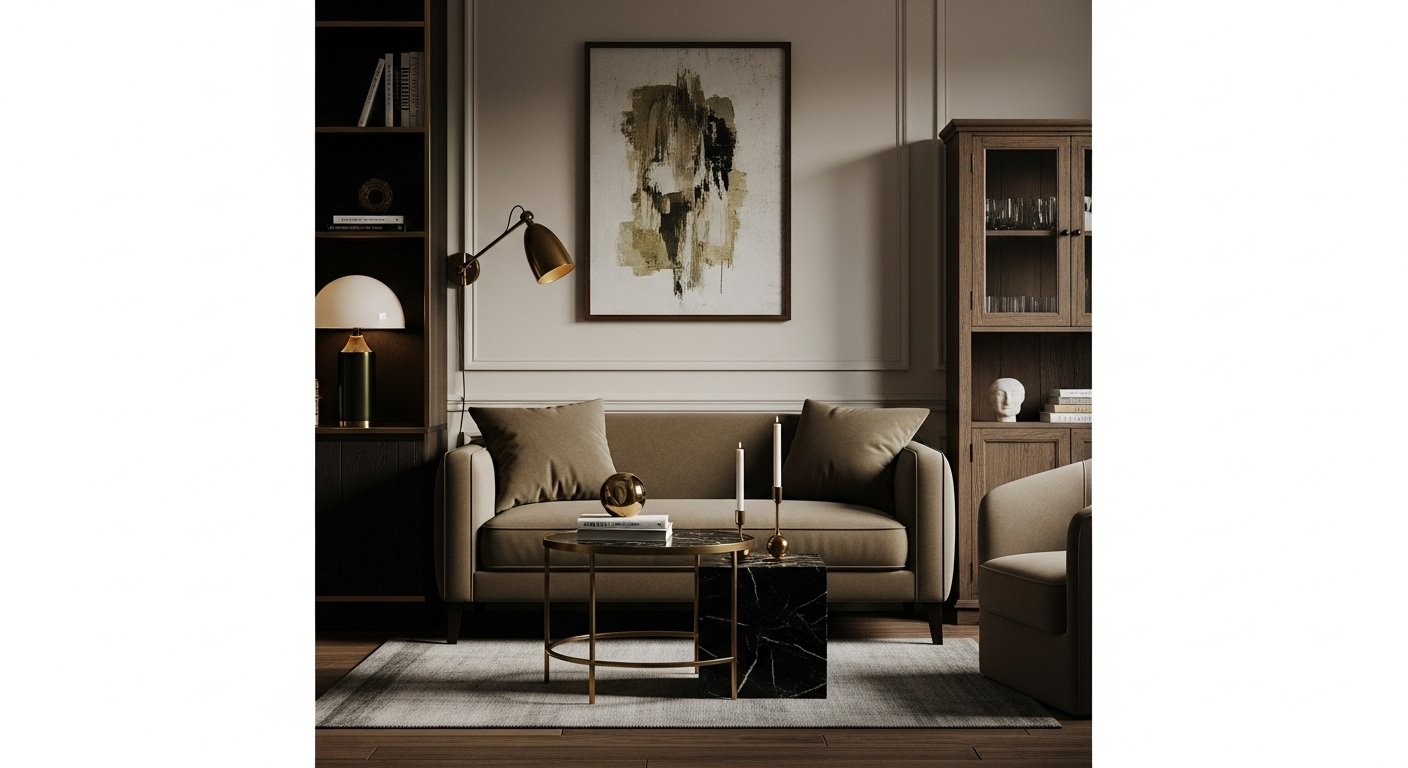
20 Smart Small Room Ideas That Actually Work
Maximizing a small space requires more than just clever organization; it demands a strategic shift in how we perceive volume and functionality. Many homeowners feel trapped by the physical limitations of four narrow walls, but the secret to a spacious feel lies in the art of visual continuity and multi-purpose design. By integrating smart architectural hacks and curated furniture choices, you can transform a cramped quarters into a breathable sanctuary that feels twice its size. This guide explores twenty proven techniques that balance aesthetics with utility, ensuring every square inch serves a distinct purpose without sacrificing style. Whether you are dealing with a tiny studio apartment or a compact guest bedroom, these expert-approved strategies will help you reclaim your space and create a home that feels both expansive and inviting.
[Visual Here]
1. Utilize Vertical Storage Solutions
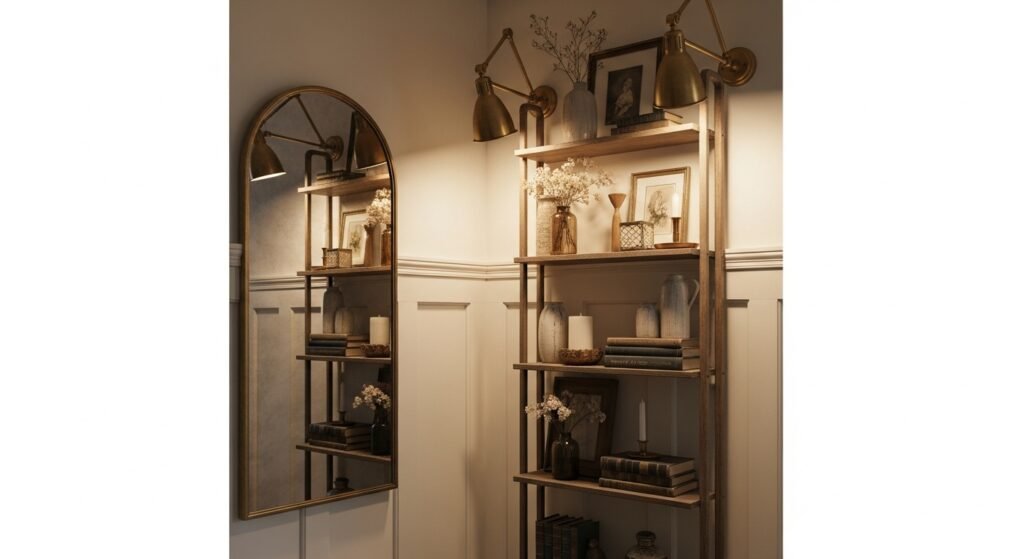
When floor space is at a premium, the only way to go is up. Vertical shelving units allow you to store books, decor, and essentials without encroaching on the walkable area of your room. By installing floor-to-ceiling bookshelves or tall, slender cabinets, you draw the eye upward, which naturally creates the illusion of higher ceilings. This technique is particularly effective in small offices or living areas where clutter tends to accumulate on horizontal surfaces. Choose open shelving to maintain an airy feel or closed cabinets to hide away less attractive necessities. This approach ensures that every inch of wall space is working to keep your environment organized and visually clean.
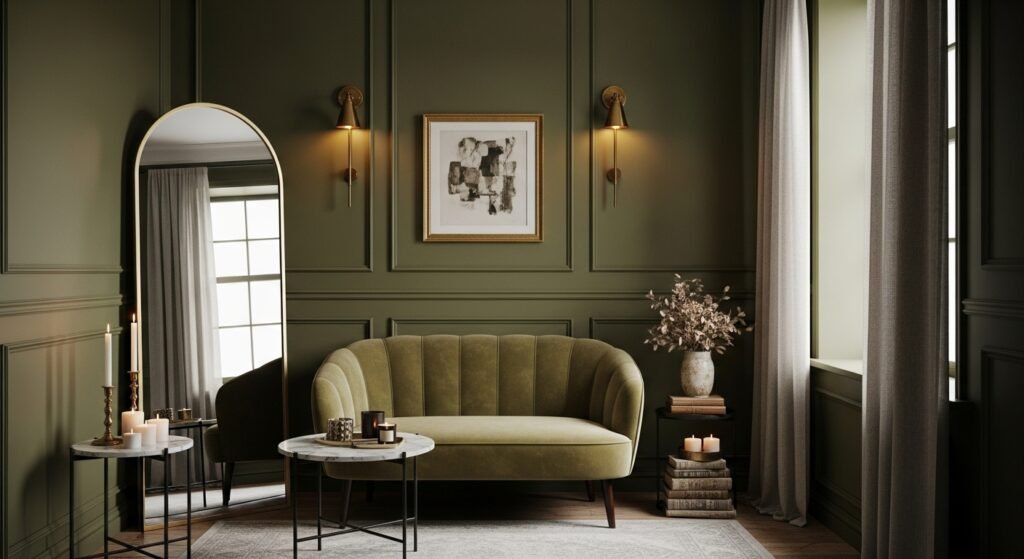
2. Invest in a Multi-functional Murphy Bed
The Murphy bed remains one of the most effective solutions for transforming a bedroom into a functional daytime living space. Modern designs have evolved far beyond the clunky models of the past, now featuring integrated desks, sofas, or shelving when folded away. This allows a single room to serve as both a high-productivity home office and a comfortable guest suite without the need for additional square footage. By tucking the bed into the wall during the day, you reclaim significant floor space for exercise, hobbies, or movement. It is the ultimate investment for studio dwellers who value a clear distinction between sleeping and living areas without the clutter of a permanent bed frame.
3. Incorporate Large Scale Mirrors
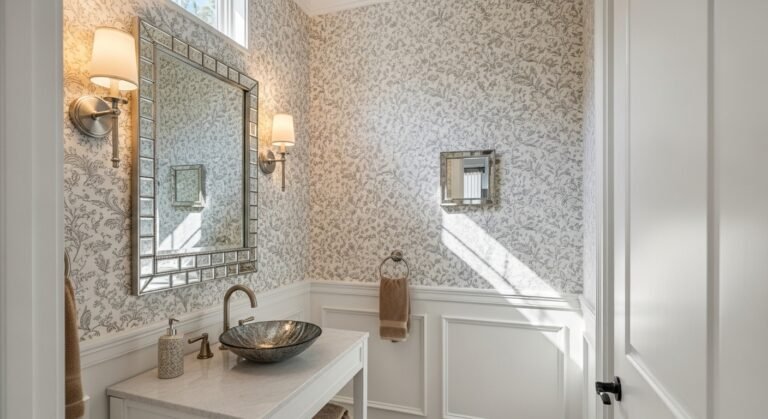
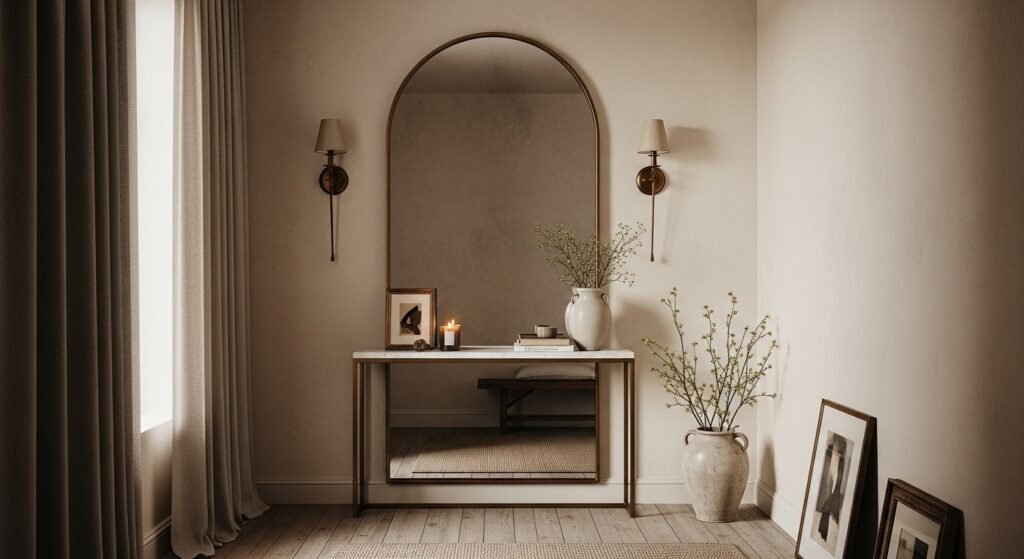
Mirrors are the oldest trick in the interior design book for a reason: they instantly double the perceived size of any room. By placing a large floor-to-ceiling mirror opposite a window, you reflect natural light deeper into the space, making it feel brighter and more expansive. Mirrors break up the solidity of walls and create a ‘window’ effect that tricks the brain into seeing depth where there is none. For the best results, choose a thin, minimalist frame or a frameless design to maintain a contemporary look. This strategy works exceptionally well in narrow hallways or small dining alcoves where light might otherwise be limited, providing a sophisticated and functional decorative element.
4. Opt for Transparent Acrylic Furniture
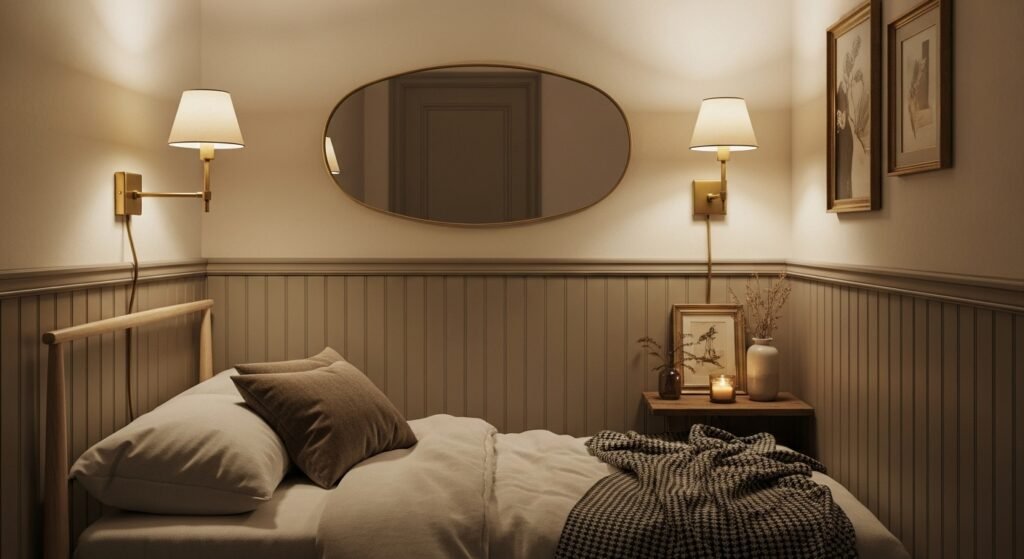
Ghost chairs and acrylic coffee tables are perfect for small rooms because they provide functionality without adding visual weight. Since you can see right through them, they don’t block the line of sight across the room, which helps maintain an open and airy atmosphere. This type of furniture is ideal for tight seating areas or small home offices where traditional wooden or metal pieces might make the space feel crowded and heavy. Acrylic pieces are also incredibly versatile, blending seamlessly with both ultra-modern and traditional decor styles. By choosing ‘invisible’ furniture, you provide the surfaces you need for working or entertaining while keeping the floor plan looking completely unobstructed and light.
5. Install Floating Desks and Vanities
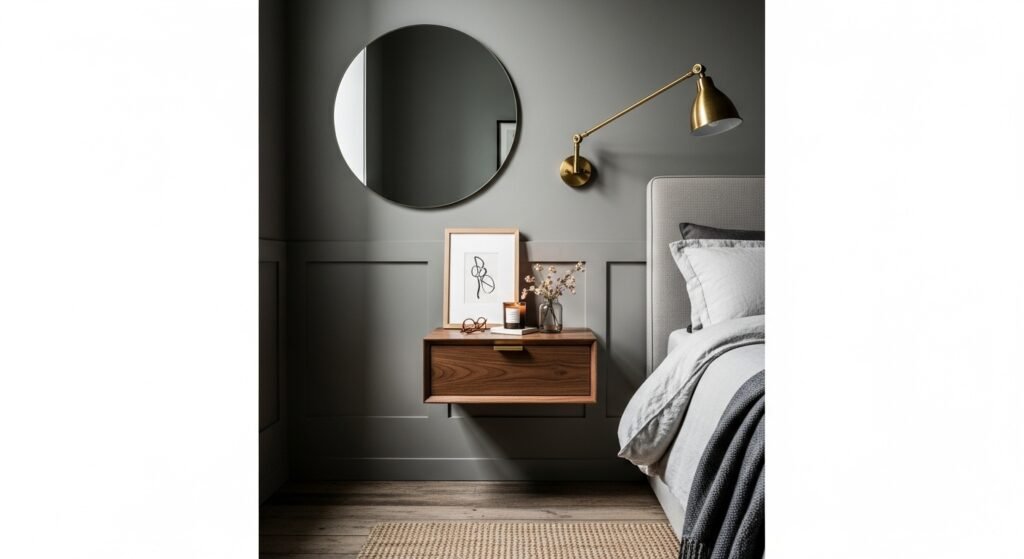
Leggy furniture can often make a small room feel cluttered and busy, but floating pieces solve this by keeping the floor visible. A wall-mounted desk or floating vanity provides a dedicated workspace without the bulky footprint of a traditional table. By leaving the floor underneath clear, the room feels much larger because the flooring continues uninterrupted to the wall. This setup also makes cleaning significantly easier and provides a spot to tuck away a small stool or ottoman when not in use. It is a sleek, modern solution that works perfectly in bedroom corners or as a compact hallway workstation, proving that you don’t need a massive desk to stay productive.
6. Maximize Under-Bed Storage
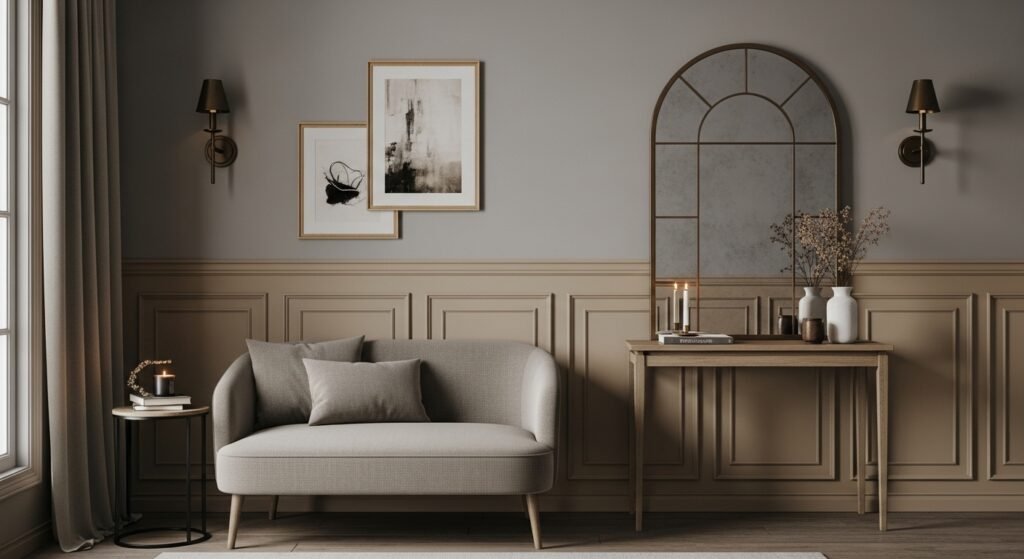
The area beneath your bed is often wasted space that can be transformed into a high-capacity storage zone. Instead of letting dust bunnies collect, use low-profile bins or integrated drawers to store out-of-season clothing, extra linens, or shoes. For those with very limited closet space, a hydraulic lift bed offers the ultimate storage solution by revealing a massive compartment under the mattress. Keeping these items hidden away helps maintain a clutter-free environment, which is essential for making a small room feel peaceful and spacious. By effectively utilizing this ‘secret’ real estate, you can eliminate the need for extra dressers or bulky wardrobes that would otherwise eat up valuable floor area.
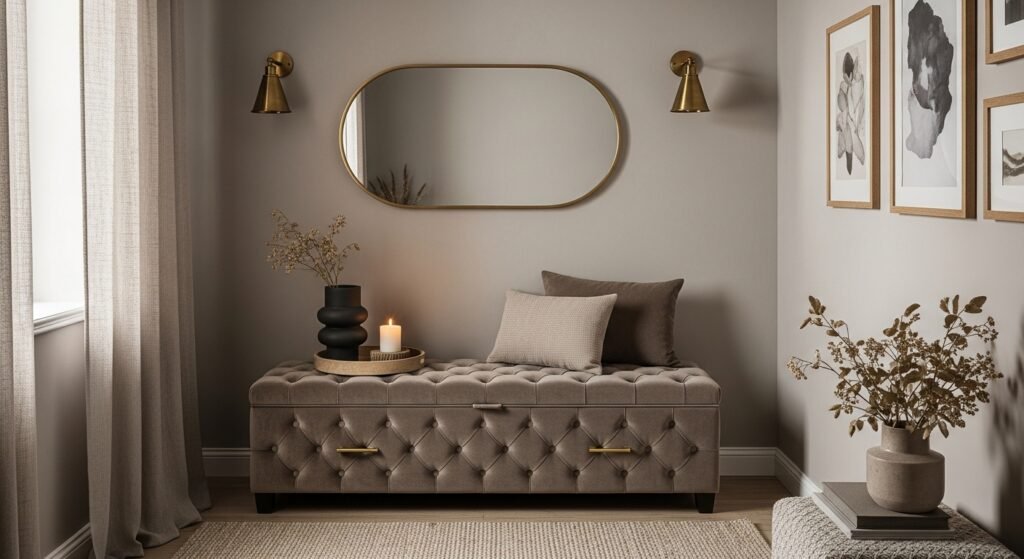
7. Use Sliding Barn Doors or Pocket Doors
Traditional swinging doors require a significant amount of clearance, which can be a major disadvantage in a tight space. Replacing standard doors with sliding barn doors or pocket doors saves valuable square footage that can be used for furniture placement or easier movement. Pocket doors disappear entirely into the wall, providing the cleanest look, while barn doors add a stylish architectural element to the room. This change allows you to place a chair or a storage unit right next to the doorway without worrying about a swinging door hitting it. It is a practical architectural upgrade that drastically improves the flow and usability of small apartments and ensuite bathrooms.
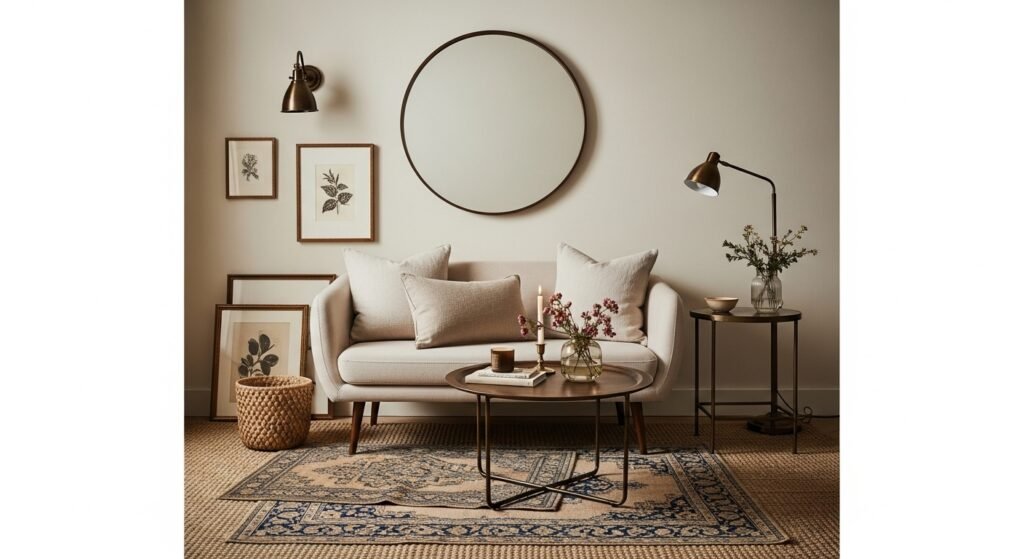
8. Select a Monochromatic Color Palette
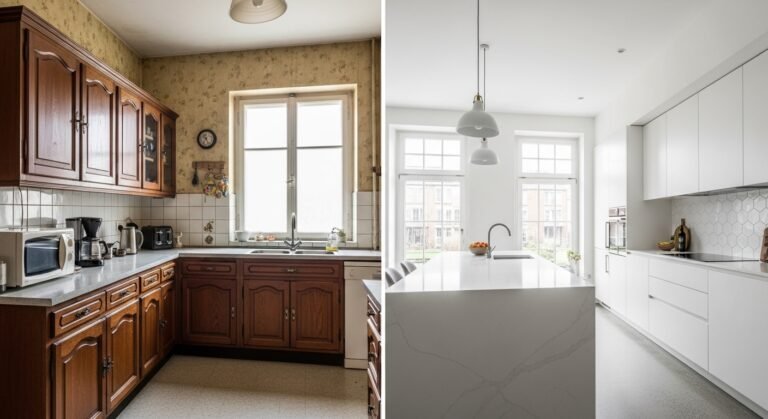
Color plays a massive role in how we perceive the boundaries of a room. Using a monochromatic palette, particularly in light shades like off-white, soft grey, or pale beige, blurs the edges between walls and ceilings. When the walls, trim, and furniture are all in similar tones, the eye moves smoothly across the space without being jarred by high-contrast interruptions. This visual continuity makes the room feel unified and significantly larger than it actually is. You can add depth through textures—think linen curtains, wool rugs, and velvet pillows—rather than contrasting colors. This sophisticated approach creates a serene, expansive environment that feels intentionally designed rather than just ‘small’.
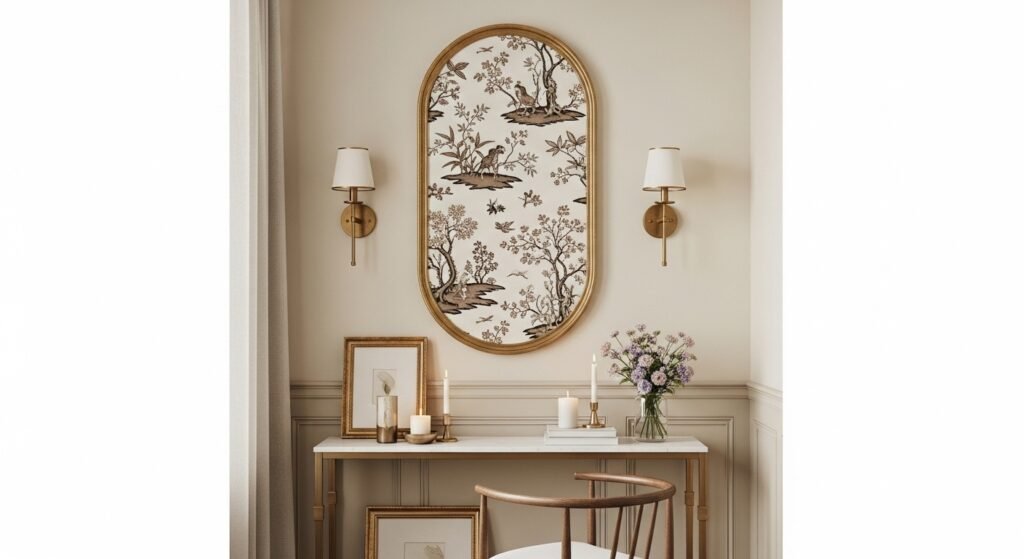
9. Hang Curtains High and Wide
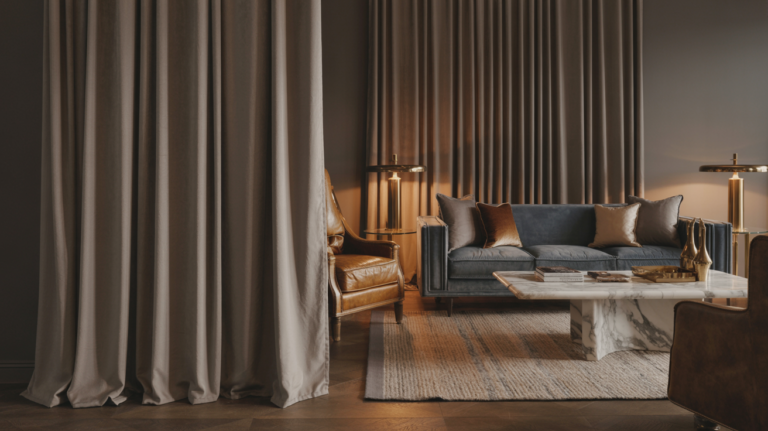
A common mistake in small rooms is hanging curtain rods directly above the window frame. To make your ceilings look taller and your windows look larger, mount your curtain rods just below the ceiling line and extend them several inches past the window’s width. This allows the fabric to frame the window without blocking the glass, maximizing the amount of natural light entering the room. Long, flowing drapes that touch the floor create a strong vertical line that draws the eye upward, giving the illusion of a grander space. Opt for sheer fabrics to keep the light soft and airy, or match the curtain color to the walls for a seamless, expansive aesthetic.
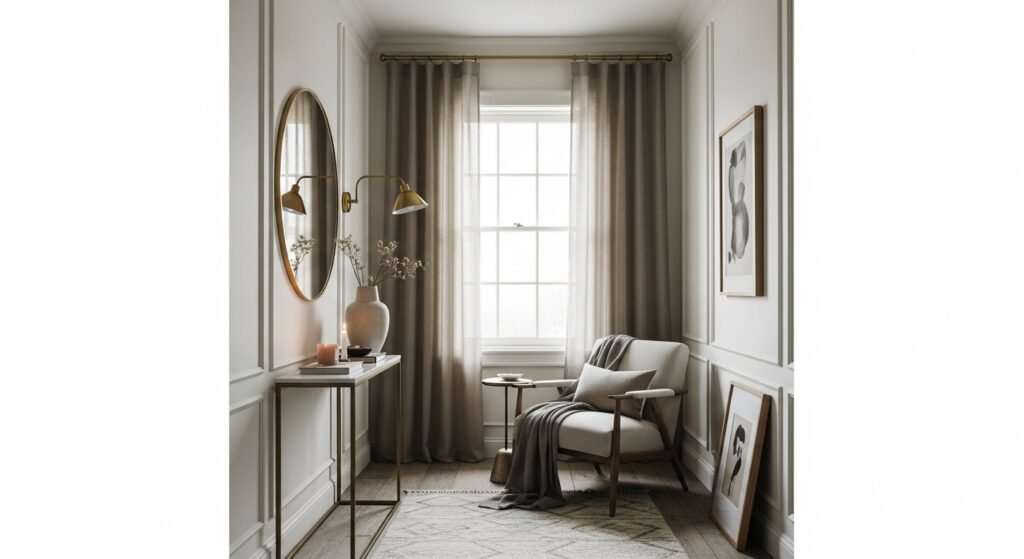
10. Incorporate Multi-functional Ottomans
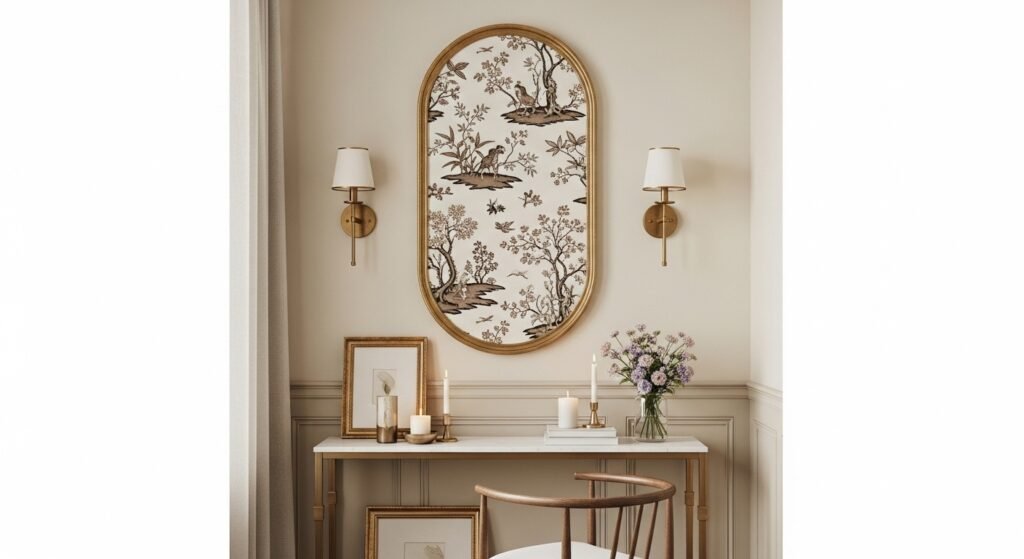
In a small living room, every piece of furniture should ideally serve at least two purposes. A sturdy ottoman can act as a coffee table when topped with a tray, extra seating for guests, and a footrest for relaxation. Many ottomans also come with internal storage, providing a perfect spot to hide remote controls, magazines, or throw blankets. Choosing a round ottoman can also help soften the sharp corners of a small room, making the layout feel more fluid and less rigid. By replacing a traditional, heavy coffee table with a versatile ottoman, you gain flexibility and reduce the visual clutter of multiple specialized pieces of furniture.
11. Utilize Corner Shelving Units
Corners are the most underutilized areas in almost every home. By installing custom corner shelves or purchasing a dedicated corner unit, you can turn a ‘dead zone’ into a functional display or storage area. This is a great way to showcase decorative items, plants, or books without taking up primary wall or floor space. Corner shelves keep the center of the room open, which is vital for maintaining a sense of spaciousness. Whether in a kitchen for spices or a bedroom for personal mementos, these units add architectural interest and utility to an otherwise forgotten space. It is a simple yet effective way to squeeze extra storage out of a tight floor plan.
12. Choose Furniture with Exposed Legs
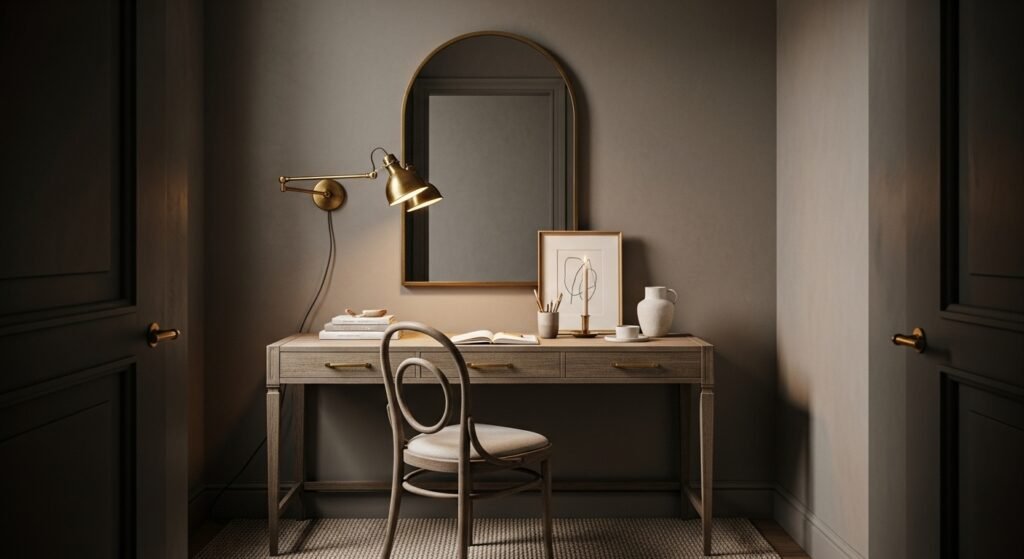
Furniture that sits directly on the floor can act like a visual block, making a small room feel cramped. Instead, choose sofas, chairs, and dressers that feature exposed legs. Seeing the floor continue underneath the furniture creates a sense of openness and allows light to circulate more freely throughout the room. This ‘lifted’ look prevents the space from feeling weighed down and makes even large pieces of furniture appear lighter and less imposing. Mid-century modern styles are particularly good for this, as they often feature tapered legs that provide stability without the bulk. It is a subtle design choice that makes a profound difference in the perceived airiness of a compact living area.
13. Create a Layered Lighting Scheme
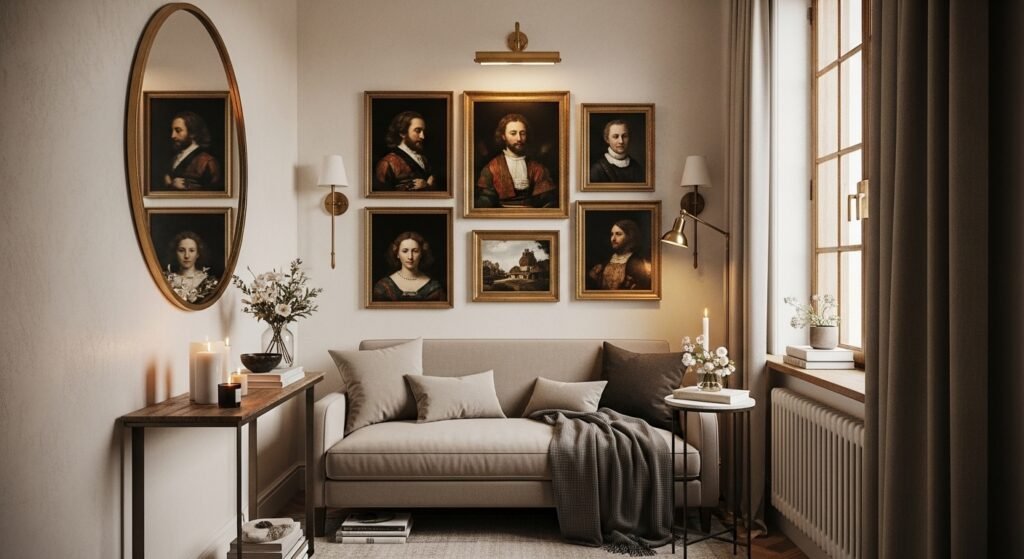
A single overhead light often leaves corners in shadow, making a room feel smaller and more enclosed. To combat this, create a layered lighting scheme using a mix of floor lamps, table lamps, and wall sconces. Lighting up all four corners of a room instantly expands the boundaries of the space. Wall-mounted sconces are particularly useful in small rooms because they provide ambient or task lighting without taking up any surface space on side tables or desks. Use warm-toned bulbs to create an inviting atmosphere and consider dimmers to adjust the mood. Proper lighting is the most effective way to highlight the design of your room while making it feel bright, open, and professionally curated.
14. Use Large Scale Rugs
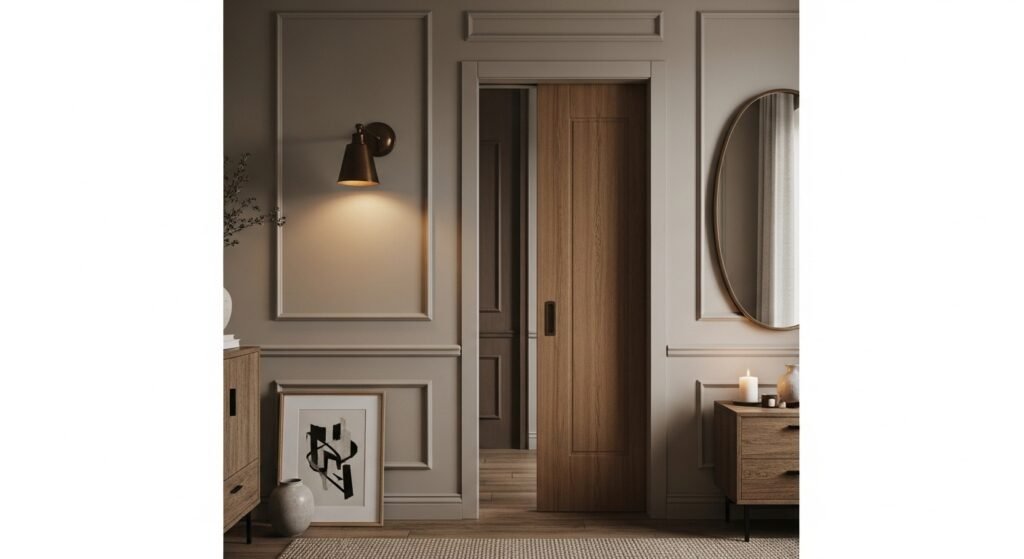
It might seem counterintuitive, but a small rug in a small room actually makes the space feel tinier and more fractured. Instead, opt for a large rug that covers most of the floor and extends under all the furniture. This creates a unified ‘zone’ and draws the eye to the perimeter of the room, making the floor area appear much larger. A rug that is too small looks like a ‘floating island’ and breaks up the visual flow, whereas a large rug provides a solid foundation that anchors the room’s design. Choose light colors or subtle, low-contrast patterns to avoid overwhelming the space. This simple swap can completely change the scale and comfort level of your living or bedroom area.