25 Warm Living Room Layouts That Feel Like Home
There’s something alchemical about a living room that wraps around you like cashmere—the kind of space where lamplight pools in amber puddles, where every texture invites touch, and where the architecture itself seems to exhale warmth. These aren’t the stark, gallery-white interiors that photograph well but live cold. These are warm living room layouts designed for lingering: for Sunday mornings with coffee gone cold, for conversations that stretch past midnight, for the quiet satisfaction of a space that knows you. In this collection, we explore 25 living room layouts that prioritize comfort without sacrificing sophistication—spaces where jewel-toned velvets meet time-worn leather, where strategic lighting creates pockets of intimacy, and where every arrangement whispers stay awhile. Whether you’re drawn to the moody romance of Victorian layering or the grounded calm of organic modernism, these layouts prove that warmth is both a feeling and a design strategy.
1. The Fireside Conversation Circle
Where every seat has a story to tell
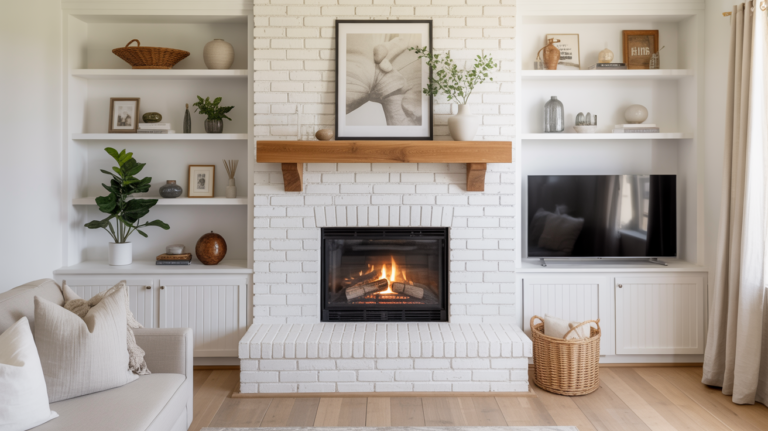
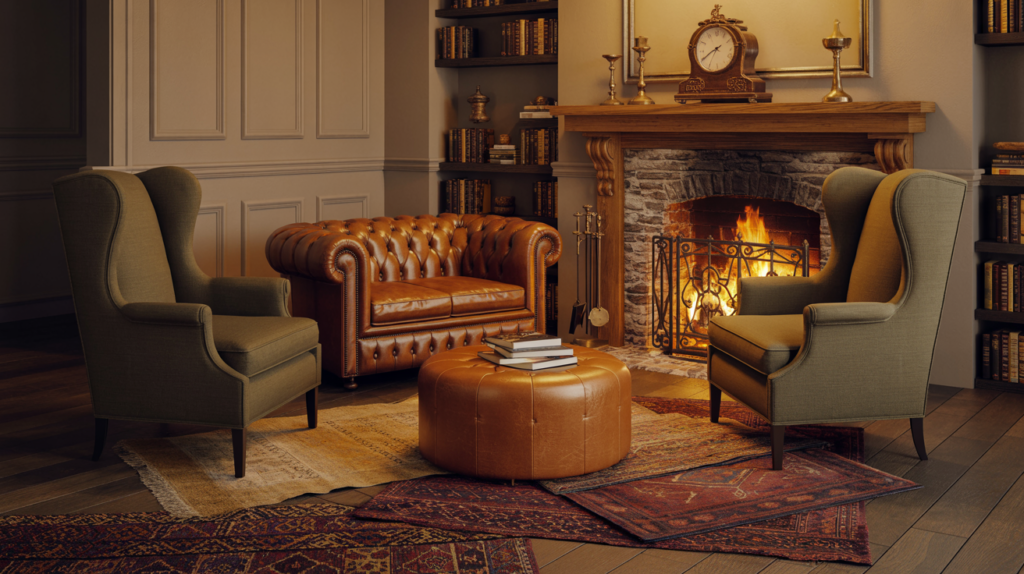
The fireside conversation circle remains the most timeless of warm living room layouts—an arrangement where seating orbits a working fireplace like planets around the sun. This configuration works because it creates natural sightlines without awkward neck-craning, encouraging genuine connection over passive entertainment. Position a substantial sofa perpendicular to the hearth, flanked by two generous armchairs angled inward at 15 degrees. The key is maintaining a conversational distance of 8–10 feet across the circle—close enough for intimacy, spacious enough to breathe. Layer in an oversized ottoman as flexible seating or footrest, anchored by a vintage kilim that echoes the fire’s warmth. The architecture does the heavy lifting here; you’re simply honoring it with furniture that bows toward the flame. Styling Tip: Install picture lights above the mantel to create secondary ambient glow when the fire isn’t lit, maintaining the room’s magnetic center year-round.
2. Layered Sectional Corner with Reading Nook
Maximum comfort, minimum square footage
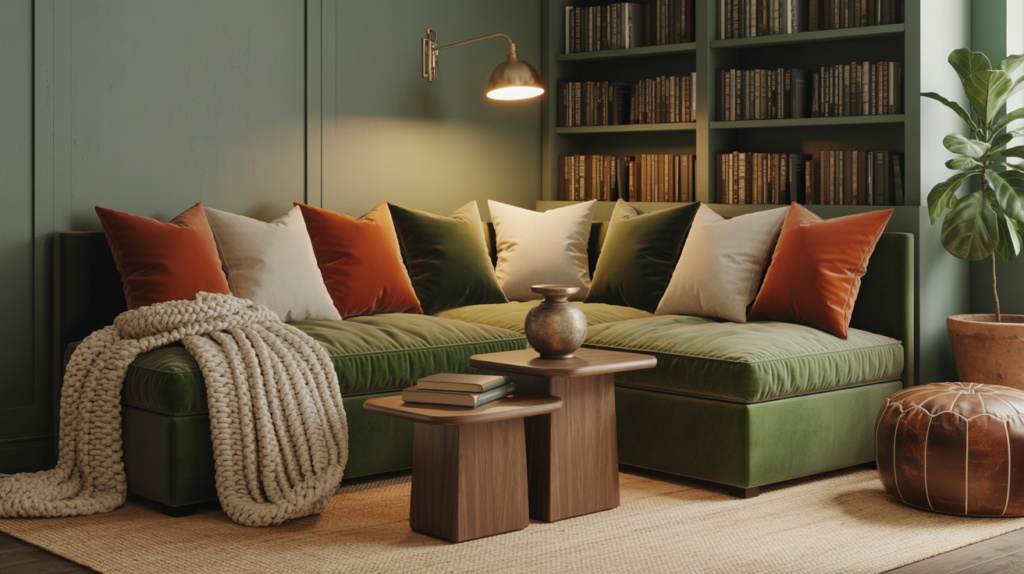
The sectional corner layout transforms awkward architecture into asset, particularly in smaller living rooms where space is precious. Choose a deep-seated sectional in performance linen or velvet (think: moss green, charcoal, or warm taupe) and nestle it into the room’s natural corner, creating an L-shaped embrace. The magic happens in the layering: seven to nine pillows in varying scales and textures (lumbar, Euro, decorative), a chunky knit throw draped just-so, and a nesting side table for perpetual coffee cups. Extend the seating zone with a low-slung leather pouf that doubles as footrest and extra seating. This warm living room layout feels like a hug because it quite literally surrounds you. Styling Tip: Install a swing-arm sconce above one end of the sectional to carve out a dedicated reading nook without sacrificing floor space to a standing lamp.
3. Symmetrical Twin Sofa Layout
Formal balance meets lived-in luxury
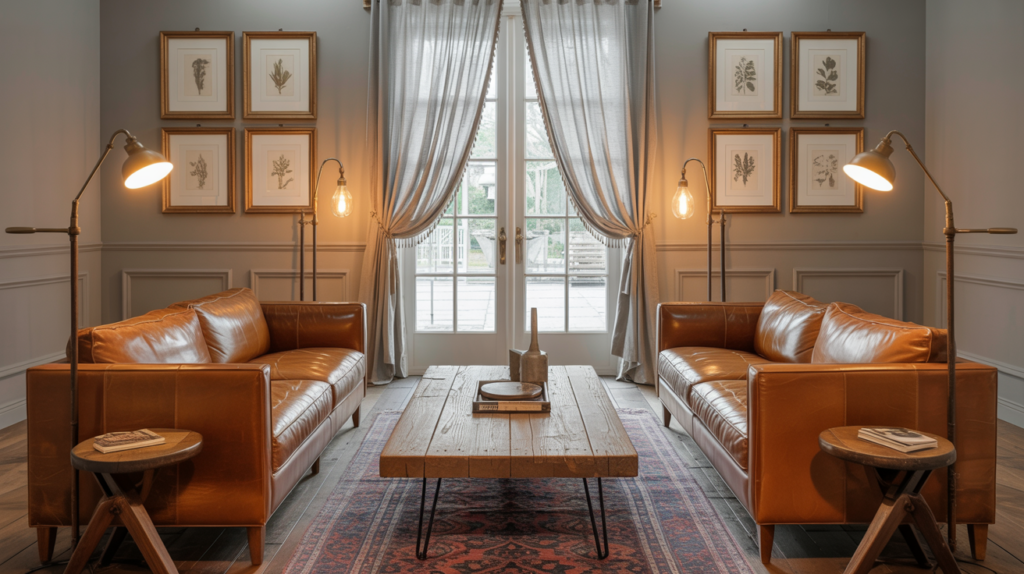
Nothing signals intentional design quite like the symmetrical twin sofa layout—a configuration borrowed from English manor houses and Parisian salons. Two identical sofas (or near-identical, if you prefer the collected-over-time look) face each other across a commanding coffee table, creating a formal axis that grounds the entire room. This works beautifully in longer, narrower spaces where a single sofa would float awkwardly. Opt for tight-back designs in rich fabrics—cognac leather develops gorgeous patina, while velvet in jewel tones (emerald, sapphire, burgundy) catches light like liquid. Anchor the arrangement with a substantial coffee table in oak, marble, or cane, sized generously enough for styling (books, trays, sculptural objects) without overwhelming the sightlines. Styling Tip: Hang matching sconces centered above each sofa to reinforce the symmetry and provide task lighting for reading.
4. The L-Shaped Media Viewing Haven
Entertainment-forward without sacrificing soul
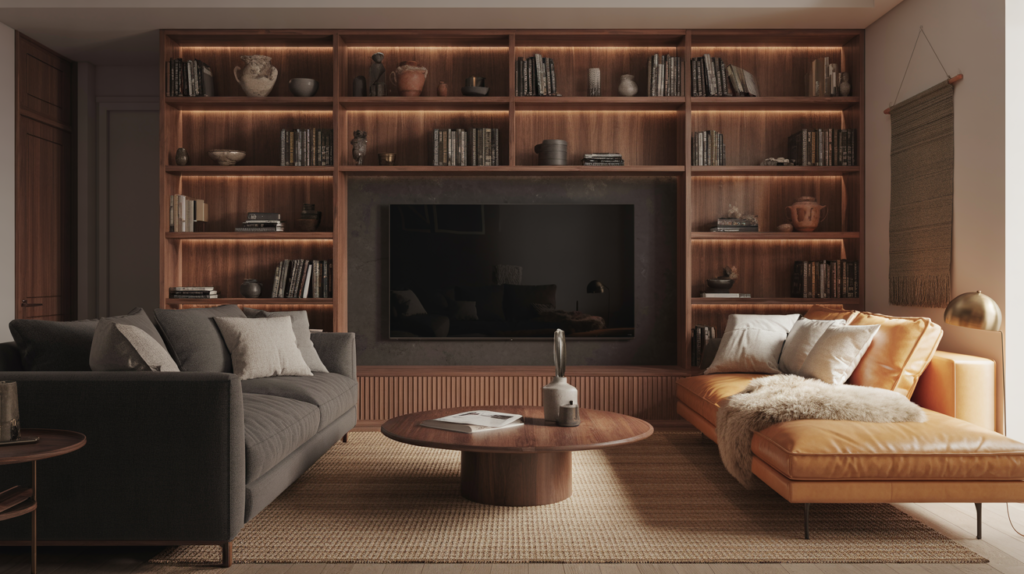
The L-shaped media layout reconciles modern screen-watching habits with the need for warmth and texture. Position a generous sofa facing your media console, then extend the seating zone with a perpendicular loveseat or chaise that creates an L-configuration. This allows flexible viewing angles while maintaining conversational capacity. The trick to keeping this warm living room layout from feeling like a showroom is aggressive layering: pile on the pillows, drape a vintage suzani over the sofa arm, introduce a velvet ottoman for feet-up lounging. Ground the arrangement with a wool area rug large enough to tuck under all front legs. Frame the television with floor-to-ceiling built-ins in a warm wood tone or painted in deep charcoal—this architectural move transforms the screen into intentional design rather than awkward afterthought. Styling Tip: Use dimmable LED strips behind the media console to create ambient backlighting that reduces eye strain and adds atmosphere.
5. Floating Furniture Island Configuration
Break free from the walls
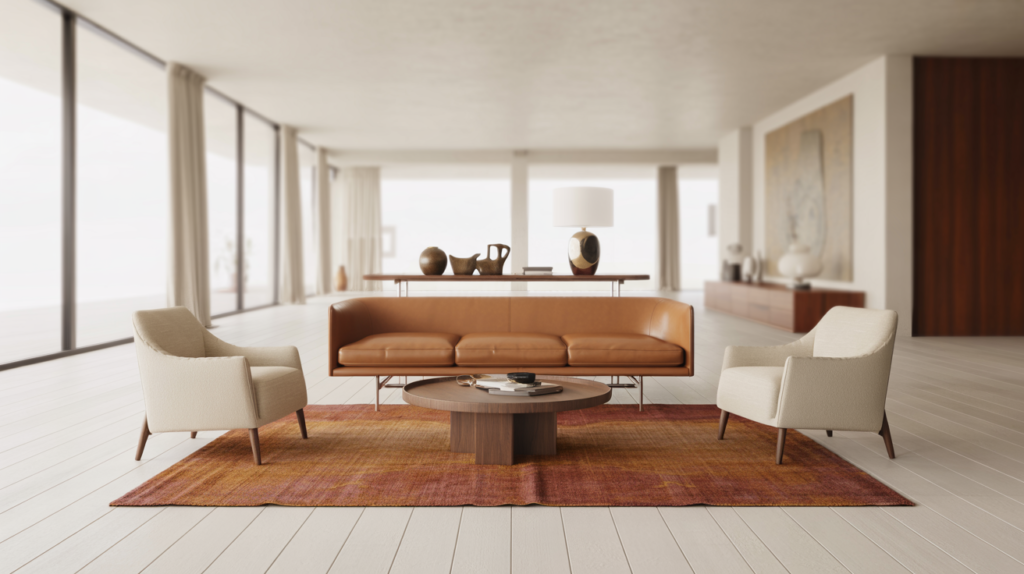
The floating furniture island is perhaps the most misunderstood of warm living room layouts—it requires courage to pull seating away from walls, but the payoff is tremendous. This configuration works best in larger, open-concept spaces where you need to define the living zone without physical barriers. Float a substantial sofa in the middle of the room, backed by a console table (36–40 inches high) that provides visual weight and functional storage. Flank with two armchairs angled toward the sofa, creating a three-sided conversation zone. The fourth side remains open, maintaining flow to adjacent spaces. This arrangement creates circulation pathways around the furniture grouping, making the room feel larger rather than cramped. Styling Tip: Use a large-scale area rug (9×12 or larger) to anchor the floating furniture island and signal the boundaries of the living zone within the larger space.
6. The Bay Window Breakfast Lounge
Where morning light becomes architecture
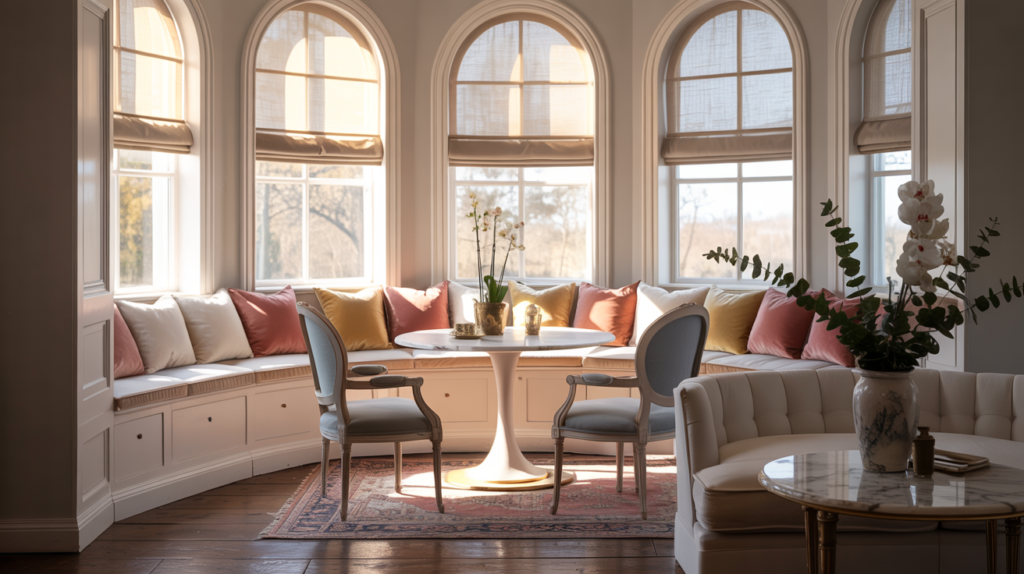
If you’re fortunate enough to have a bay window, treat it as the jewel it is by building your living room layout around it. Position a tight-back sofa perpendicular to the windowed alcove, then fill the bay itself with a built-in cushioned bench or a pair of petite armchairs facing inward. This creates a secondary sitting area bathed in natural light—perfect for morning coffee or afternoon reading. The bay becomes a room within a room, a threshold space that connects interior comfort with exterior views. Layer the window seat with linen cushions and velvet pillows in sun-faded hues (dusty rose, pale gold, weathered blue) that complement rather than compete with the changing daylight. Styling Tip: Install Roman shades in a natural fabric like Belgian linen to diffuse harsh midday sun while maintaining the warmth and texture that makes this warm living room layout so inviting.
7. Multi-Zone Open Concept Layout
One room, three distinct purposes
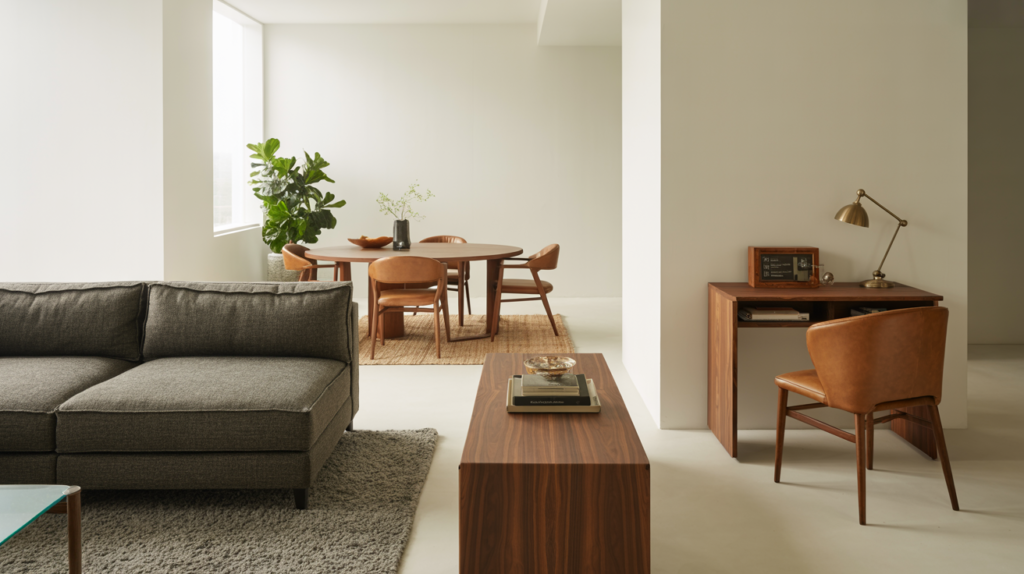
The multi-zone layout addresses the modern challenge of open-concept living: how do you create distinct areas for lounging, dining, and working without walls? The answer lies in strategic furniture placement and visual anchors. Establish your primary seating zone with a sofa and chairs arranged around a coffee table, then use a console table or low bookshelf as a subtle divider between the living and dining areas. A large area rug under the living furniture and a separate rug under the dining table reinforce the zoning. If you’re incorporating a work area, tuck a writing desk against a wall with a beautiful chair that complements (but doesn’t match) your living seating. The coherence comes from repeating materials and tones: if your sofa is charcoal linen, echo it in your dining chairs; if you’ve used brass in your living room lighting, carry it into your desk lamp. Styling Tip: Use varied lighting temperatures across zones—warmer (2700K) for living and dining, slightly cooler (3000K) for work areas—to subtly reinforce functional boundaries.
8. The Library Wall Living Room
For those who live by the book
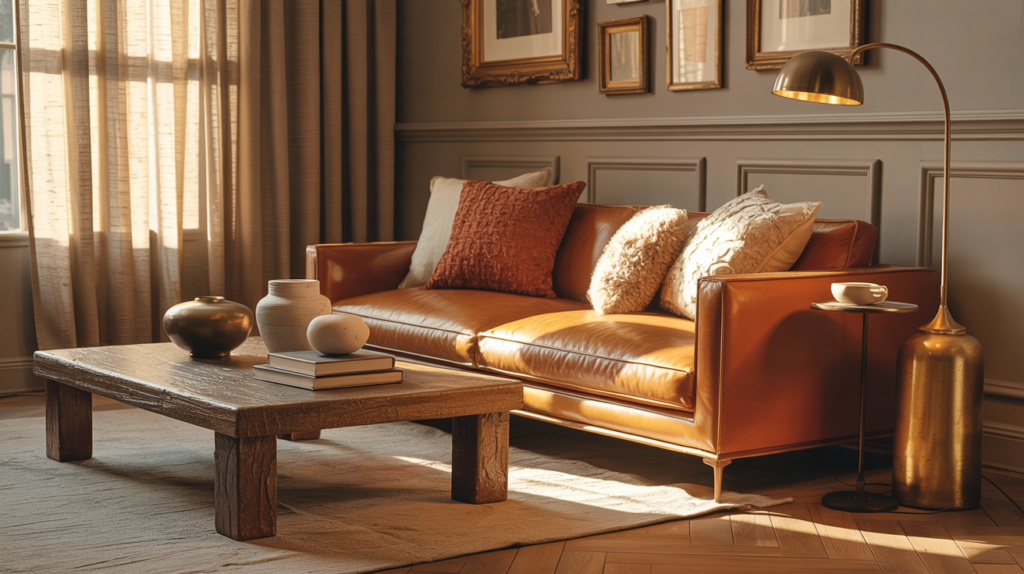
The library wall layout transforms a passion for reading into architectural statement. Build your furniture arrangement around a floor-to-ceiling bookshelf wall—whether built-in or achieved through tall, museum-quality shelving. Position your primary seating (a deep sofa or pair of library chairs) facing or perpendicular to the books, treating the collection as both functional storage and visual focal point. This warm living room layout works because books bring inherent warmth: their spines create color and texture, their presence suggests quiet intellectualism and collected time. Style the shelves with intention—group books by color or size, punctuate with sculptural objects, art pieces, and ceramics. Include a rolling library ladder if ceiling height allows, or a sturdy step stool that doubles as sculptural accent. Styling Tip: Install LED strip lighting along the top edge of bookshelves, angled downward to illuminate spines and create dramatic evening ambiance without harsh overhead glare.
9. Low-Profile Floor Seating Sanctuary
Grounded comfort with global influence
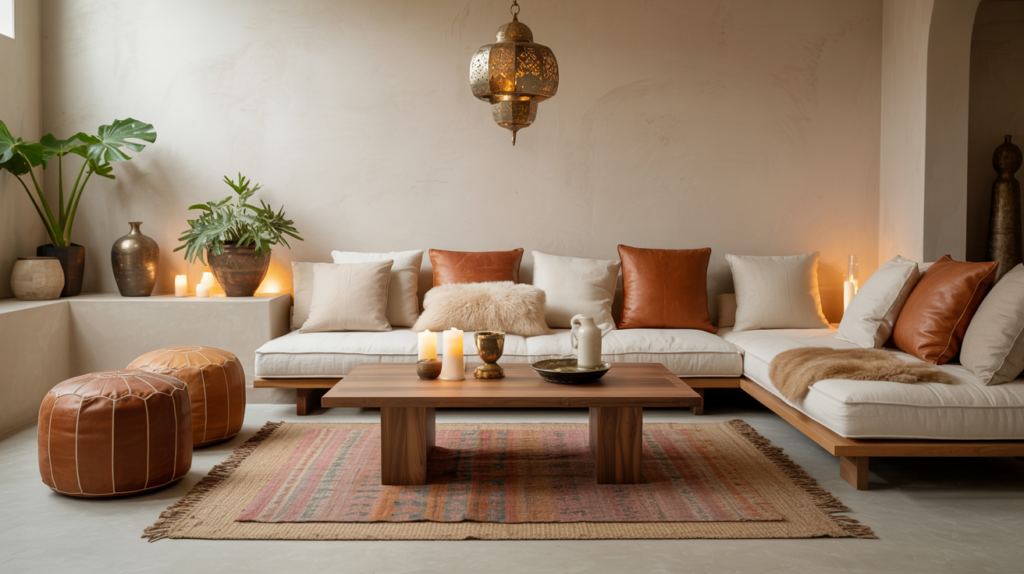
The low-profile floor seating sanctuary borrows from Japanese, Moroccan, and Scandinavian traditions—cultures that understand the psychological comfort of being close to the ground. Replace conventional sofas with a low-slung platform sofa (no legs, or legs under 6 inches), oversized floor cushions, and poufs arranged around a coffee table that barely clears ankle height. This warm living room layout creates intimacy through its very architecture; everyone sits at eye level, encouraging relaxed conversation. Layer texture aggressively: sheepskin over the platform sofa, vintage kilim pillows, hand-woven jute rug, linen drapes that puddle on the floor. The room should feel collected rather than curated, with textiles from different traditions conversing rather than matching. Styling Tip: Hang pendant lighting low (60–66 inches from floor) to bring the light source down to your lowered sightline, creating cocoon-like atmosphere in the evening.
10. The Chesterfield Club Room
Masculine elegance, universally appealing
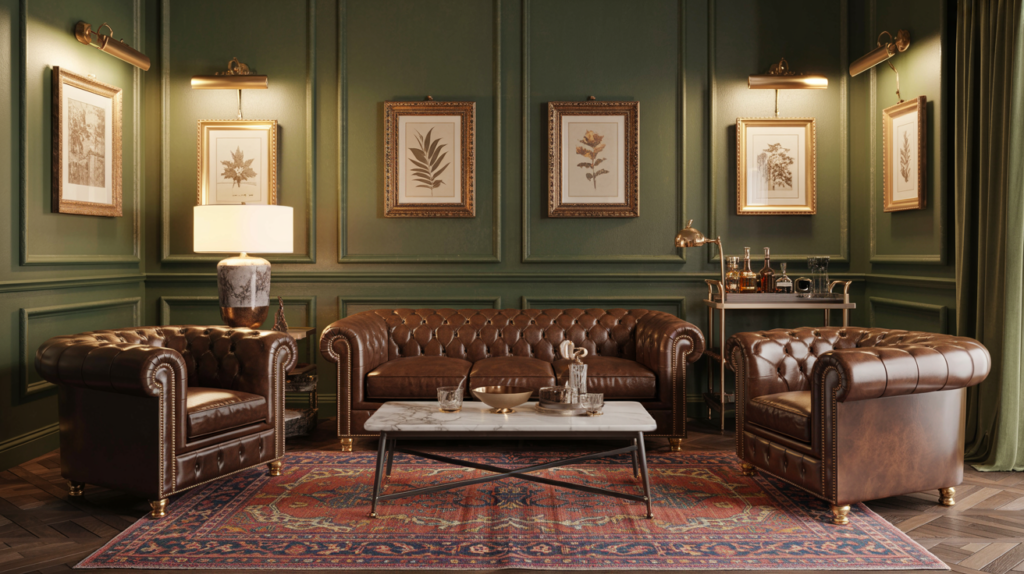
The Chesterfield club room layout channels the moody glamour of London gentlemen’s clubs and speakeasy-era lounges. Anchor the space with a deep-buttoned Chesterfield sofa in leather (traditional) or velvet (contemporary twist) and flank it with matching club chairs in complementary upholstery. The arrangement should feel slightly formal, slightly rebellious—think: straight lines softened by luxurious materials. A substantial coffee table in dark wood, marble, or blackened steel grounds the arrangement. This layout demands drama in the details: picture lighting above framed vintage maps or botanical prints, a bar cart in unlacquered brass and smoked glass, a Persian rug in deep crimson and navy. Styling Tip: Paint the walls in a moody mid-tone (charcoal, forest green, or deep burgundy) to create the enveloping, jewel-box atmosphere that makes this warm living room layout so intoxicating.
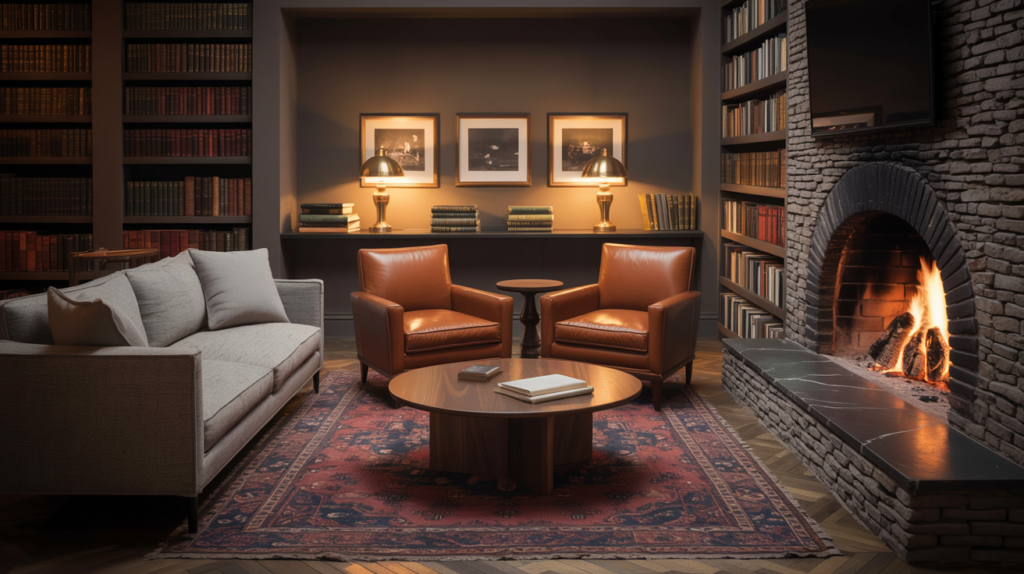
11. Corner Fireplace Anchor Layout
Making the most of diagonal architecture
Corner fireplaces present a unique design challenge—and opportunity. Rather than fighting the diagonal orientation, lean into it by arranging your seating in a gentle arc that echoes the fireplace’s angle. Position your primary sofa perpendicular to one wall, angled slightly toward the corner hearth, then place two chairs on the opposite side forming a soft U-shape. This creates sightlines to both the fire and fellow conversationalists without awkward twisting. The corner location frees up two adjacent walls for bookshelves, gallery art, or windows—architectural bonuses you’d lose with a centered fireplace. Styling Tip: Float a narrow console table behind the sofa to provide visual weight and balance the corner fireplace’s pull, styling it with lamps, books, and sculptural objects that create a secondary focal point.
12. The Vintage Parlor Arrangement
Collected charm, deliberately imperfect
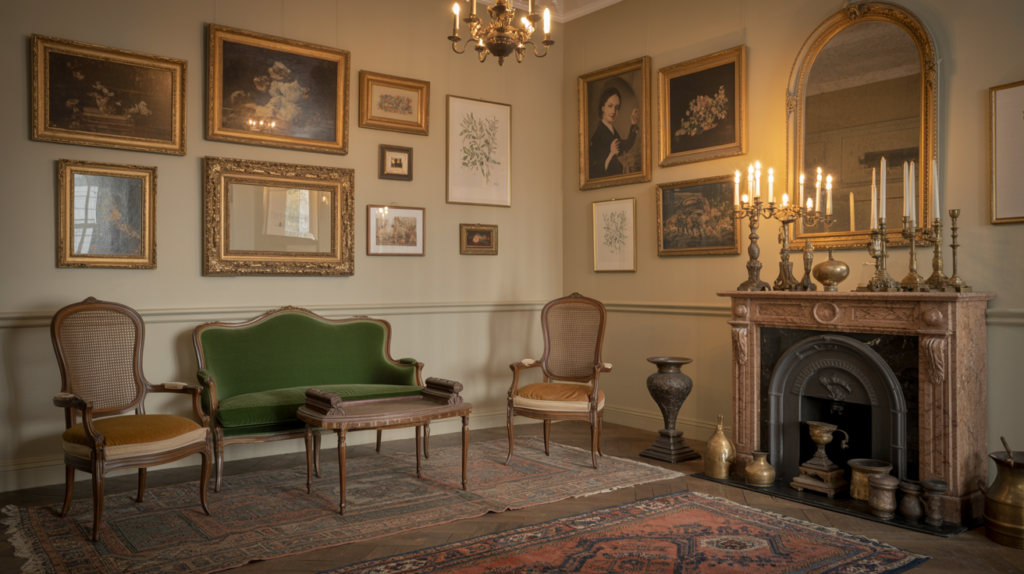
The vintage parlor arrangement rejects matchy-matchy modernism in favor of collected-over-time eclecticism. Source seating from different eras and styles—a Victorian settee reupholstered in velvet, a pair of Danish modern armchairs, a cane-back bergère—and arrange them in conversational groupings that feel organic rather than forced. The unifying thread is quality and patina: each piece should have substance, history, and a story. This warm living room layout works because it feels personal, like you’ve inherited pieces from interesting relatives and woven them into your own narrative. Layer in antique rugs (don’t worry if they’re worn—that’s character), vintage brass lighting, and collections displayed on open shelving or mantels. Styling Tip: Limit your color palette to three main tones (e.g., cream, forest green, terracotta) while allowing wood tones and metal finishes to vary wildly—this creates visual cohesion without sacrificing the collected aesthetic.
13. Modular Sofa Adaptable Layout
Flexibility without sacrificing comfort
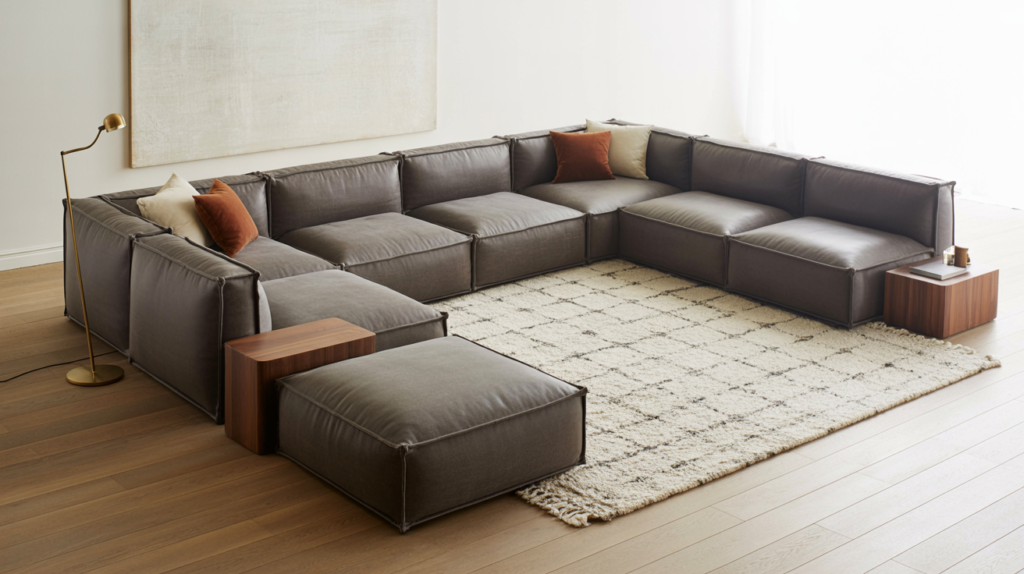
The modular sofa layout is the answer for those whose lives and hosting needs shift seasonally. Invest in a high-quality modular system with individual sections (armless chairs, corner pieces, ottomans) that can be rearranged for different occasions: a straight sofa for daily life, an L-shape for movie night, a U-shape for parties, separate seating clusters for intimate gatherings. The key is choosing upholstery that hides the modularity—performance fabrics in solid colors (charcoal, camel, sage) read as intentional design rather than furniture-store pragmatism. Anchor the arrangement with a large area rug that accommodates various configurations and layer in fixed elements (side tables, floor lamps, art) that remain constant as the seating shifts. Styling Tip: Invest in beautiful connectors or opt for systems with hidden hardware—visible clips and brackets kill the sophisticated vibe you’re after in this warm living room layout.
14. The Sunken Living Room Revival
1970s drama, 2026 comfort
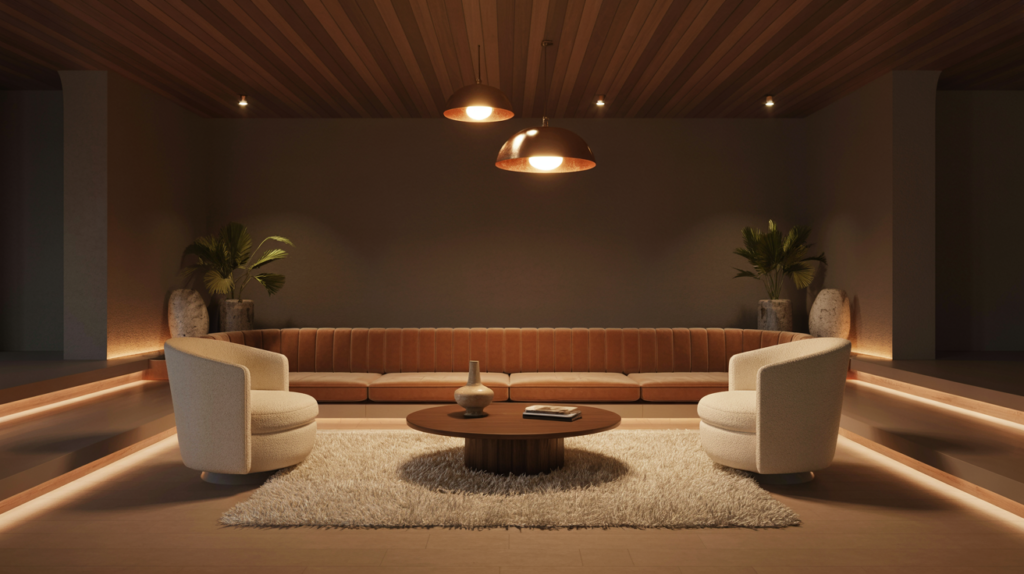
The sunken living room—that audacious architectural move from the ’70s—is experiencing a deserved renaissance. If you’re lucky enough to have one, treat it as the conversation pit it was designed to be. Arrange seating around all four sides of the sunken area: a long sofa along one wall, built-in banquettes or individual chairs along the others. The lowered floor creates automatic intimacy and drama; your job is to enhance it with luxurious upholstery (velvet, mohair, bouclé), plush pillows, and lighting that emphasizes the room’s unique geometry. The step-down becomes a psychological threshold—you’re not just entering a seating area, you’re descending into a dedicated space for connection. Styling Tip: Install cove lighting around the perimeter of the sunken area, hidden beneath the upper floor’s edge, to create a glowing halo effect that emphasizes the architectural drama after dark.
Conclusion
The most inviting warm living room layouts share a common thread: they prioritize human comfort and connection over design dogma. Whether you’re drawn to the formal symmetry of twin sofas, the bohemian ease of floor seating, or the moody glamour of a Chesterfield club room, the warmth comes from intentional choices—plush textiles that beg to be touched, lighting that flatters and soothes, arrangements that encourage lingering rather than passing through. These aren’t showroom spaces designed to photograph well and live cold; they’re rooms designed to hold your actual life, in all its beautiful mess. The layout is just the framework; the warmth comes from what you fill it with: inherited rugs with stories stitched into their wear patterns, lighting that creates pools of intimacy, furniture substantial enough to be trusted with your full weight. Build your living room around these principles, and you’ll create a space that doesn’t just look like home—it feels like it, too.