23 Smart House Cleaning Schedules for Modern Homes
A modern home is a jewel-box of light and function—clean lines, quiet tech, edited surfaces. But even the most exquisite space can lose its chiaroscuro charm when laundry blooms like ivy and fingerprints dull the brass. The secret isn’t perfection; it’s cadence. A smart house cleaning schedule for modern homes turns upkeep into atmosphere: small rituals that preserve your finishes, protect your air, and keep every room feeling intentionally styled—like an interior spread where the marble still gleams, the mirrors hold their shine, and the whole place smells faintly of linen and citrus.
The goal is not to scrub your life away. It’s to choose a schedule that matches how you actually live—hybrid work, school runs, dinner guests, late-night streaming—and keep mess from becoming a weekend-consuming saga. Inspired by the rhythm-based approach in this sample schedule format, we’ll elevate it with design-minded, modern-friendly routines you can actually keep.
1. The 10-Minute Nightly “Close the House” Ritual
The quietest schedule is the one you finish before bed.
What it is: a nightly micro-routine that “closes” your home like a boutique hotel—surfaces cleared, sink reset, light scatter softened. Why it works: modern homes spotlight clutter; glossy cabinetry and large-format tile show everything. Ten minutes prevents tomorrow’s mess from inheriting today’s fatigue. How to style it: choose one beautiful tray (aged brass or blackened steel) to catch loose items; swap harsh overheads for warm sconces or a single table lamp while you reset; let a framed Dutch Masters-style still life print lean on the counter to keep your vignette intentional, not sterile. Finish by wiping the kitchen faucet so metal reads like jewelry again.
Styling Tip: Keep one “closing basket” in a console—anything homeless goes in, not on.
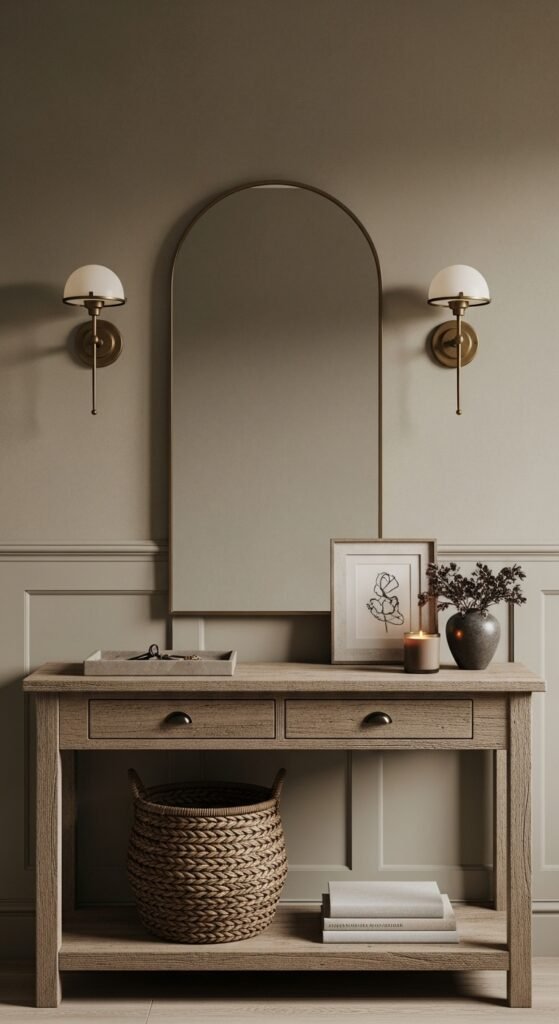
2. The 15-Minute Morning Reset for High-Gloss Calm
Start the day like a magazine shoot: quiet, polished, inevitable.
What it is: a quick morning loop—beds smoothed, counters cleared, a fast wipe on high-touch shine points. Why it works: mornings set the visual baseline; if your home photographs well at 8 a.m., it tends to stay livable by 8 p.m. How to style it: keep microfiber cloths in a discreet drawer pull so you can buff mirrors and faucets without rummaging; choose a softly reflective mirror (arched or pill-shaped) to amplify light without harsh glare; if your walls are crisp white, bring in patina through hardware—aged bronze pulls, brushed nickel, or a single piece of Art Nouveau-inspired brass. Use warm bulbs so “clean” reads as glow, not clinical.
Styling Tip: One scent cue—bergamot or linen—makes the reset feel finished.
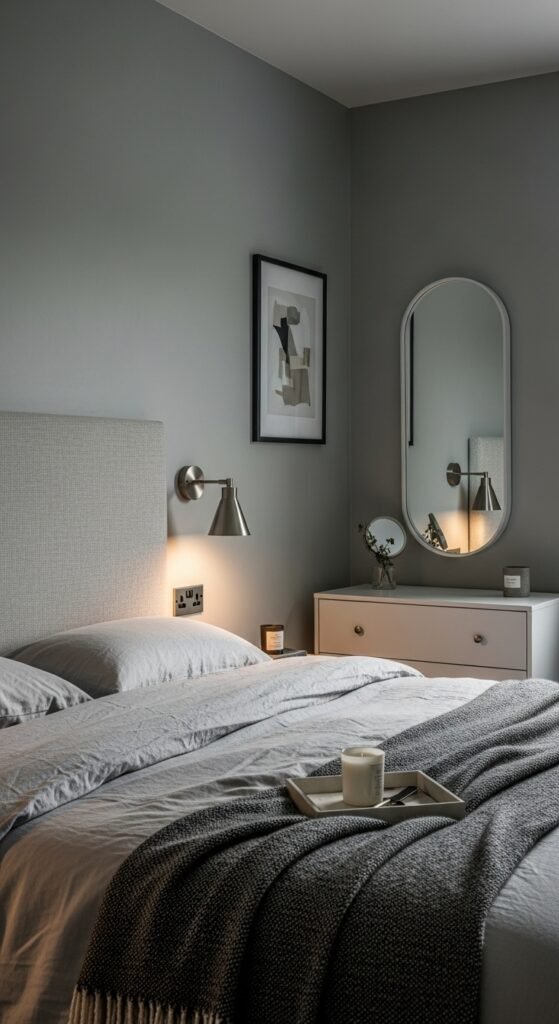
3. The “One Load a Day” Laundry Schedule
Laundry doesn’t need a throne; it needs a rhythm.
What it is: one targeted load per day (whites, darks, towels, sheets), folded the same day. Why it works: it eliminates the Victorian-scale mountain that steals your Sunday and your sanity. How to style it: elevate your laundry zone—add a framed print, swap plastic baskets for woven hampers, and use matching glass jars for detergent and pods. Upgrade hardware: matte black or aged brass pulls make even a utility room feel intentional. Add a small mirror to bounce light, and a sconce if possible—overhead glare makes chores feel harsher than they are. The modern home trick is containment: one lidded hamper per category so sorting is already done.
Styling Tip: Fold beside a lamp, not under ceiling glare—your brain reads it as softer work.
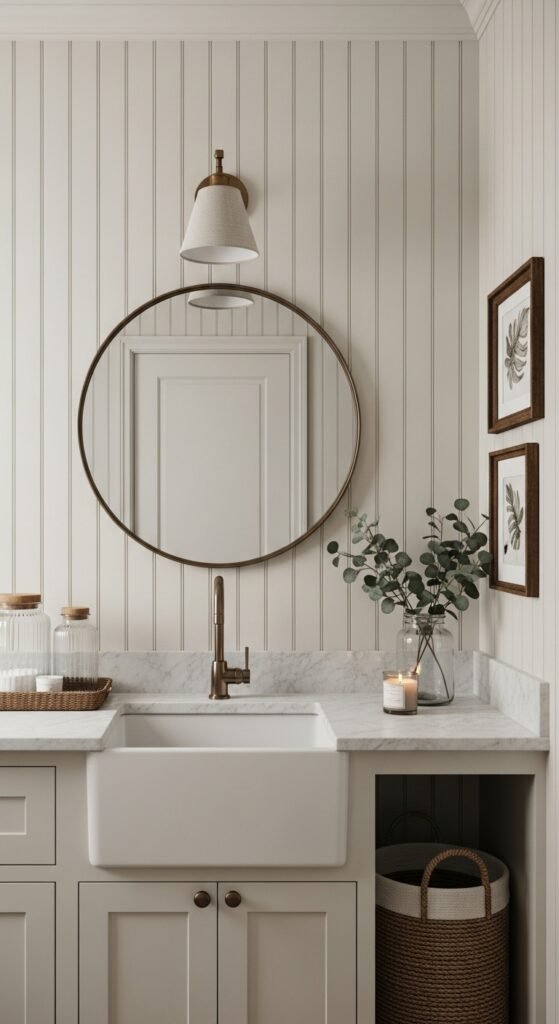
4. The Monday Kitchen Edges Schedule (Backsplash to Baseboards)
The kitchen is the heart—so treat it like a polished gem.
What it is: a weekly kitchen detail day—backsplash, cabinet fronts, appliance handles, sink shine, floor edges. Why it works: modern kitchens collect invisible grime where fingers land: pulls, touchpoints, the shadow line under uppers. How to style it: lean into contrast—inky cabinetry with unlacquered brass feels rich, but it needs buffing to keep the patina charming, not dull. Add under-cabinet lighting to reveal crumbs before they become “mystery texture.” Keep a small marble tray for soaps so the counter stays editorial. If your backsplash is zellige or textured tile, use a soft brush—preserve that artisan surface, don’t scour it into sadness.
Styling Tip: Clean cabinet fronts with the grain of the finish for a streakless sheen.
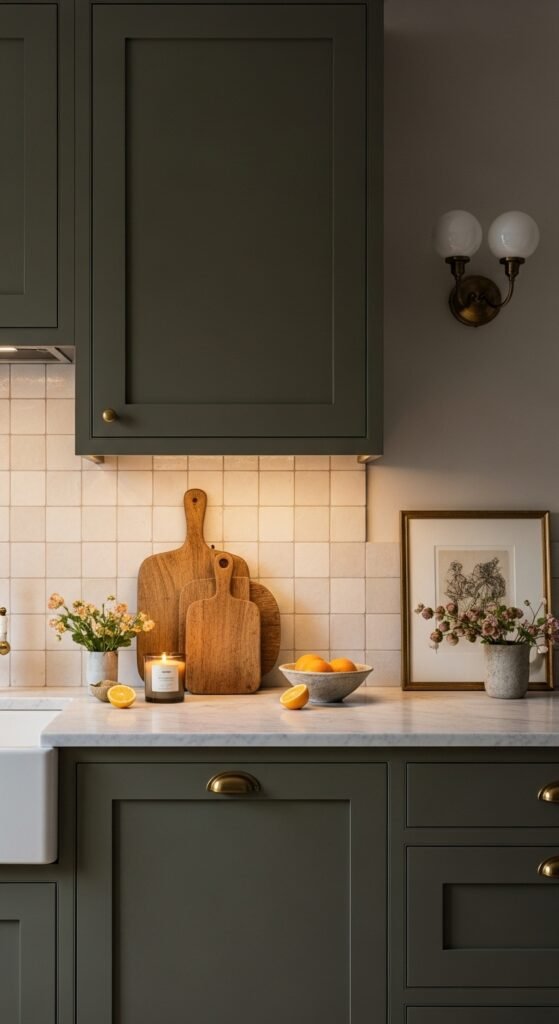
5. The Tuesday Bathroom Spa-Polish Schedule
Five minutes of shine is cheaper than a renovation.
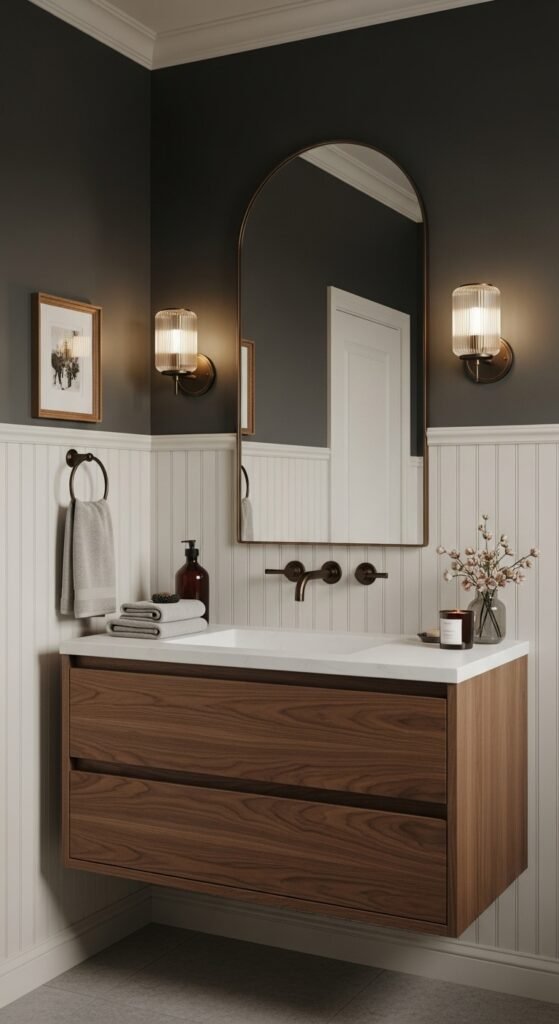
What it is: a weekly bathroom reset—glass, mirror, faucet polish, toilet exterior, quick floor sweep. Why it works: bathrooms reward consistency; soap film builds like a slow fog over your best finishes. How to style it: pick one signature metal (aged bronze or polished nickel) and maintain it with a weekly buff—this is where “clean” becomes “luxury.” Add a small sconce on either side of the mirror (or a picture light above) for flattering, hotel-like glow. If you love Chinoiserie or Damask motifs, keep it subtle: a patterned hand towel or framed print, not busy wallpaper everywhere—steam can be unforgiving. Finish with a tray for perfumes so counters stay serene.
Styling Tip: Squeegee the glass after showers—your future self will love you.
6. The Wednesday Bedroom Linen-and-Dust Schedule
Fresh sheets are the quietest kind of opulence.
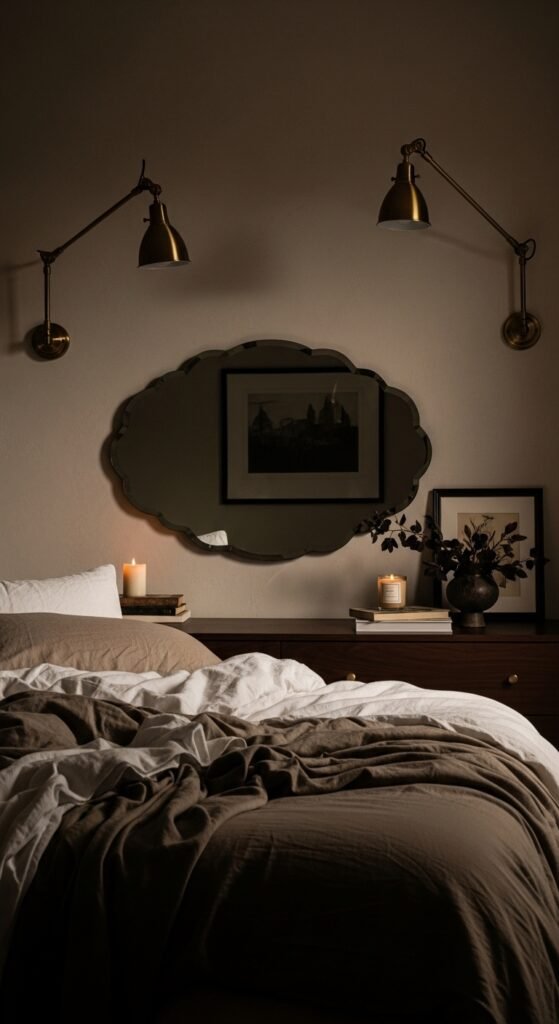
What it is: midweek linens, dust, and floor refresh—especially under-bed zones. Why it works: bedrooms hoard dust in textiles; changing sheets resets sleep quality and the room’s mood. How to style it: choose layered neutrals—ivory, mushroom, smoke—so the room reads calm even when life is loud. Add a vintage-inspired mirror (arched or scalloped for a nod to Art Nouveau) to bounce light and make the space feel larger. Lighting matters: warm bedside sconces make “clean” feel romantic, not antiseptic. Keep a lidded catchall box on the nightstand for tiny clutter—earrings, lip balm, cords.
Styling Tip: Store a spare set of sheets inside the pillowcase—fastest changeover.
7. The Thursday Living Room Gallery Sweep
Where you rest should look like you meant it.
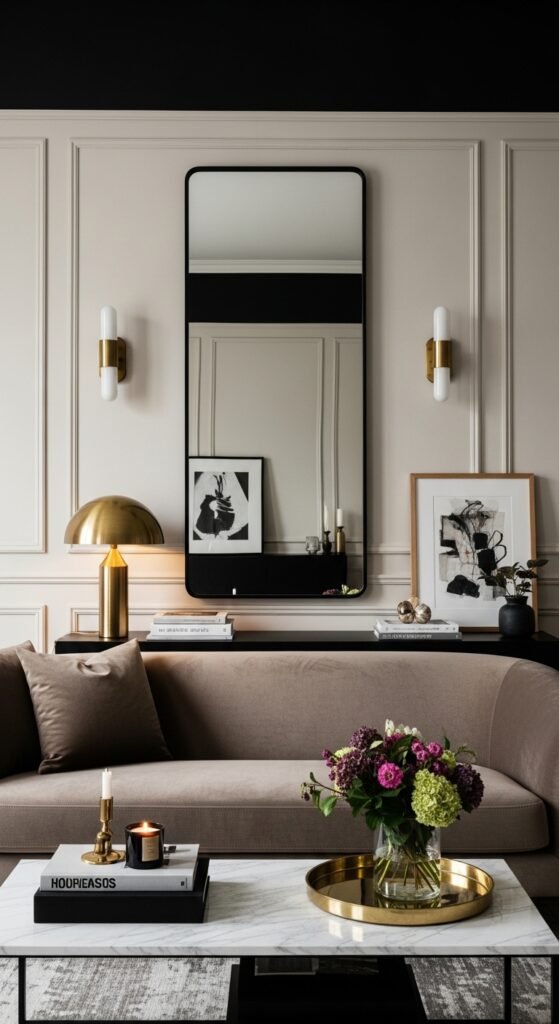
What it is: a weekly living-area polish—dust shelves, wipe remotes, plump cushions, reset throws, quick vacuum. Why it works: modern living rooms are open-concept stages; small disorder reads louder. How to style it: treat your coffee table like a Dutch Masters still life—one tray, one book stack, one sculptural object, one living element (branchy florals). Add a soft lamp glow; overhead lighting is the enemy of atmosphere. If you have wainscoting or panel molding, run a microfiber cloth along the ledges—dust collects there and dulls the architecture. Choose hardware for built-ins that matches your room’s jewelry: aged brass for warmth, nickel for cool restraint.
Styling Tip: Vacuum in straight lines—your rug will look freshly “groomed.”
8. The Friday Floors-Only Schedule (Weekend-Ready)
Clean floors change the entire emotional temperature of a home.
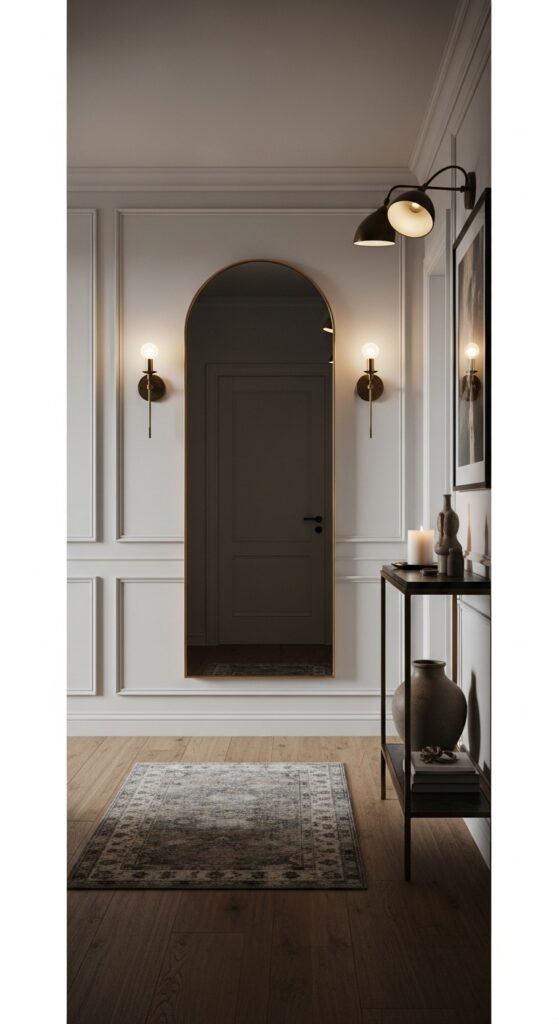
What it is: a dedicated floor day—vacuum everything, mop hard surfaces, detail corners. Why it works: floors carry the evidence of the week; once they’re clean, the whole home feels renewed. How to style it: keep cleaning tools discreet—store your mop and vacuum in a tall cabinet with a beautiful knob; add a slim runner in high-traffic corridors to protect wood and reduce visual dust. In modern homes with large windows, afternoon light exposes everything—schedule floors before golden hour so your home glows, not glares. Aged wood, marble, and matte tile all read richer when free of haze.
Styling Tip: Use two-bucket mopping (clean + rinse) for a truly clear finish.
9. The “Hour of Power” Weekly Batch Schedule
One focused hour beats five scattered half-starts.
What it is: a single weekly time block where you batch similar tasks—dusting, surfaces, bathrooms, floors—in a clean, efficient loop. Why it works: batching reduces decision fatigue; you stay in motion. The sample blog frames this as a weekly “Hour of Power,” and it’s brilliant for modern life because it’s finite and protective of your weekend. Source How to style it: build a chic cleaning caddy (neutral tones, not neon) and store it where you can grab it like a handbag. Add one small ritual—playlist, coffee, a single candle lit in the hallway—so the hour feels like purposeful care, not punishment. Keep microfiber cloths by room so you’re never hunting supplies.
Styling Tip: Move top-to-bottom, left-to-right—like composing a room for a photo.
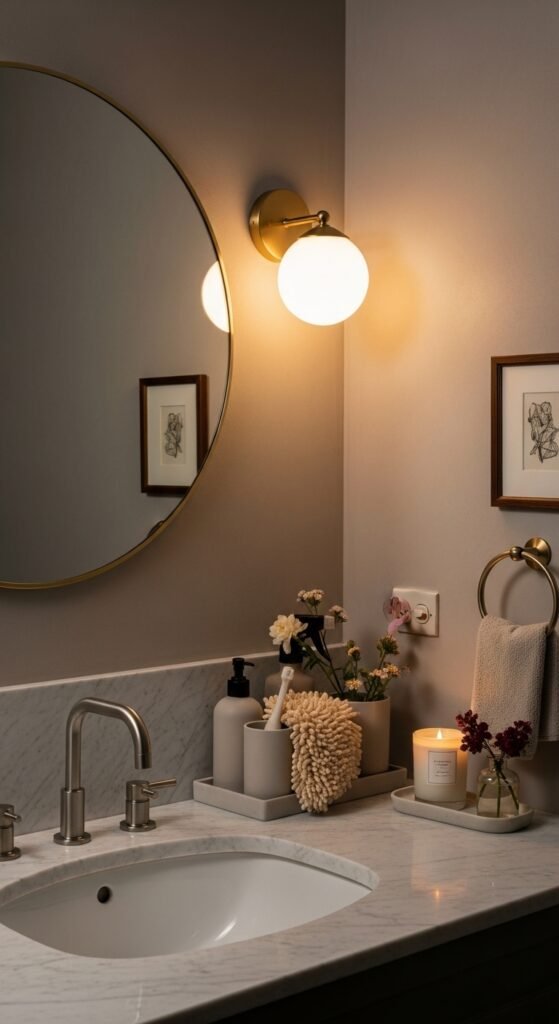
10. The Zone-Cleaning Rotation (Small Home Edition)
Small homes thrive on precision, not punishment.
What it is: assign one micro-zone per day (kitchen today, bathroom tomorrow), keeping sessions short. Why it works: in smaller spaces, clutter is visually amplified, but cleaning also goes faster—so short, frequent wins keep things airy. How to style it: use wall hooks and sleek storage so surfaces stay clear—floating shelves, a single rail, minimal hardware. Mirrors are your ally: an arched mirror can double light and double the perception of space, but it needs a quick weekly polish to stay crisp. Choose paint finishes wisely—eggshell wipes cleaner than dead-flat in high-touch zones while still feeling soft and sophisticated.
Styling Tip: One “drop zone” tray prevents countertop sprawl in tiny kitchens.
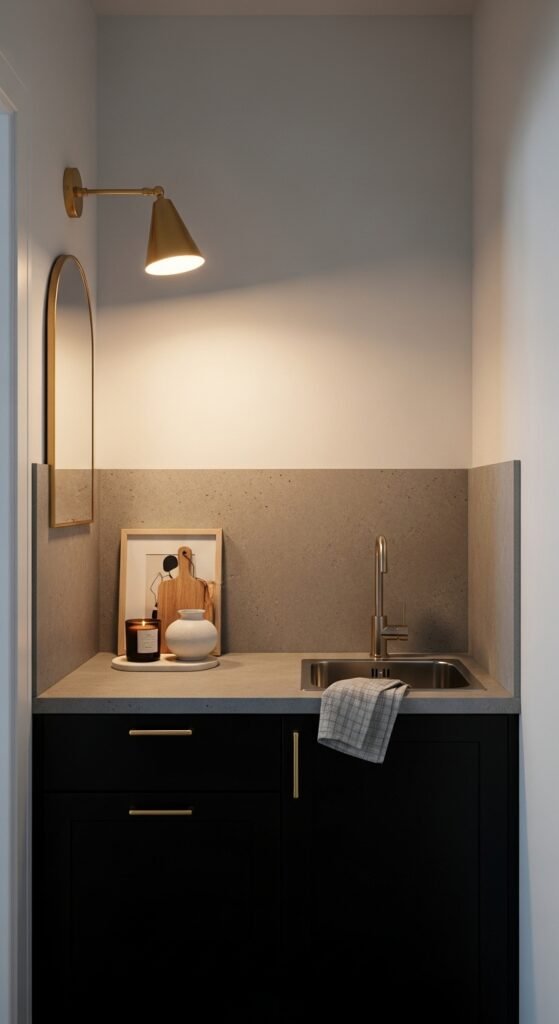
11. The Zone-Cleaning Rotation (Large Home Edition)
Big homes need choreography—otherwise they become museums of mess.
What it is: a rotating schedule by “wings” or floors—upstairs bathrooms one day, main floor living areas another—plus a weekly anchor hour. Why it works: large homes fail when you try to clean everything at once; a rotation keeps standards consistent without burnout. How to style it: create a “floor kit” on each level (discreet cabinet, matching bottles) so you’re not hauling supplies like a traveling troupe. Add lighting layers—sconces in hallways, lamps in corners—so you can spot dust on architectural ledges, crown lines, and wainscoting shelves. In a larger space, the details make the difference between “big” and “grand.”
Styling Tip: Set a timer per zone—stop when it rings, and rotate tomorrow.
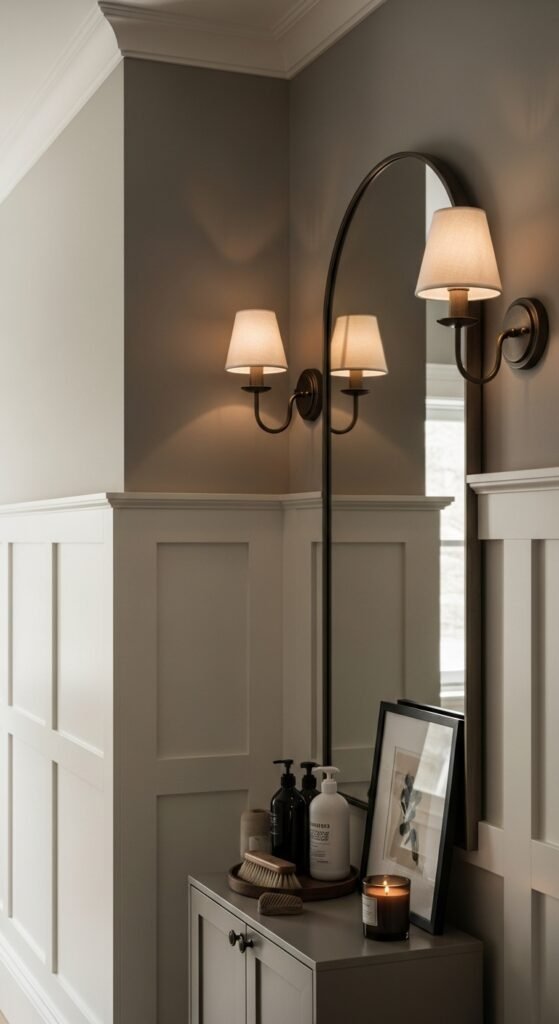
12. The Hosting-Ready 24-Hour Schedule
The day before guests: polish what catches the light.
What it is: a strategic pre-guest routine—entry, powder bath, kitchen surfaces, living room styling, floors. Why it works: guests notice thresholds: what they touch, what they see first, what’s lit. How to style it: swap hand towels for something patterned (a subtle Damask) and add a vintage tray in the powder room for soap and scent; polish your mirror until it reads like glassy water; choose warm lighting (2700K) so your home looks candlelit even without candles. In the living room, edit: fewer objects, stronger silhouettes—like an Art Nouveau curve against modern lines.
Styling Tip: Prioritize the powder bath—it’s small, and it wins hearts fast.
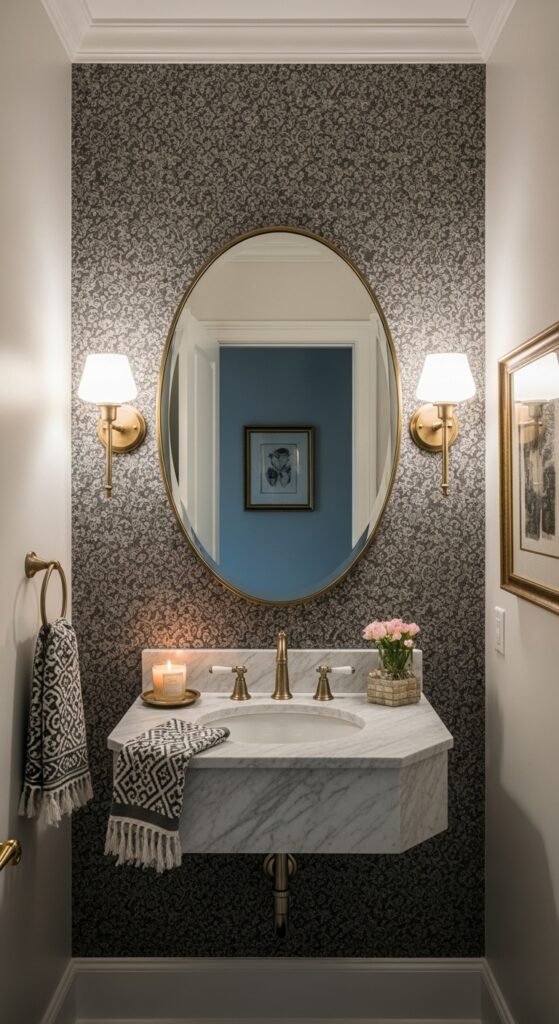
13. The Pet-Hair Containment Schedule
Let the pets stay. Let the fur leave.
What it is: a schedule built around containment—daily quick sweeps, weekly upholstery vacuum, and washable textiles. Why it works: pet hair spreads by air currents and fabric; controlling textiles controls the mess. How to style it: choose performance fabrics (tight weaves) and darker, moody tones that forgive; keep one chic basket for throws so they’re not constantly fur-draped. Add a lint roller in a drawer with a beautiful knob—small but essential. Use a softly lit mirror in the entry to catch fur on clothing before you leave. If you love drama (deep paint, chiaroscuro corners), you can still have it—just keep floors and upholstery on a steady cadence.
Styling Tip: Wash pet blankets weekly—your whole home will smell cleaner instantly.
14. The Monthly “Beyond the Surface” Maintenance Schedule
This is where your home stays expensive-looking.
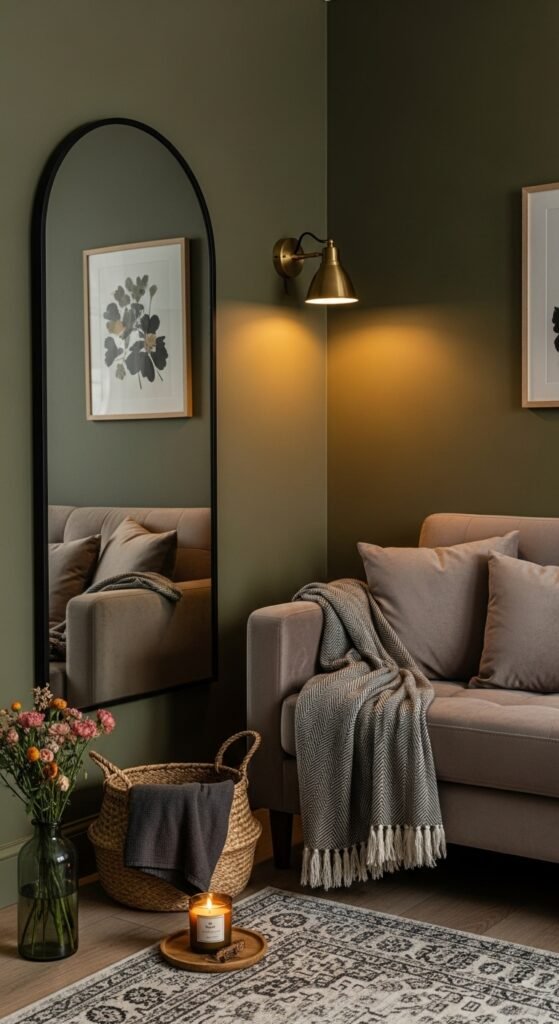
What it is: monthly detail work—baseboards, switches, fan blades, appliance deep clean, filter checks. Why it works: these neglected zones quietly erode the “polished” feeling; once addressed, your home looks brighter, newer, calmer. The sample blog highlights monthly maintenance and seasonal refreshes as the long-game of cleanliness—this is that same spirit, upgraded for modern finishes and busy calendars. Source How to style it: treat baseboards and trim like framing on a painting—clean lines elevate everything. If you have vintage-inspired details (paneling, antique hardware, patina), dusting keeps them intentional instead of tired. Add a small stool and a pretty duster so ceiling corners don’t become gothic in the wrong way.
Styling Tip: Put “filters + vents” on the calendar—clean air is invisible luxury.
Conclusion
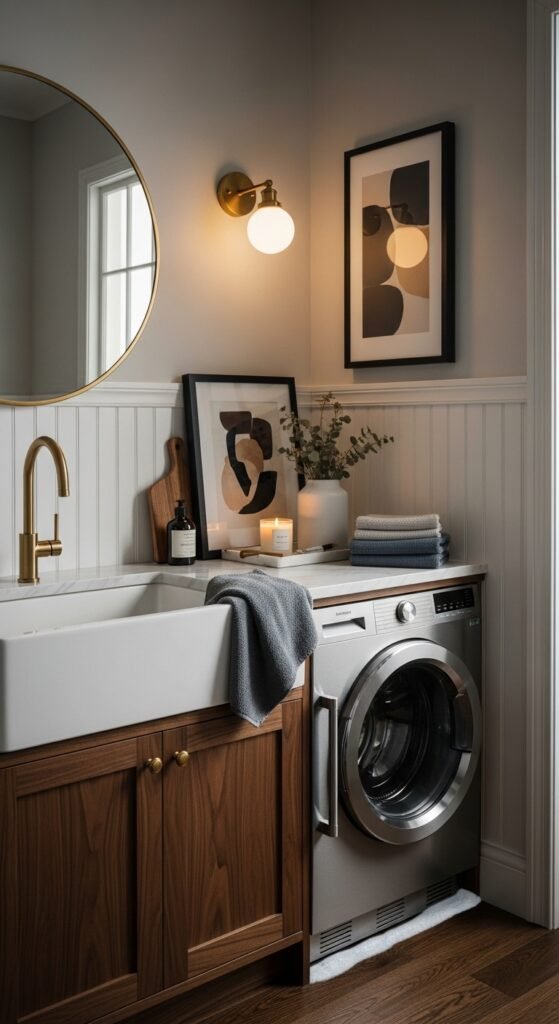
A beautiful modern home isn’t defined by emptiness—it’s defined by intention. The right schedule lets your finishes stay luminous, your air feel lighter, and your rooms hold their shape like a well-cut suit. Whether you choose a nightly “close the house,” a weekly hour of power, or a zone rotation that fits your square footage, the point is the same: protect the atmosphere you worked so hard to create. Let the brass keep its soft patina, let the mirrors stay bright, let the shadows feel deliberate instead of dusty.
Pick one smart house cleaning schedule for modern homes, commit for two weeks, and adjust like you would a floor plan—based on how you move, where you pause, and what you want to feel when you walk in the door.