25 Amazing Home Decor Ideas for Stylish Homes
Designing a home that feels both stylish and deeply personal isn’t about chasing trends—it’s about creating spaces that reflect your rhythm, values, and aesthetic intuition. In today’s design world, the most compelling interiors blend warmth with intention, texture with simplicity, and function with beauty. This guide presents 25 original, carefully crafted home decor ideas that go beyond surface-level styling to foster atmosphere, comfort, and character. Whether you’re refreshing a single corner or reimagining your entire space, these concepts are designed to inspire thoughtful, soulful living—where every object has purpose, every material tells a story, and every room invites you to linger a little longer.
1. Create a Focal Point with a Curved Accent Wall
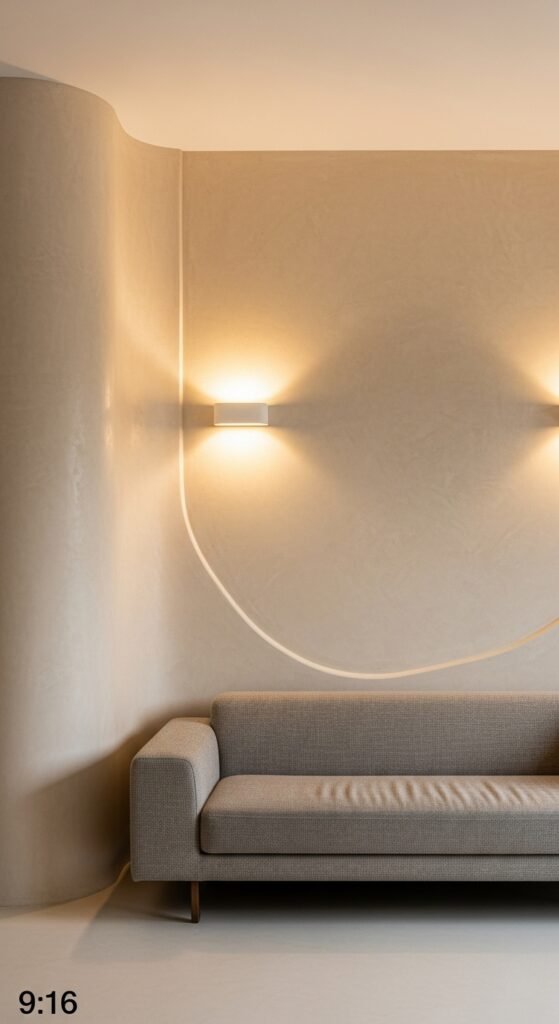
Straight lines dominate modern architecture, but soft curves reintroduce humanity into design. A gently arched or undulating accent wall—whether built from drywall, wood slats, or even suggested through paint—adds dimension and flow. This architectural gesture works beautifully behind a bed or sofa, where it frames the primary function of the space. Finish it in warm plaster, limewash, or vertical fluting to amplify tactile richness. The result is a serene, enveloping atmosphere that feels both contemporary and timeless.
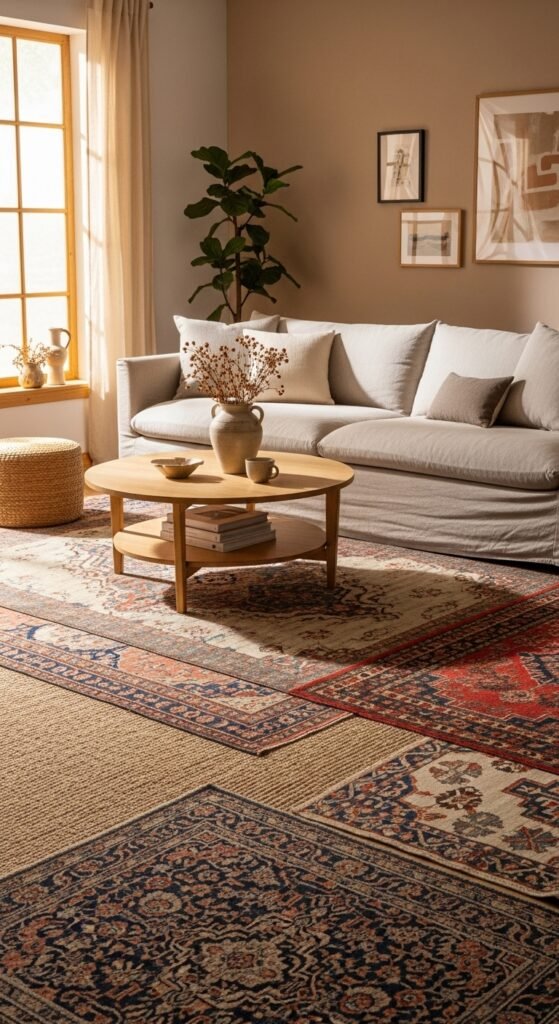
2. Layer Rugs for Depth and Dimension
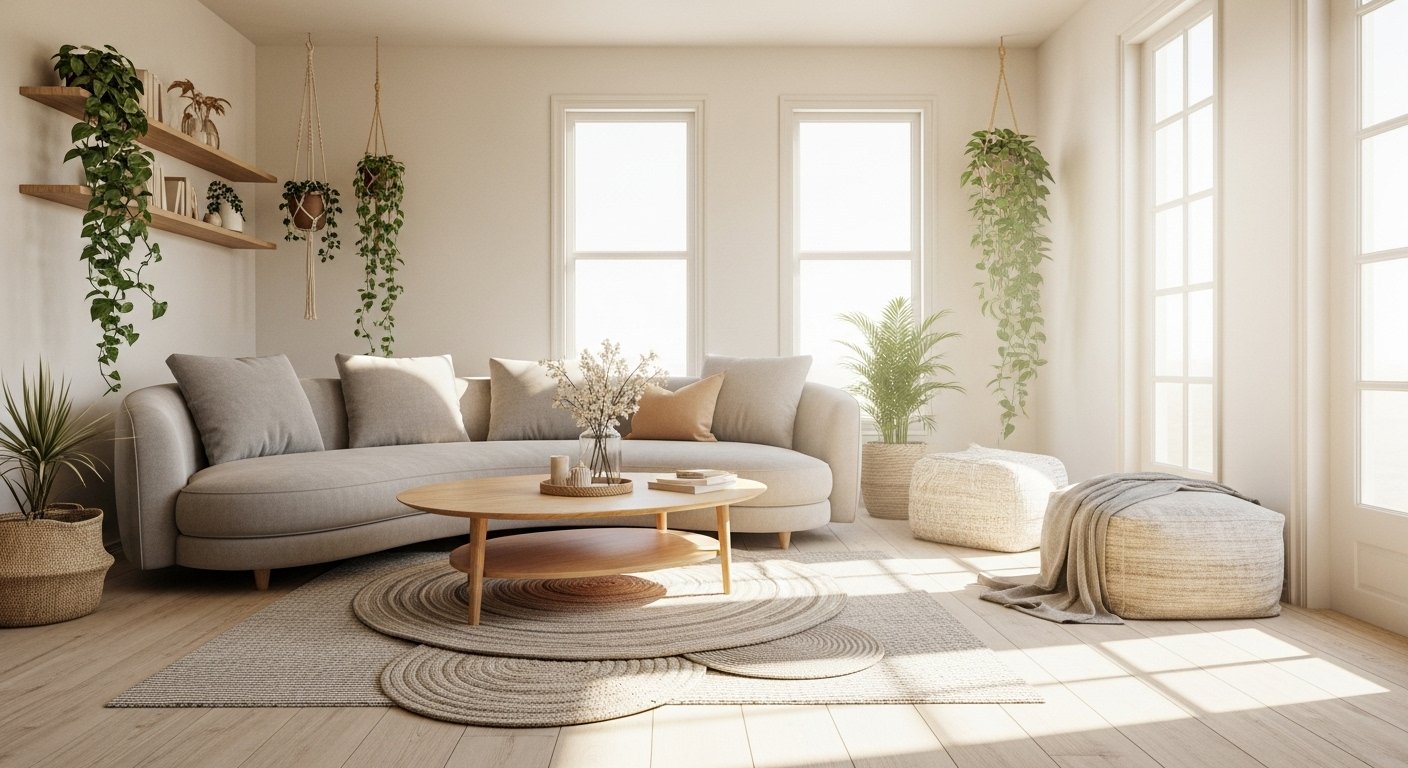
Rugs do more than soften floors—they define zones, absorb sound, and anchor furniture groupings. But one rug often isn’t enough. Layering a large, neutral natural fiber base (like jute or sisal) beneath a smaller, patterned vintage or artisanal rug introduces visual complexity without chaos. The contrast in texture and tone creates a “lived-in” elegance that feels collected over time rather than staged. Ensure the top rug is at least 12–18 inches smaller than the base to maintain clean edges and prevent tripping hazards.
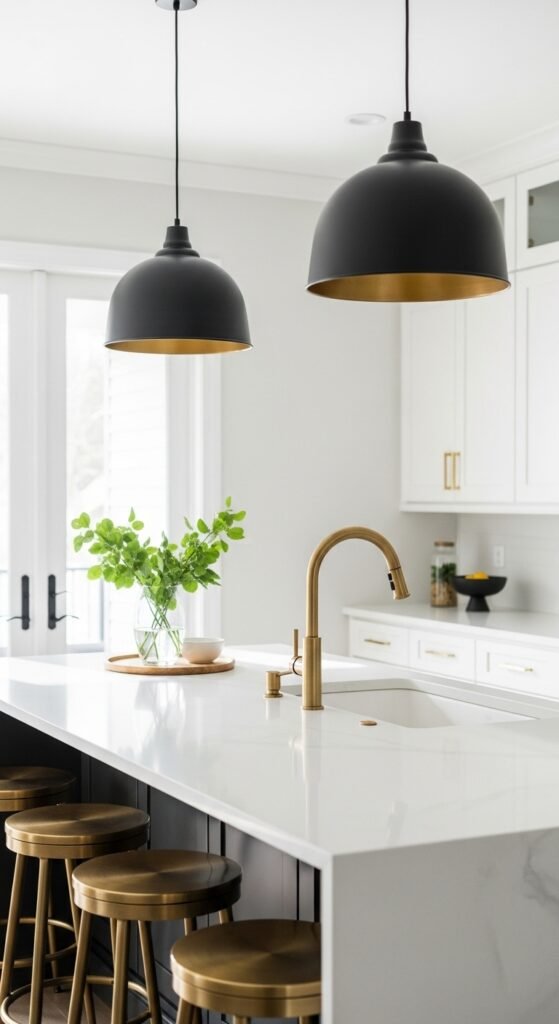
3. Mix Metals with Intention
The old rule of “match all metals” has given way to a more dynamic approach: intentional mixing. Combine brushed brass cabinet pulls with matte black light fixtures, aged bronze mirrors, and polished nickel drawer handles. The key is restraint and rhythm—let one metal dominate (e.g., 60% brass), another support (30% black), and a third accent (10% nickel). This layered metallic palette adds sophistication and prevents a room from feeling flat or overly coordinated.
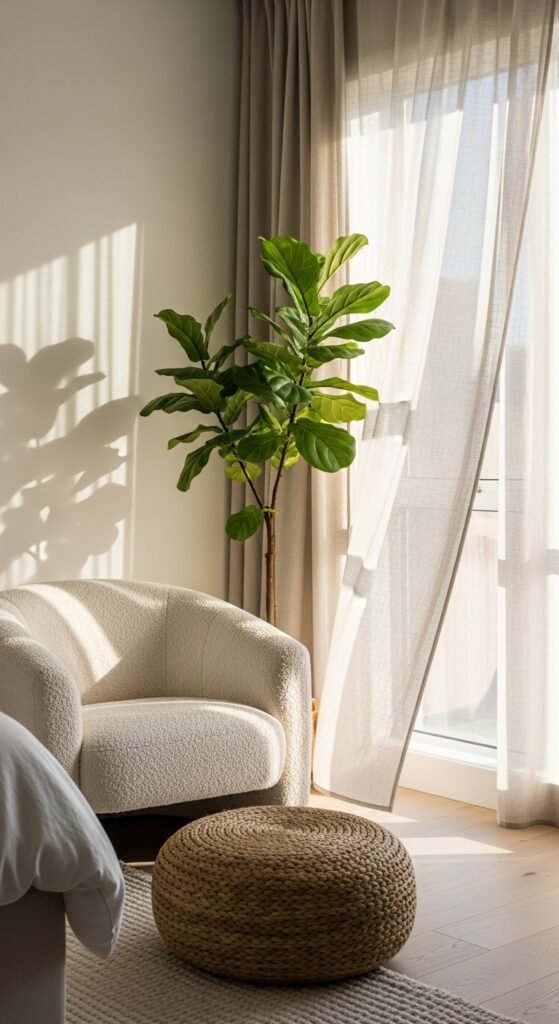
4. Design a “Quiet Corner” for Reading & Reflection
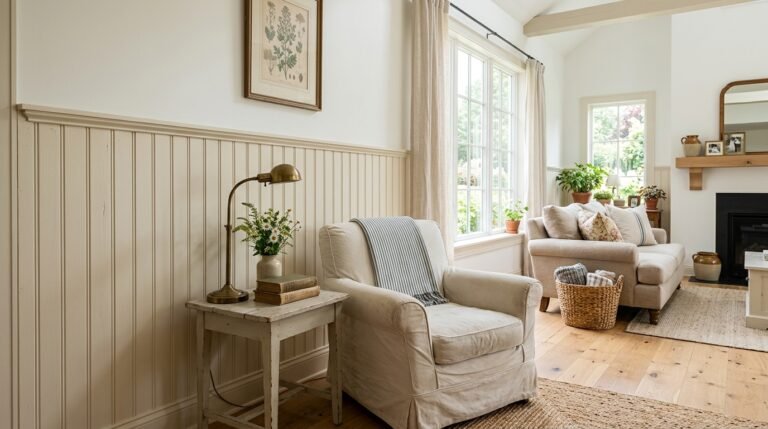
In a world of constant stimulation, a dedicated quiet corner is a sanctuary. Choose a spot near natural light—a bay window, a sun-drenched alcove—and furnish it with a sculptural armchair (think bouclé, velvet, or woven cane), a slim floor lamp with warm-toned bulbs, and a small side table for tea or a journal. Add a tactile throw blanket and a trailing plant like pothos or string of pearls to bring life and softness. This isn’t just decor—it’s an invitation to pause.
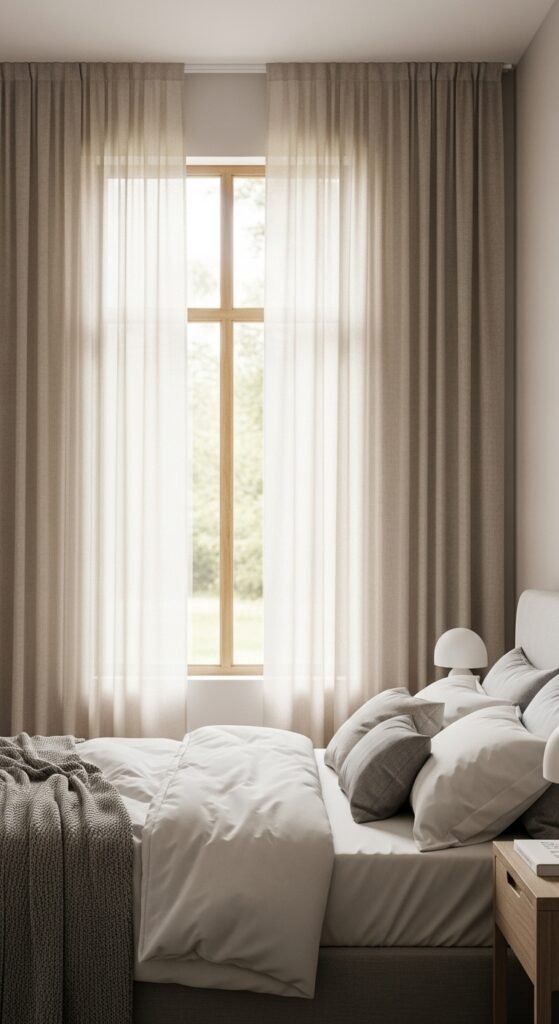
5. Use Floor-to-Ceiling Curtains to Elevate Proportions
Few tricks transform a room as effectively as hanging curtains high and wide. Mount the rod 4–6 inches below the ceiling and extend it 8–12 inches beyond the window frame on each side. Let the fabric gently pool on the floor (about 1–2 inches) for a luxurious drape. Choose natural textiles like linen or cotton in neutral tones—oatmeal, stone, or soft white—to diffuse light and enhance airiness. This simple move makes ceilings feel taller and windows grander.
6. Install Floating Shelves with Purposeful Styling
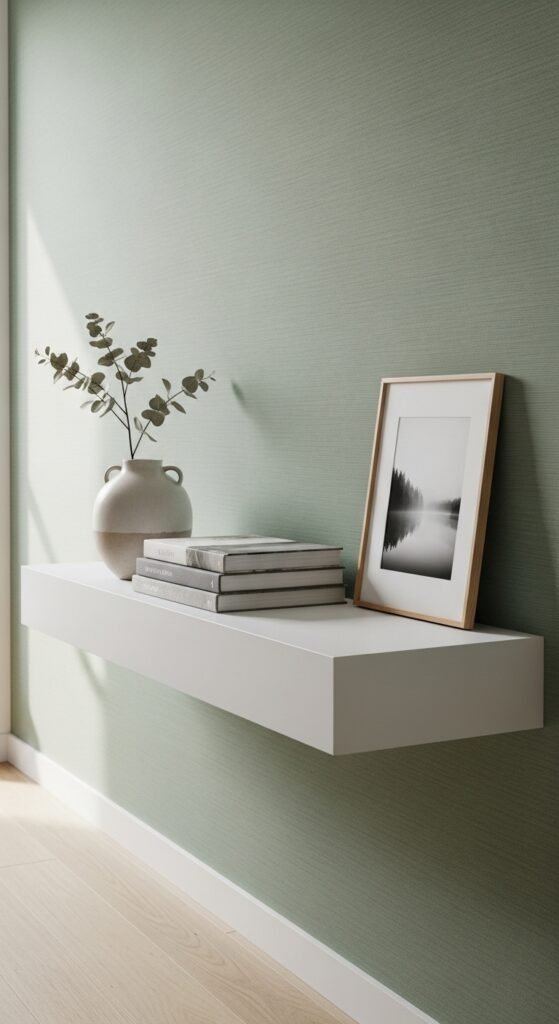
Floating shelves offer display space without visual weight. But avoid clutter by styling them with editorial precision. Apply the “rule of three”: vary height (tall vase, medium book stack, low object), material (wood, ceramic, glass), and function (decorative, useful, sentimental). Leave negative space—don’t fill every inch. Rotate items seasonally to keep the display fresh and meaningful.
7. Paint Interior Doors a Bold Color
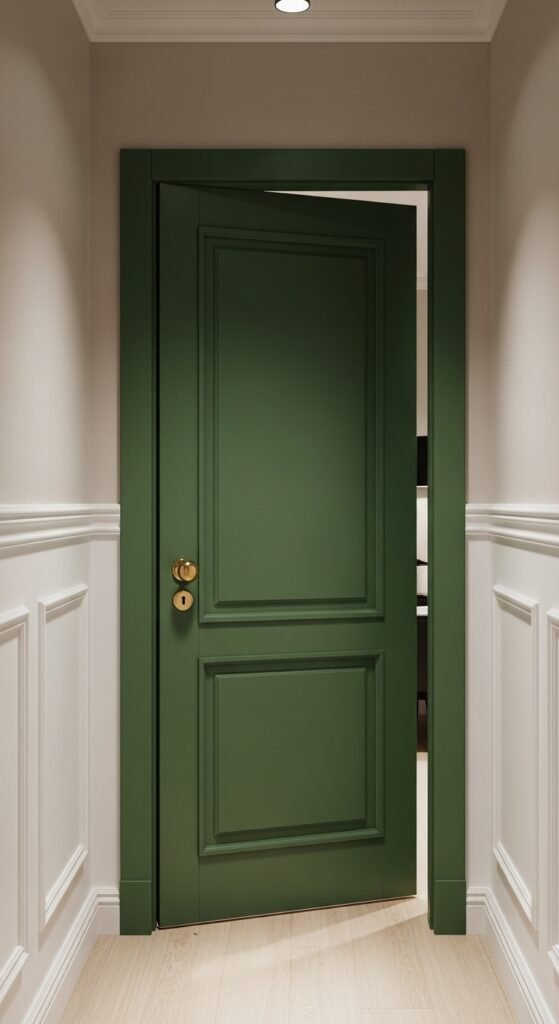
Doors are often overlooked as design opportunities. Yet painting them in a saturated hue—deep emerald, burnt sienna, or inky navy—can turn a functional element into a moment of drama. Pair with crisp white trim for contrast, or match the door to the wall for a monolithic, gallery-like effect. Matte or eggshell finishes work best to avoid glare and maintain sophistication.
8. Bring Texture to Ceilings with Beadboard or Plaster
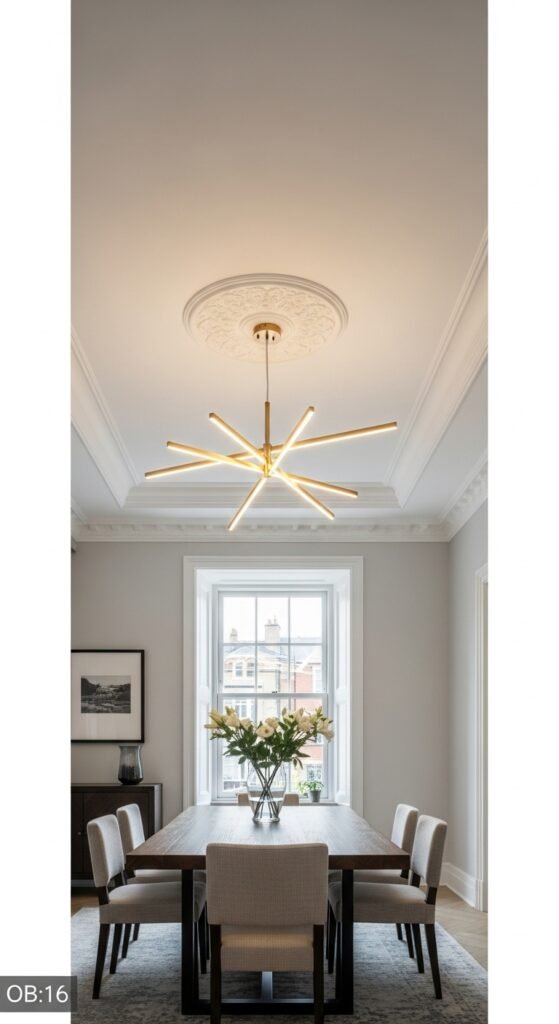
Ceilings are the forgotten fifth wall. Elevate them with beadboard paneling in coastal or cottage spaces, hand-troweled plaster for Mediterranean warmth, or even grasscloth wallpaper for subtle pattern. These treatments add acoustic softness and visual interest, especially in rooms with high ceilings or minimal wall decor. Keep colors light to avoid overwhelming the space.
9. Choose Furniture with Organic Silhouettes
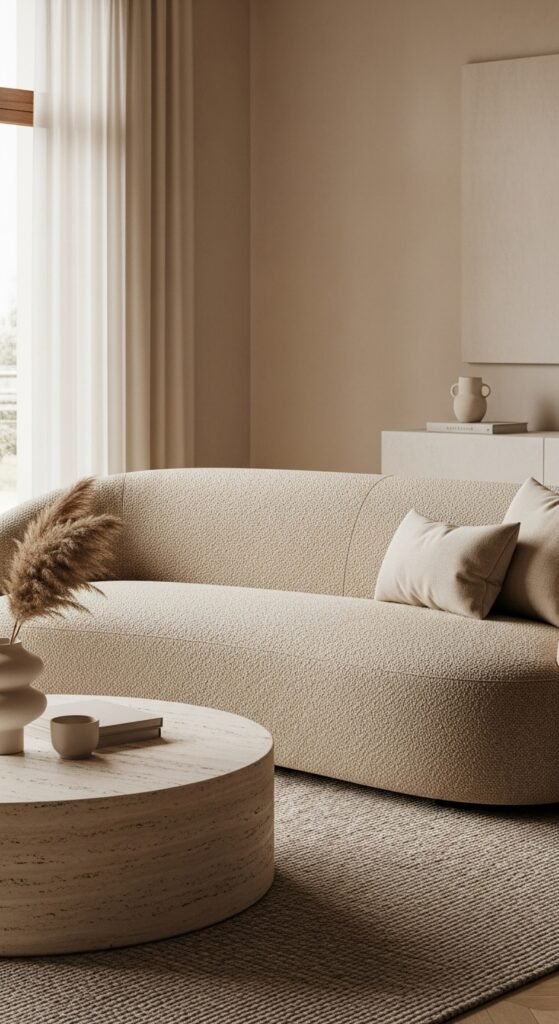
Hard edges create tension; soft forms invite relaxation. Opt for sofas with rounded backs, kidney-shaped coffee tables, oval mirrors, or cloud-like ottomans. These biomorphic shapes echo nature and encourage intuitive movement through a room. When paired with natural materials—oak, travertine, wool—they create a grounded, calming environment.
10. Display Collections as Art
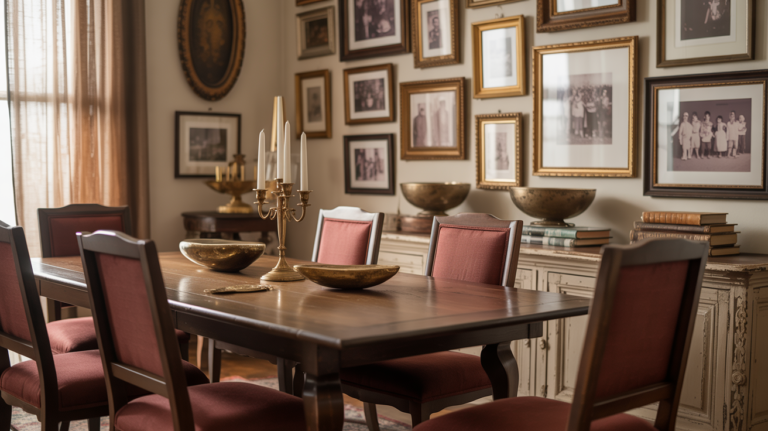
Your collections—vintage glassware, ceramic bowls, seashells, or postcards—are stories waiting to be told. Group them intentionally on open shelving, a console, or a dedicated wall grid. Arrange by color gradient, size progression, or thematic grouping. The goal is cohesion, not randomness. A well-curated collection becomes a personal museum within your home.
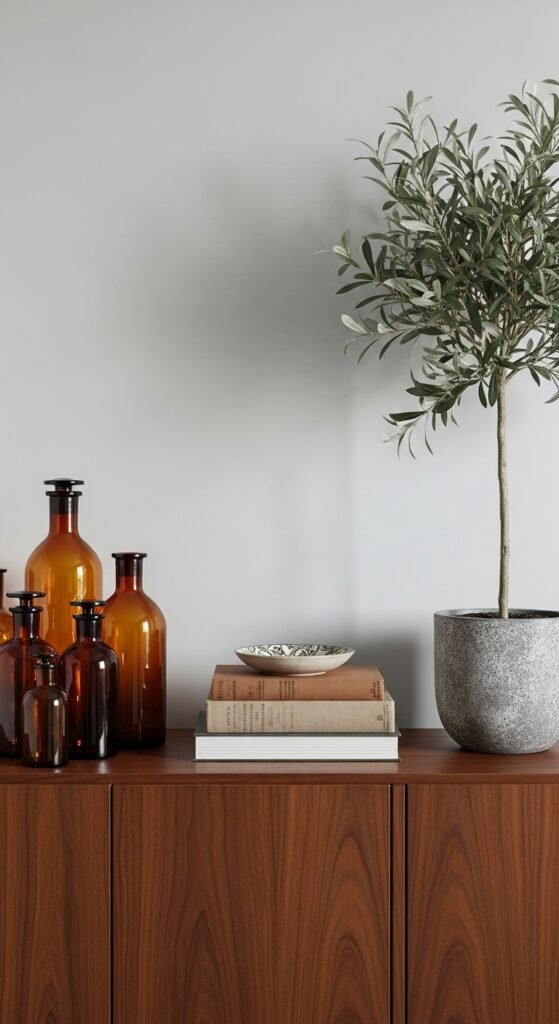
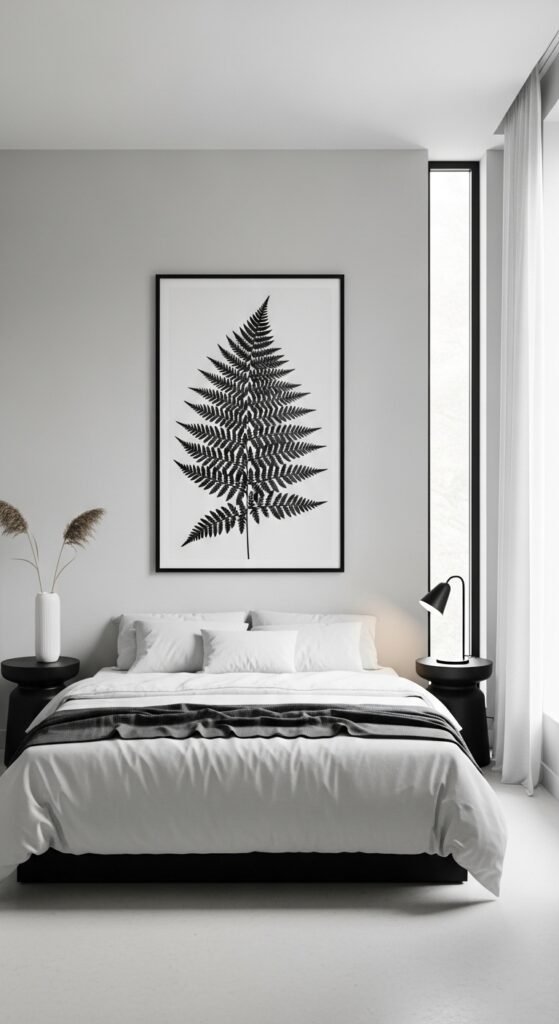
11. Use Large-Scale Botanical Prints
Botanical art bridges the gap between nature and interior design. Choose oversized prints—ideally 24×36 inches or larger—in muted palettes: sepia, sage, slate gray. Frame them in simple wood or black metal to keep focus on the artwork. Hang above a bed, sofa, or desk to inject calm and organic energy without literal greenery.
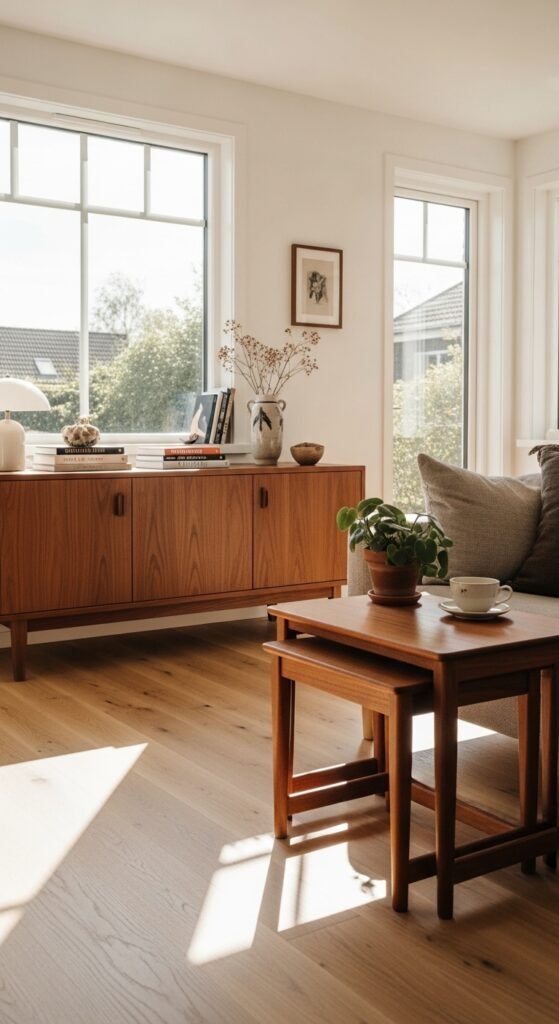
12. Add Warmth with Wood Tones Throughout
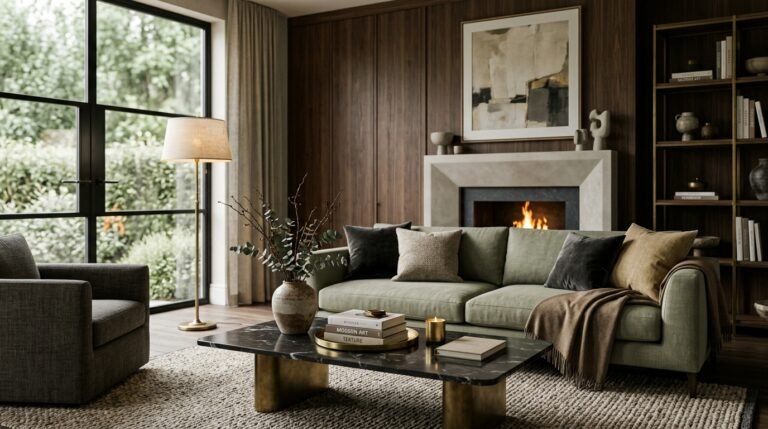
Wood brings soul to any space. Instead of matching every piece, mix species and finishes—light oak floors, walnut media console, teak side table—as long as they share a similar undertone (warm or cool). This creates depth and prevents a “catalog” look. Use wood in unexpected places: ceiling beams, bathroom vanities, or stair railings.
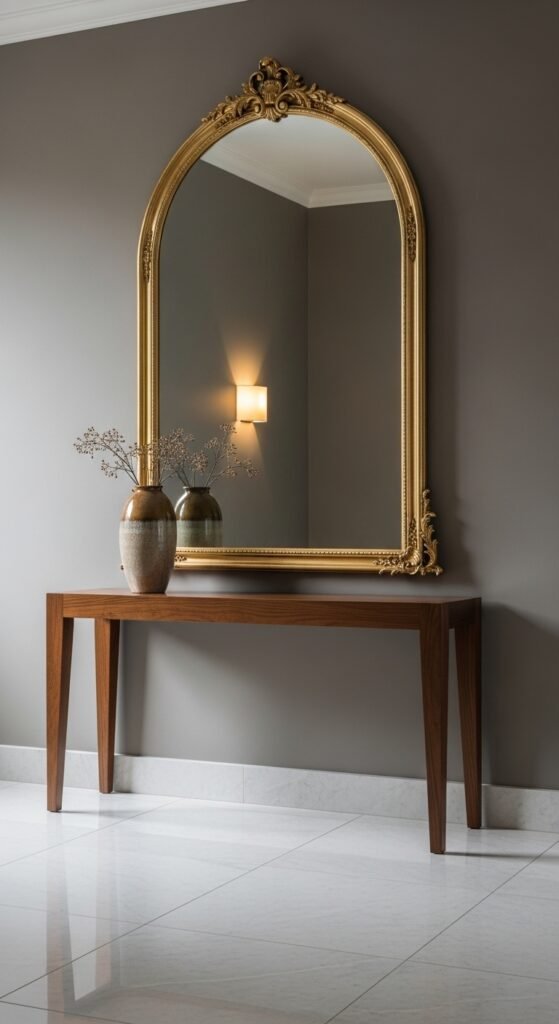
13. Frame Mirrors Like Art
Mirrors aren’t just functional—they’re decorative powerhouses. Choose antique frames, arched profiles, or custom matting to elevate them. In entryways or hallways, a large mirror multiplies light and space. In bathrooms, swap builder-grade mirrors for statement pieces with character. Always ensure the frame complements nearby finishes.
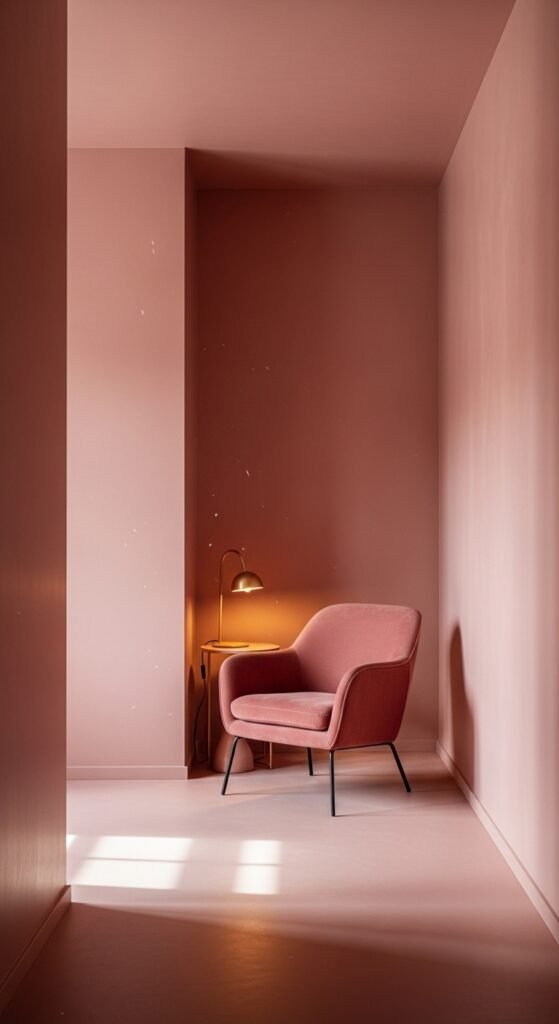
14. Create a Monochromatic Moment in One Room
Monochromatic doesn’t mean boring—it means immersive. Select a single hue (e.g., clay pink, olive green, or slate blue) and use it across walls, trim, upholstery, and accessories in varying saturations and textures. A velvet chair, matte walls, and silk pillows in the same family create a cocooning, editorial-worthy space that feels both bold and serene.
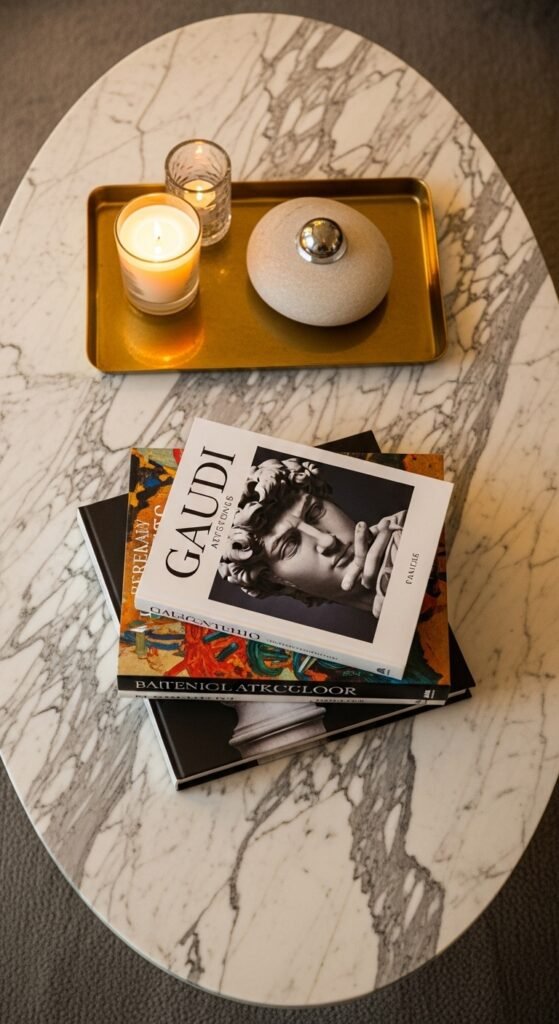
15. Style Your Coffee Table with Layers
A coffee table should be beautiful but usable. Start with a tray to contain remotes or coasters. Add a candle for ambiance, a small sculpture or stone for grounding, and a stack of 2–3 coffee table books with complementary covers. Rotate items monthly to keep the surface feeling fresh and intentional.
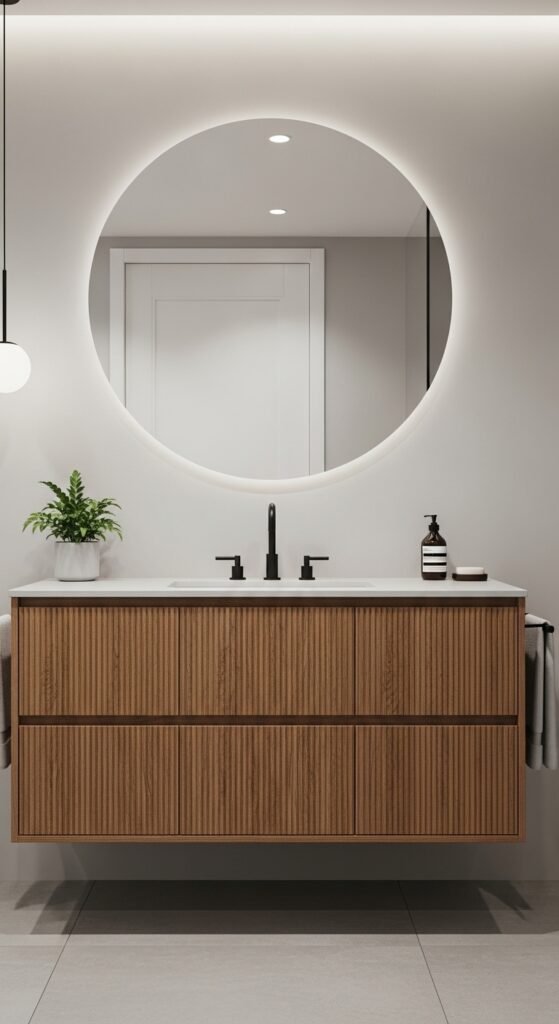
16. Use Unexpected Materials in Bathrooms
Move beyond subway tile. Consider fluted wood vanities (sealed for moisture resistance), concrete vessel sinks, or terrazzo countertops with brass inlays. These materials add tactile intrigue and make daily routines feel ritualistic. Pair with matte black fixtures and soft ambient lighting for a spa-like mood.
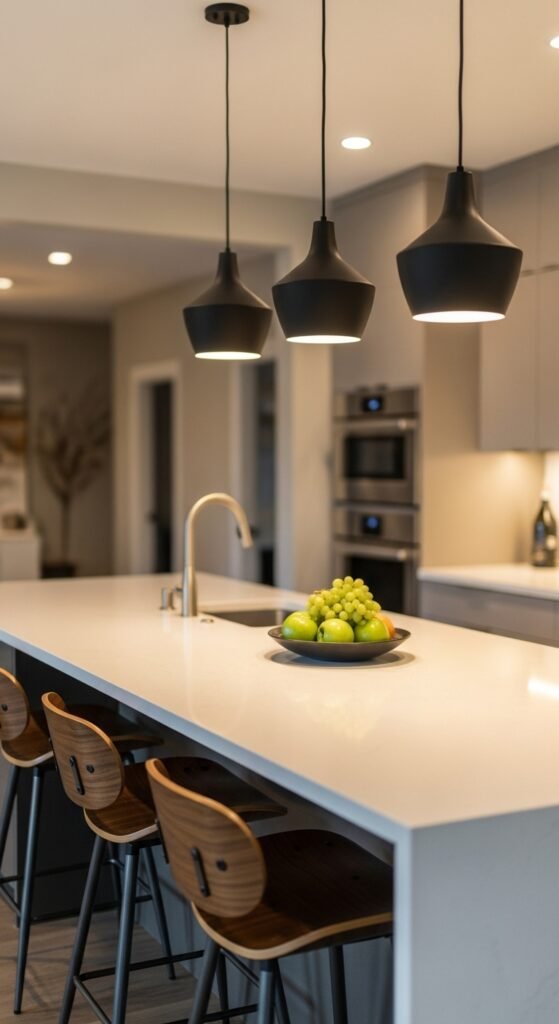
17. Hang Pendant Lights at Varying Heights
In kitchens or dining areas, clustered pendants at staggered heights create rhythm and visual interest. Choose complementary shapes—globes, cylinders, cones—in the same finish family. Ensure the lowest pendant hangs 30–36 inches above the surface for proper scale and clearance.
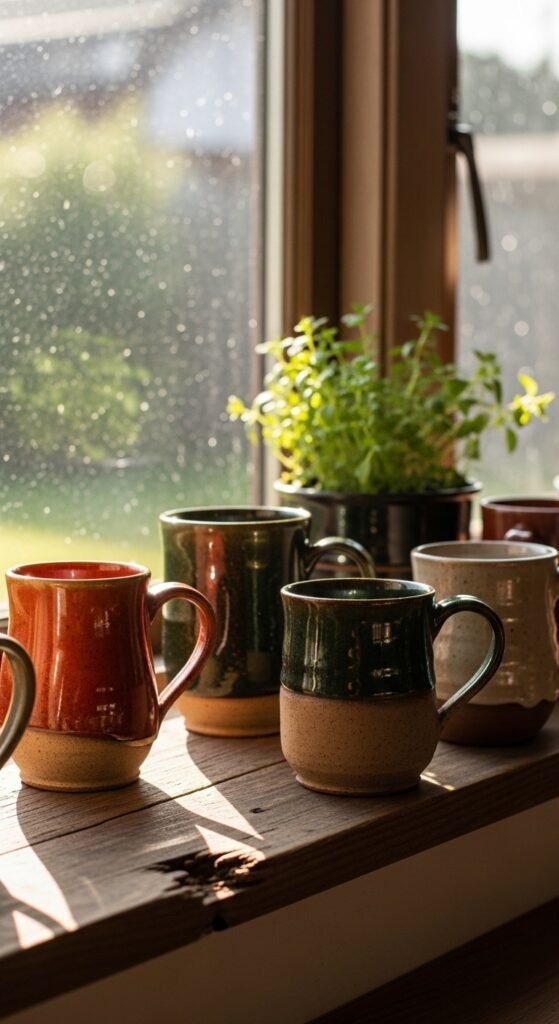
18. Incorporate Handmade Ceramics
Mass-produced items lack soul. Seek out artisanal pottery—mugs with thumbprint glazes, irregular vases, speckled planters. Their imperfections celebrate human touch. Display them on open shelves, windowsills, or as centerpieces. They pair beautifully with linen, wood, and stone.
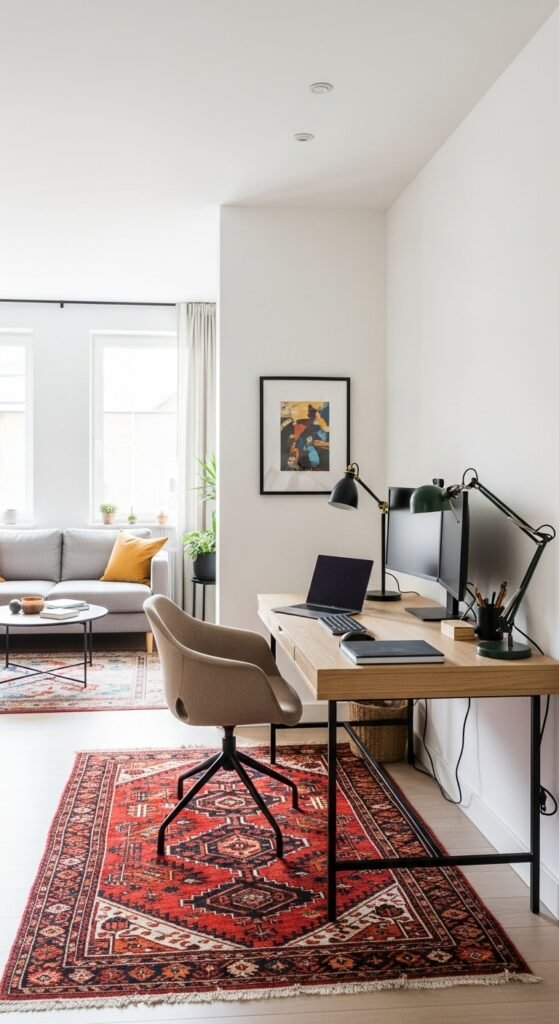
19. Define Zones with Area Rugs in Open Plans
In lofts or open-concept homes, rugs act as invisible walls. Place a plush wool rug under the living area, a flatweave under the dining table, and leave hardwood under the workspace. This subtly signals function without physical barriers, maintaining flow while adding definition.
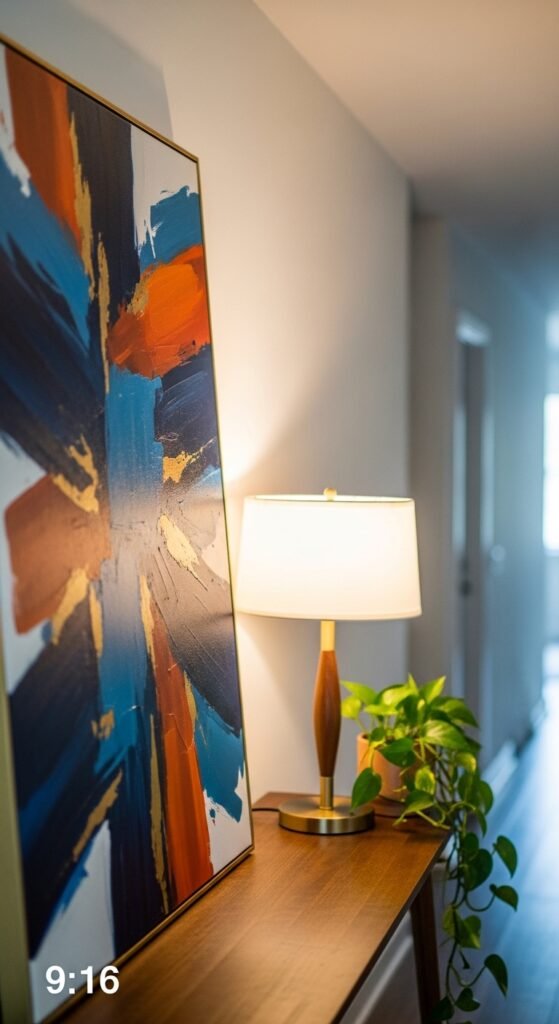
20. Lean Art Instead of Hanging It
Leaning art feels relaxed and flexible. Use large canvases or framed prints on consoles, shelves, or directly on the floor against a wall. It’s ideal for renters or those who like to rotate displays. Anchor with a heavy object or lean against architectural features like bookshelves for stability.
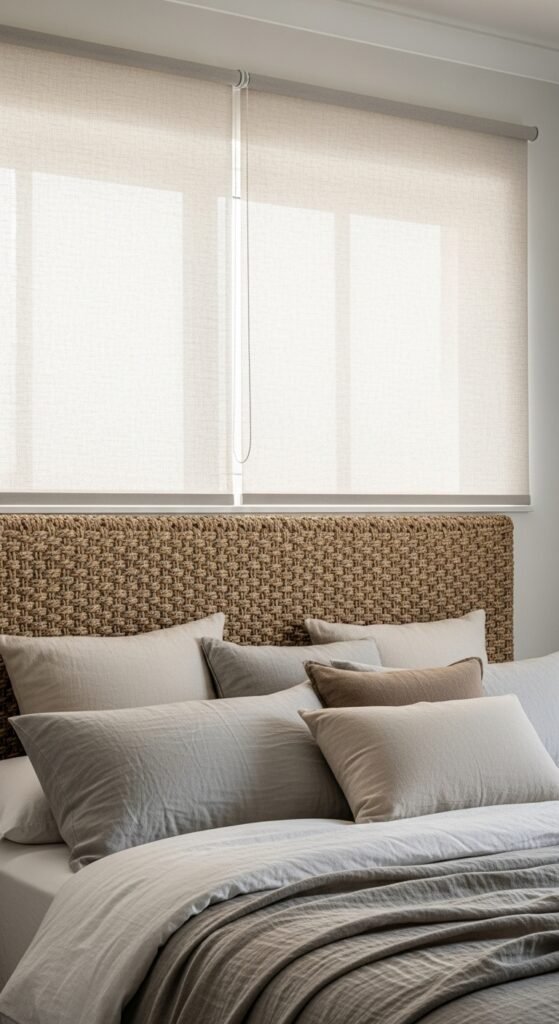
21. Use Natural Fiber Window Treatments
Synthetic blinds feel clinical. Opt for linen roller shades, cotton Roman blinds, or bamboo weaves. They filter light softly, add texture, and age gracefully. In bedrooms, layer them with blackout curtains for practicality without sacrificing aesthetics.
22. Add Drama with a Dark-Painted Ceiling
A dark ceiling—navy, charcoal, or deep green—creates intimacy in small spaces like powder rooms, libraries, or reading nooks. Pair with warm lighting (2700K bulbs) and reflective surfaces (mirrors, metallics) to avoid heaviness. It’s a bold move that pays off in mood and memorability.

23. Style Nightstands with Balance
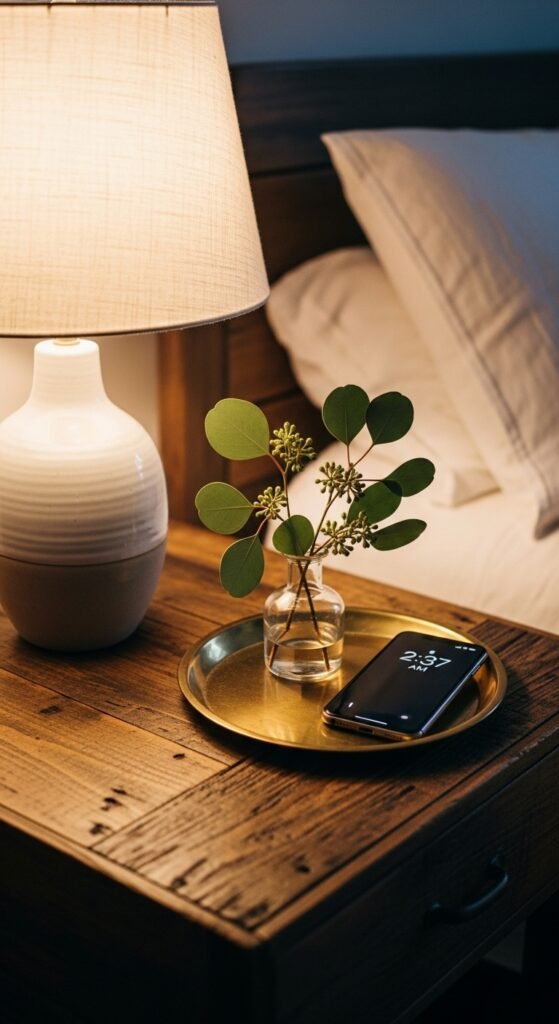
Bedside tables should serve function and beauty. Include a lamp (with warm light), a small tray for jewelry or glasses, and one personal item—a photo, crystal, or tiny plant. Avoid overcrowding; three items max. Symmetry isn’t required—harmony is.
24. Use Plants as Living Sculptures
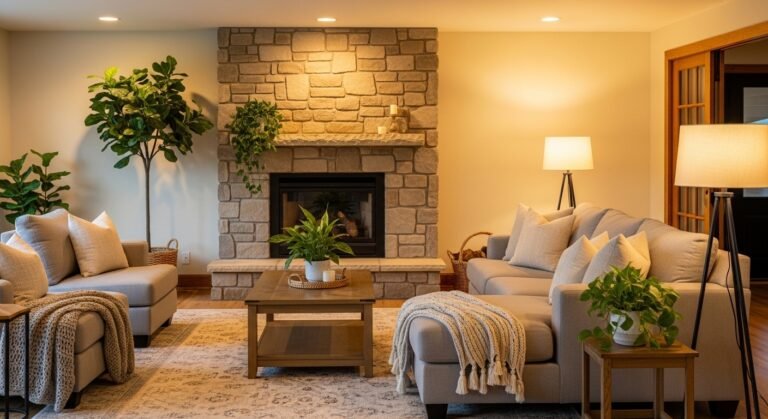
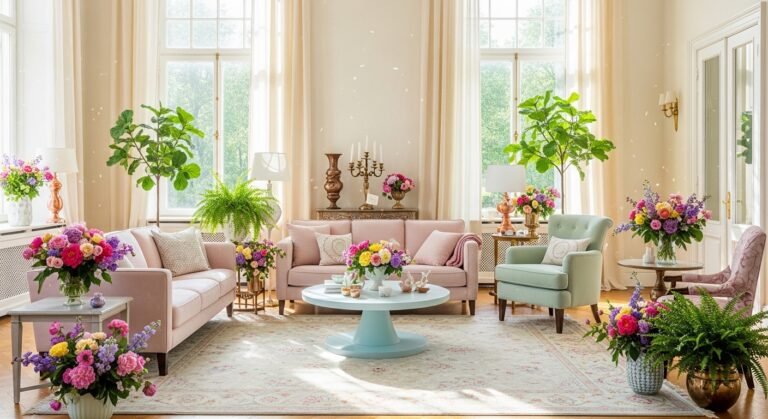
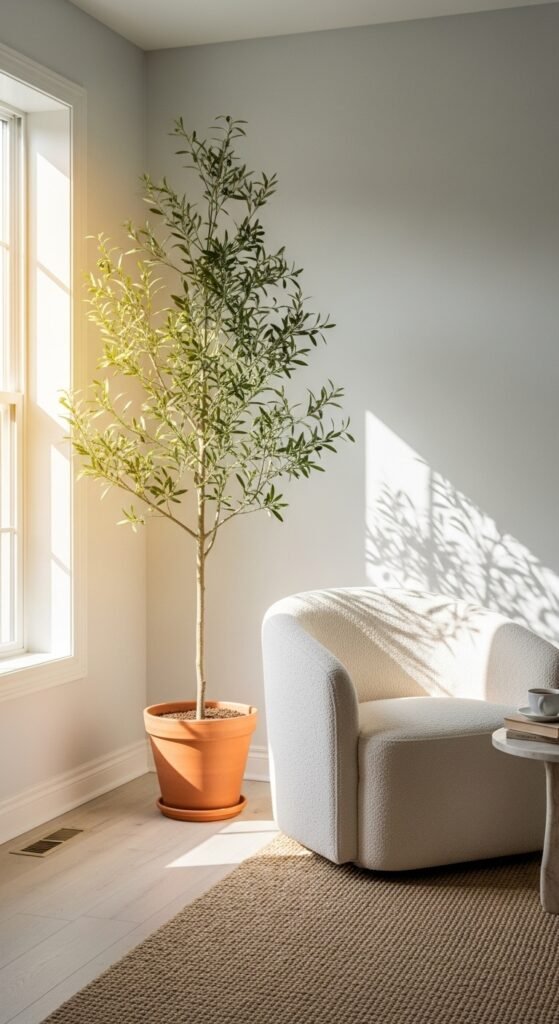
Plants are decor that grows with you. Choose architectural varieties—bird of paradise, monstera deliciosa, olive trees—and place them in simple, neutral pots (terracotta, concrete, matte white). Position them in corners, beside furniture, or as room dividers. They purify air and add kinetic energy.
25. Craft a Signature Scent for Your Home
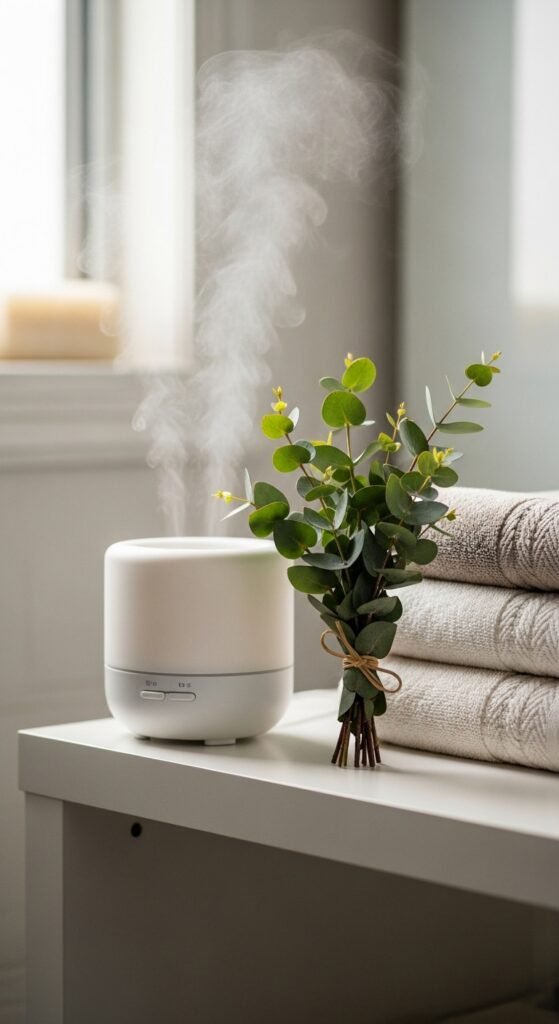
Scent is the most evocative sense. Develop a signature aroma using reed diffusers, soy candles, or essential oil blends. Citrus and rosemary for the entryway (energizing), sandalwood and vanilla in the living room (grounding), lavender and chamomile in the bedroom (calming). Your home should smell like you—not a store.
True style isn’t about perfection—it’s about presence. These 25 ideas are not rigid rules but gentle invitations to engage more deeply with your space. Start with one that resonates, then let your home evolve slowly, thoughtfully, and joyfully. Because the most stylish homes aren’t the ones that look flawless—they’re the ones that feel like home.