23 Japandi Bathroom Designs Zen & Minimal
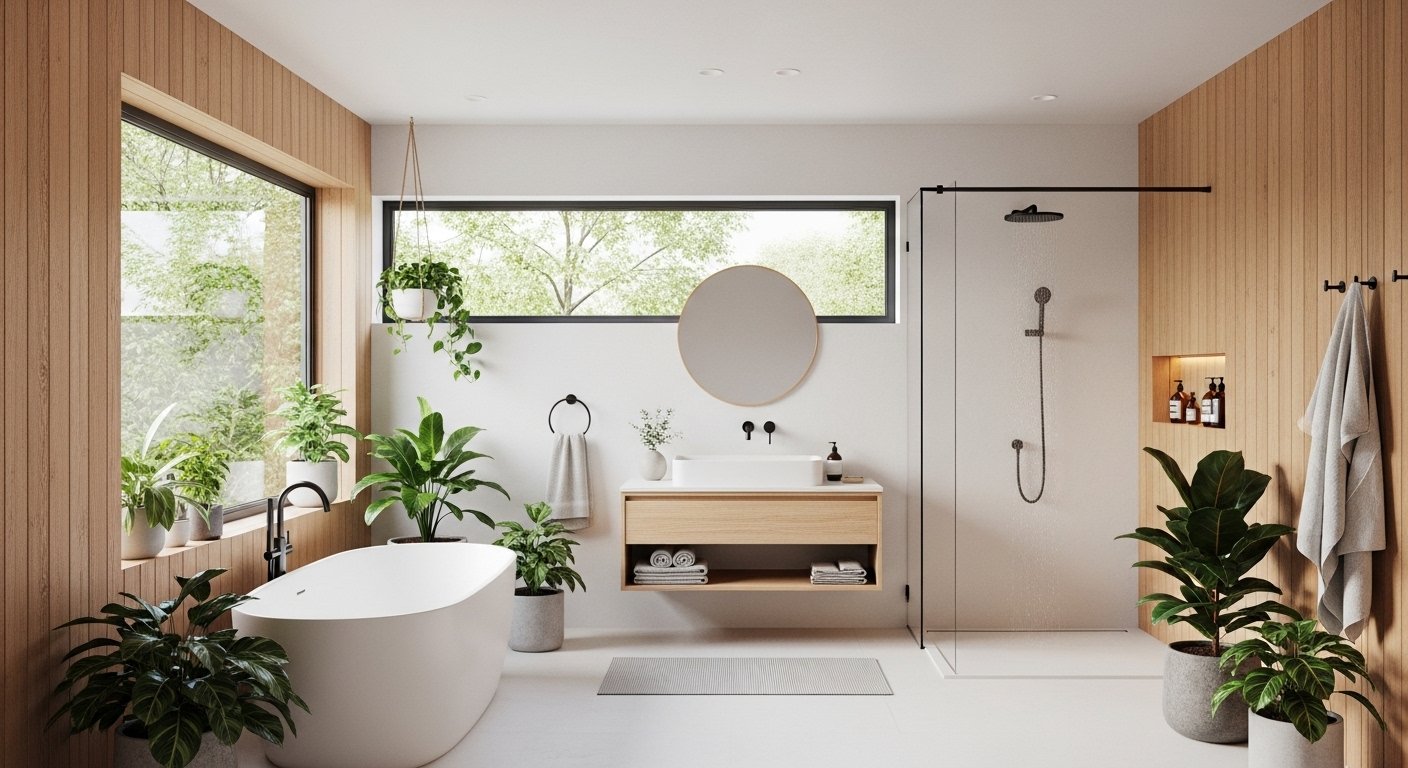
Japandi bathroom designs have taken the world by storm with their unique blend of Japanese and Scandinavian aesthetics. Characterized by minimalism, simplicity, and a focus on natural materials, these designs create serene and calming spaces perfect for relaxation. The fusion of Japanese and Scandinavian styles brings about a harmonious balance of functionality and visual appeal, making Japandi bathrooms not just a place for hygiene but a sanctuary for the soul. With an emphasis on clean lines, organic textures, and neutral color palettes, Japandi bathroom designs are a testament to the beauty of understated elegance. Whether you’re looking to renovate your existing bathroom or design a new one, incorporating Japandi elements can elevate your space to a new level of sophistication and tranquility. By embracing the principles of Japandi design, you can create a bathroom that is not only visually stunning but also deeply peaceful.
1. Minimalist Bathtub
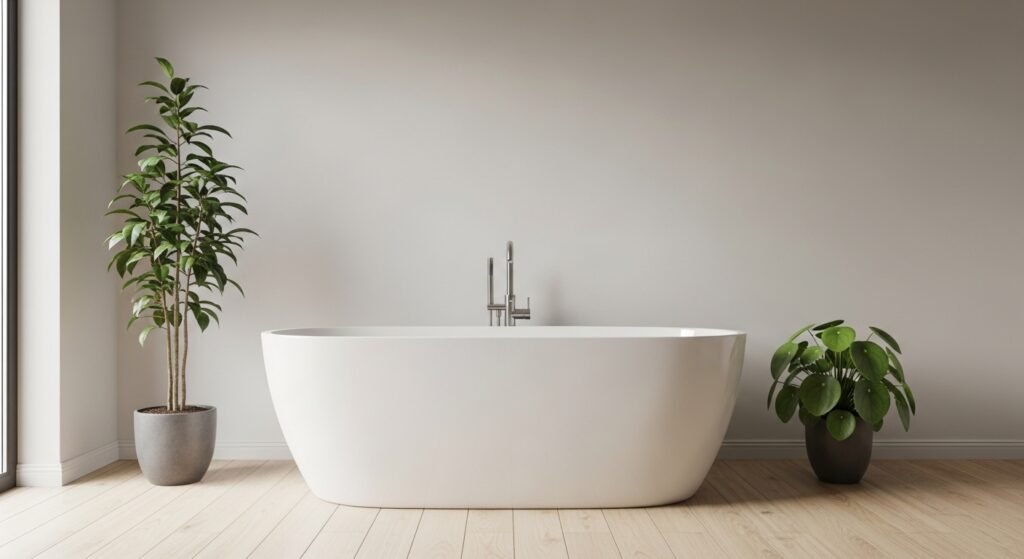
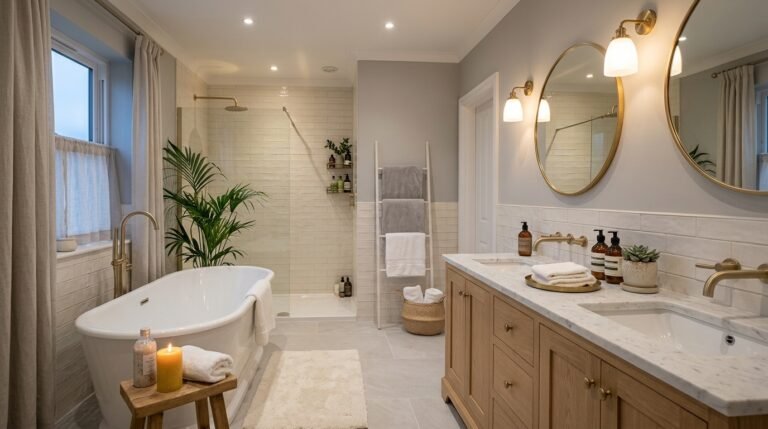
A minimalist bathtub is a staple in Japandi bathroom design, characterized by clean lines, a simple silhouette, and an emphasis on functionality. These bathtubs are often freestanding, allowing for a sense of openness and flow in the bathroom. The minimalist design of the bathtub creates a sense of calmness and serenity, making it the perfect centerpiece for a Japandi bathroom.
2. Natural Stone Flooring
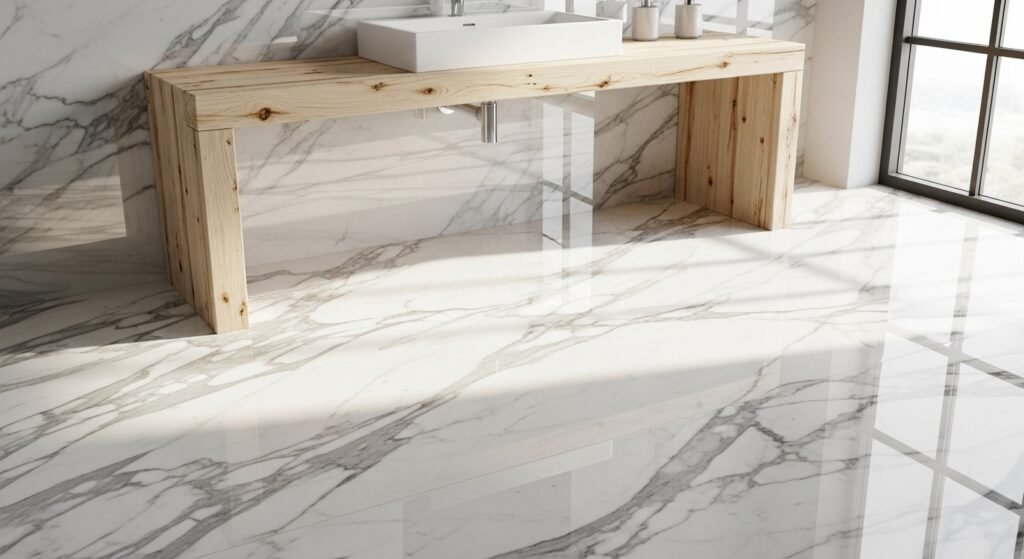
Natural stone flooring is a key element in Japandi bathroom design, bringing warmth and texture to the space. Materials like marble, granite, and limestone are popular choices, as they add a sense of organic elegance to the bathroom. The natural beauty of the stone flooring creates a visually appealing contrast with the minimalist fixtures and fittings.
3. Wall-Mounted Sink
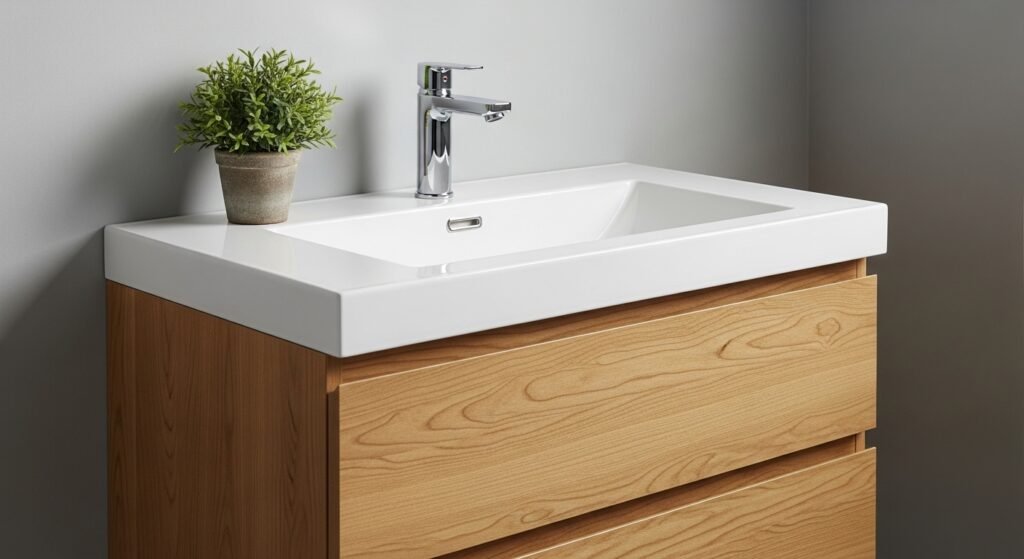
A wall-mounted sink is a characteristic feature of Japandi bathroom design, emphasizing minimalism and simplicity. These sinks are often made of ceramic or glass, and their wall-mounted design creates a sense of openness and flow in the bathroom. The minimalist design of the sink allows for a clutter-free countertop, adding to the overall sense of serenity in the space.
4. Shower Area with Glass Partition
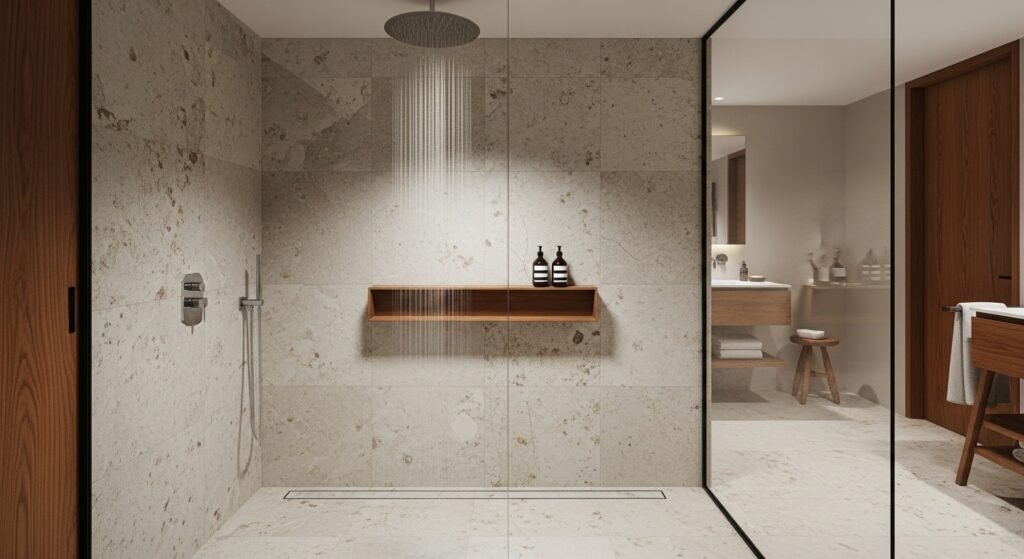
A shower area with a glass partition is a common feature in Japandi bathrooms, creating a sense of openness and flow. The glass partition allows natural light to filter into the shower area, making it feel more spacious and airy. The minimalist design of the shower area, combined with the glass partition, creates a sense of seamlessness and continuity with the rest of the bathroom.
5. Wooden Accents
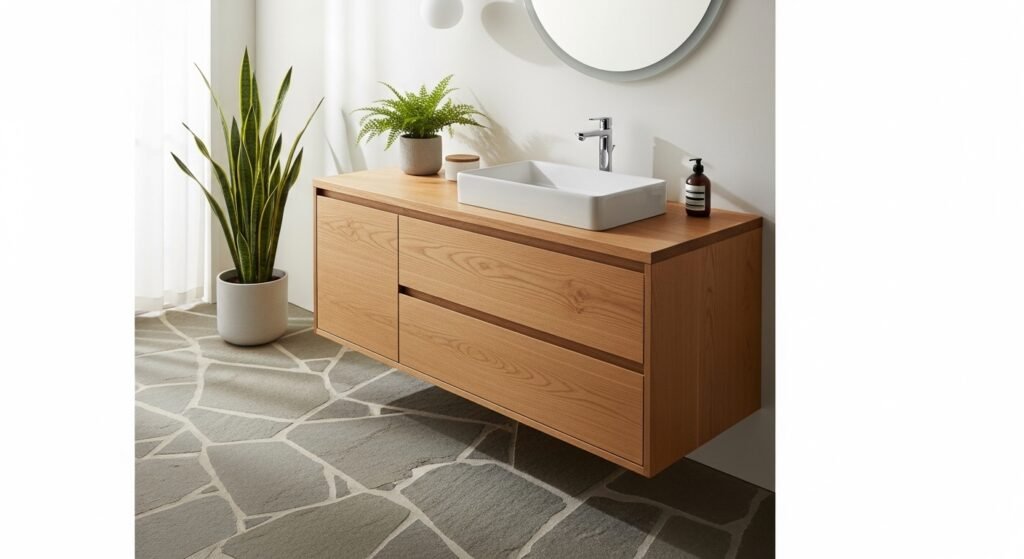
Wooden accents are a key element in Japandi bathroom design, adding warmth and texture to the space. Wooden elements like vanities, shelves, and flooring bring a sense of organic elegance to the bathroom, creating a visually appealing contrast with the minimalist fixtures and fittings.
6. Greenery
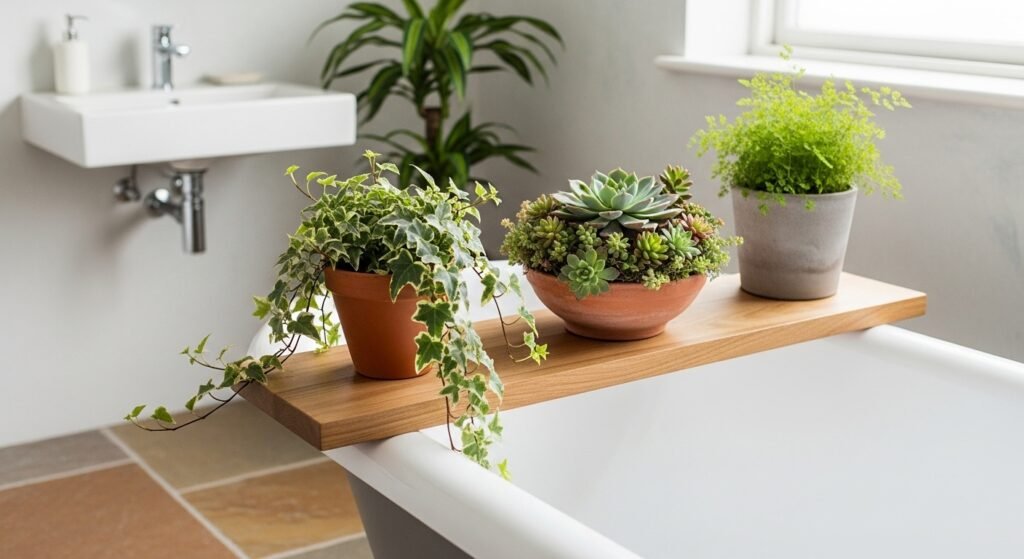
Greenery is an essential element in Japandi bathroom design, bringing a touch of nature and serenity to the space. Potted plants or a living wall can add a sense of calmness and tranquility to the bathroom, creating a peaceful ambiance that promotes relaxation.
7. Neutral Color Palette
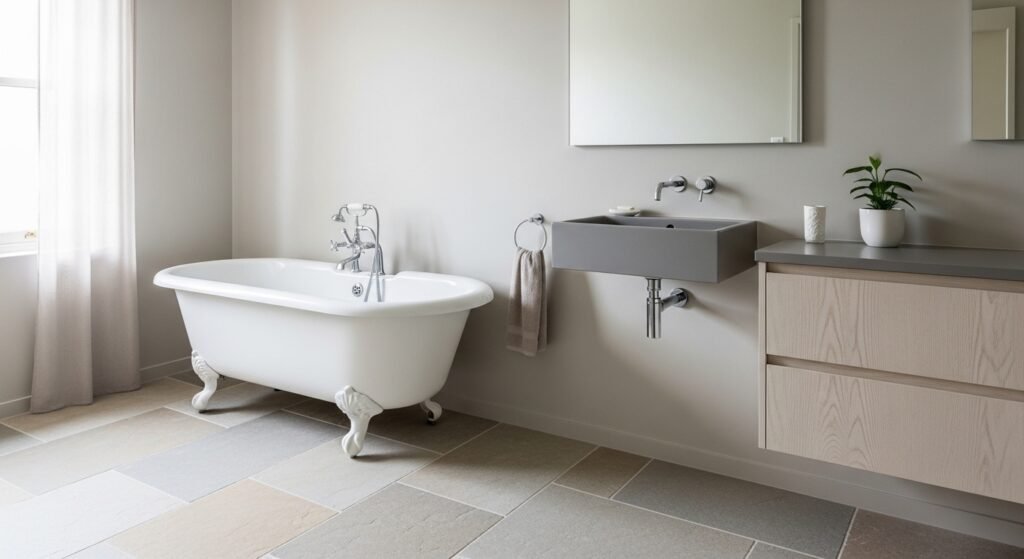
A neutral color palette is a characteristic feature of Japandi bathroom design, emphasizing minimalism and simplicity. A palette of whites, creams, and grays creates a sense of calmness and serenity, allowing the natural beauty of the materials to take center stage.
8. Minimalist Lighting
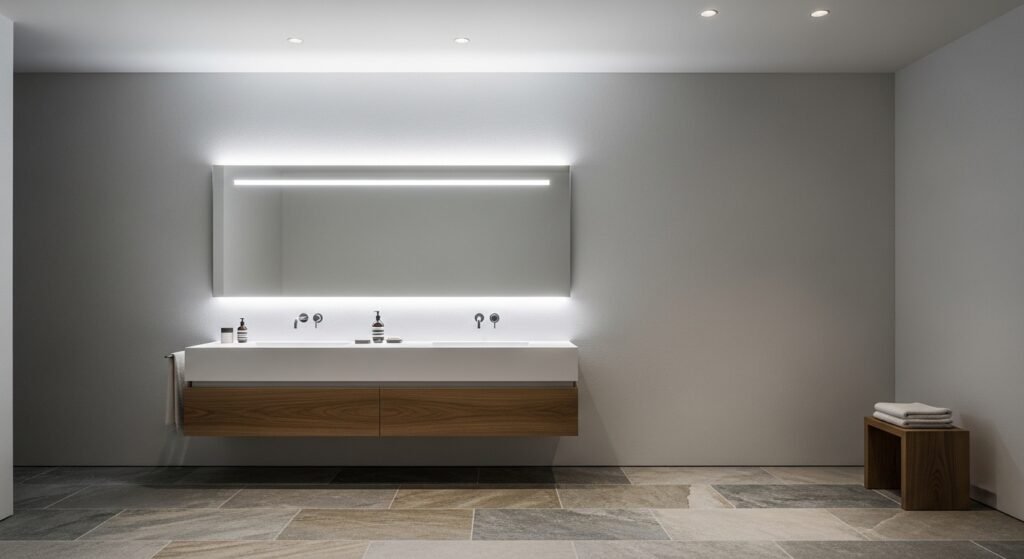
Minimalist lighting is a key element in Japandi bathroom design, emphasizing simplicity and functionality. Simple, unobtrusive lighting fixtures like LED strips or recessed lights create a sense of calmness and serenity, allowing the natural beauty of the materials to shine.
9. Free-Standing Toilet
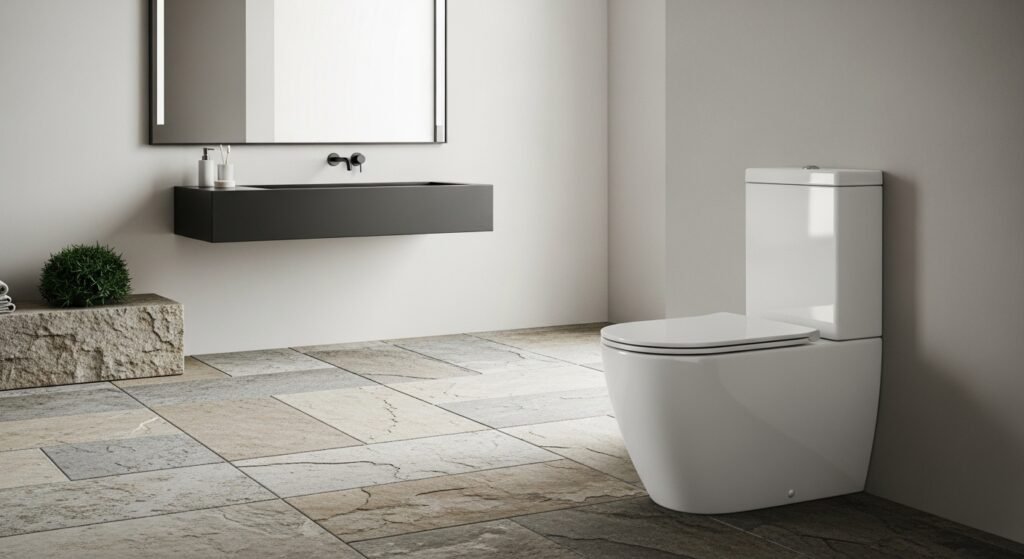
A free-standing toilet is a characteristic feature of Japandi bathroom design, emphasizing minimalism and simplicity. These toilets are often made of ceramic or glass, and their freestanding design creates a sense of openness and flow in the bathroom.
10. Heated Flooring
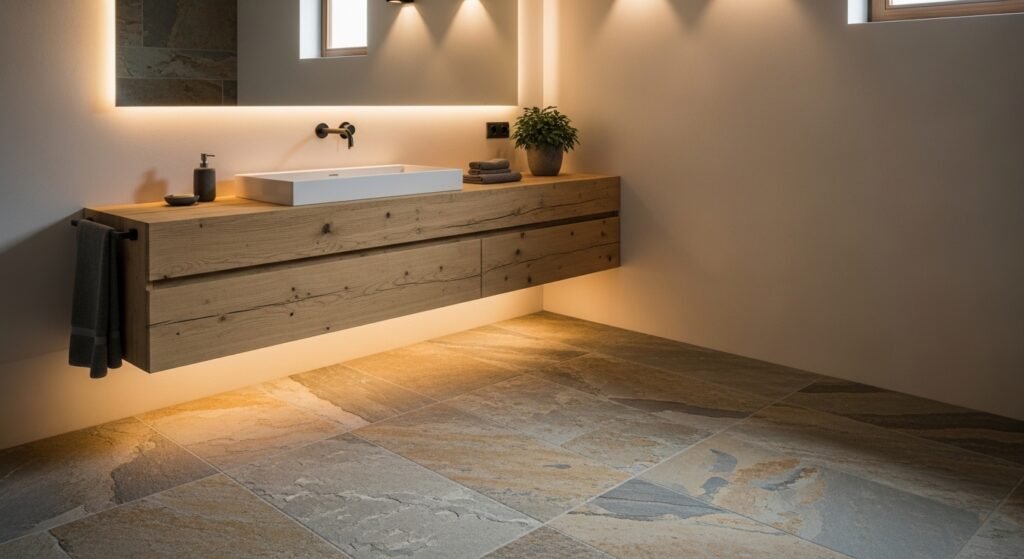
Heated flooring is a luxurious feature in Japandi bathroom design, providing warmth and comfort underfoot. Heated flooring can be especially appealing in colder climates, creating a cozy and inviting atmosphere in the bathroom.
11. Simple Faucets
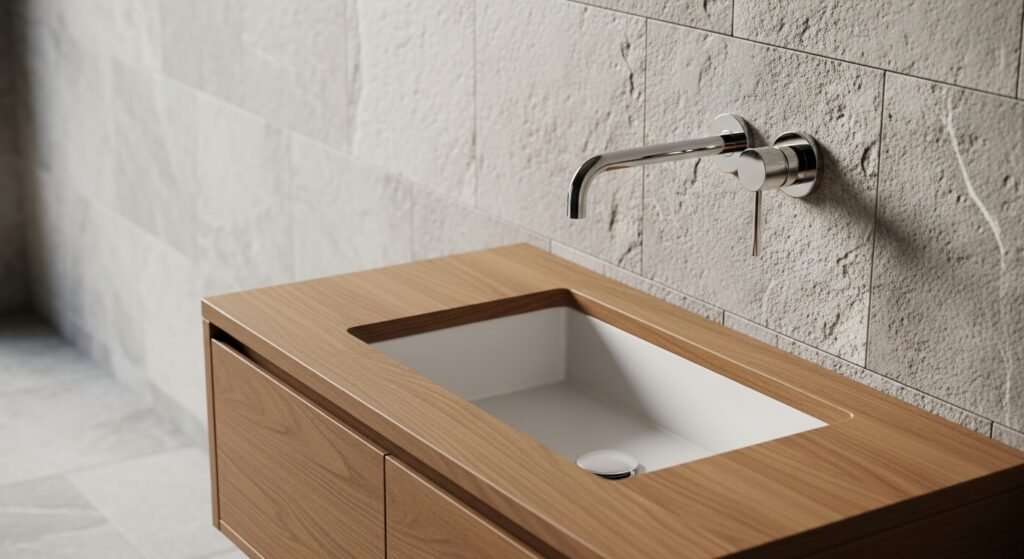
Simple faucets are a characteristic feature of Japandi bathroom design, emphasizing minimalism and functionality. Simple, unobtrusive faucets create a sense of calmness and serenity, allowing the natural beauty of the materials to take center stage.
12. Recessed Shelving
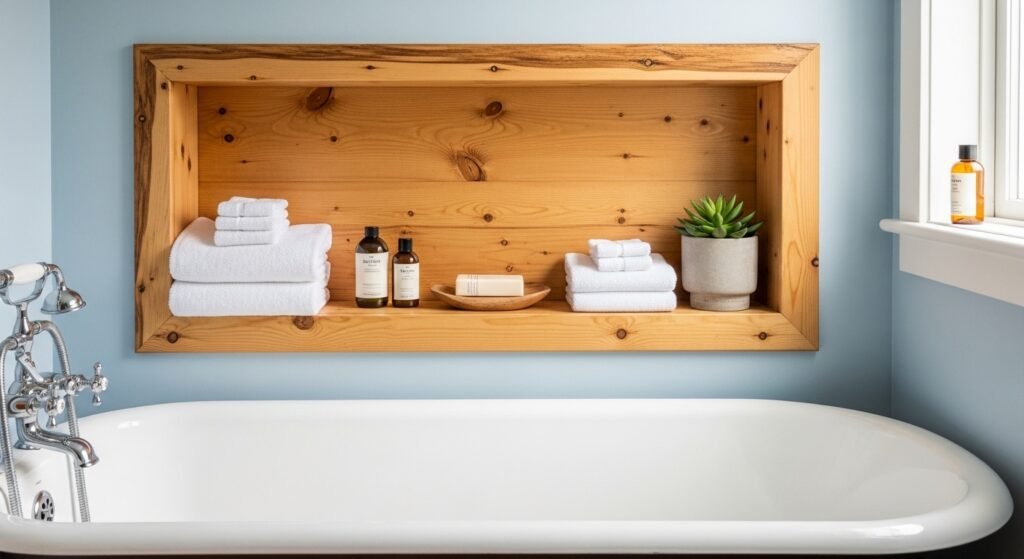
Recessed shelving is a key element in Japandi bathroom design, providing a sense of openness and flow in the space. Recessed shelves can be used to store toiletries, towels, and other bathroom essentials, keeping the countertops clutter-free and minimalist.
13. Natural Textiles
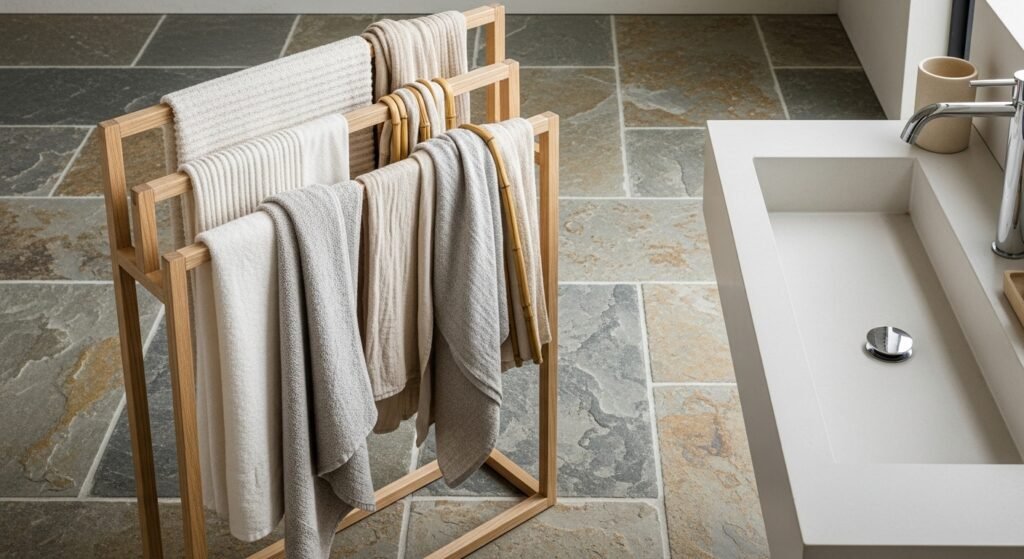
Natural textiles like cotton, linen, and bamboo are often used in Japandi bathroom design, adding warmth and texture to the space. These textiles can be used for towels, robes, and other bathroom accessories, creating a sense of organic elegance and simplicity.
14. Minimalist Mirrors
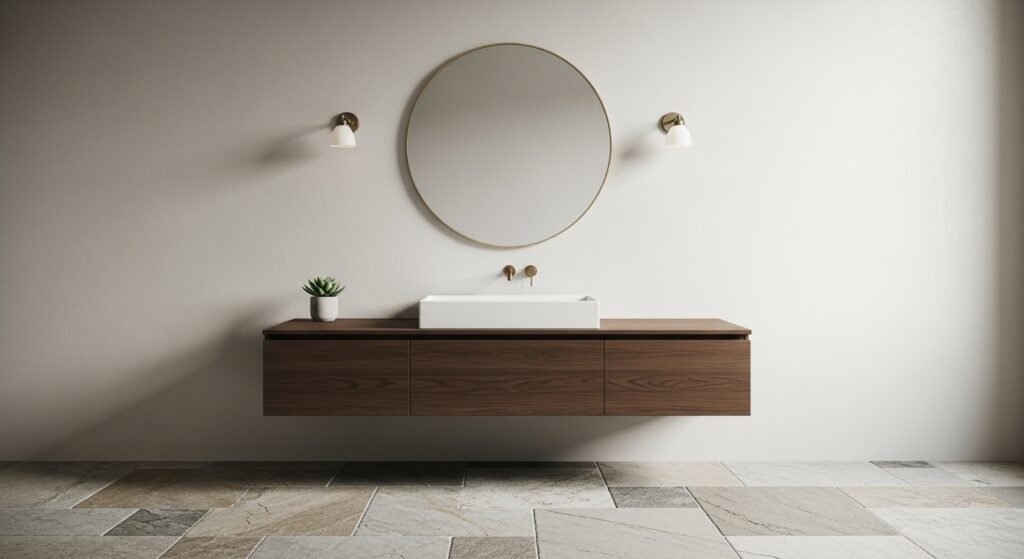
Minimalist mirrors are a characteristic feature of Japandi bathroom design, emphasizing simplicity and functionality. Simple, unobtrusive mirrors create a sense of calmness and serenity, allowing the natural beauty of the materials to take center stage.
15. Freestanding Storage
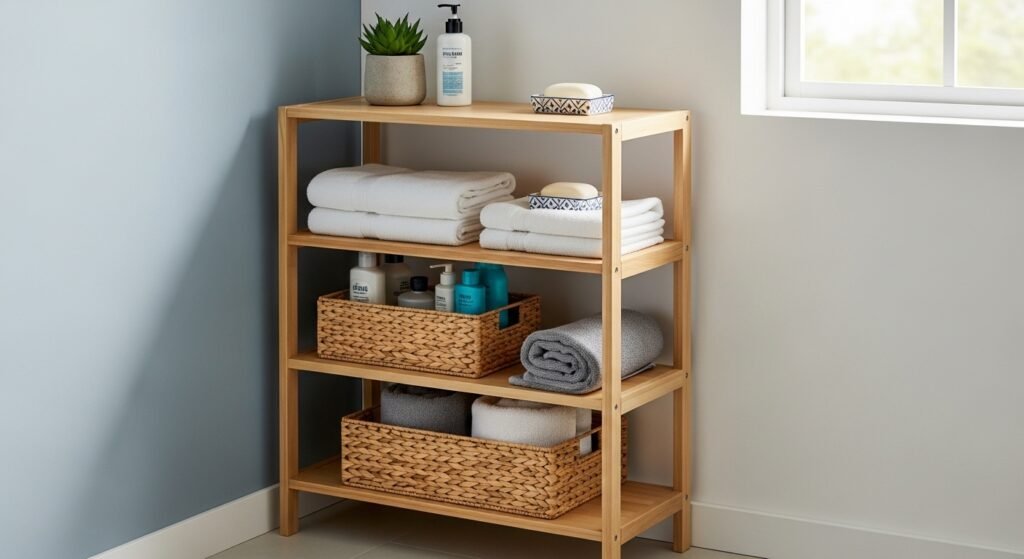
Freestanding storage units are often used in Japandi bathroom design, providing a sense of openness and flow in the space. These units can be used to store toiletries, towels, and other bathroom essentials, keeping the countertops clutter-free and minimalist.
16. Skylights
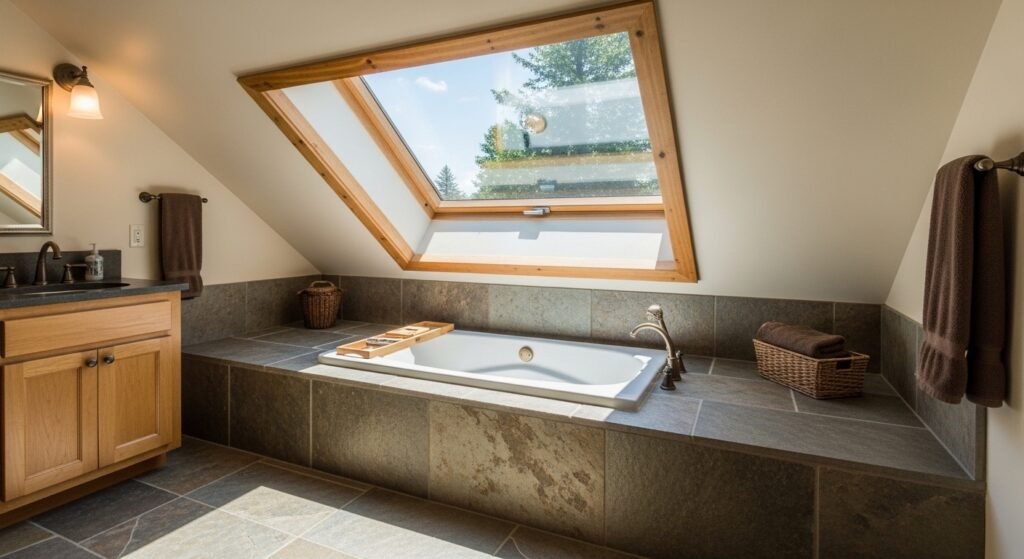
Skylights are a luxurious feature in Japandi bathroom design, providing natural light and a sense of connection to the outdoors. Skylights can be especially appealing in bathrooms with limited natural light, creating a bright and airy atmosphere.
17. Wall-Mounted Cabinets
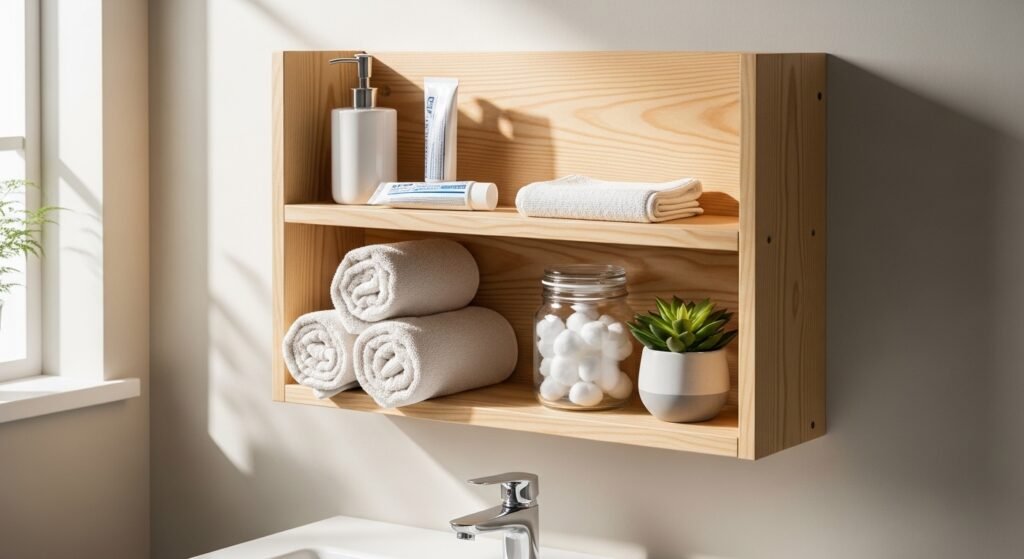
Wall-mounted cabinets are a characteristic feature of Japandi bathroom design, emphasizing minimalism and simplicity. These cabinets can be used to store toiletries, towels, and other bathroom essentials, keeping the countertops clutter-free and minimalist.
18. Simple Window Treatments
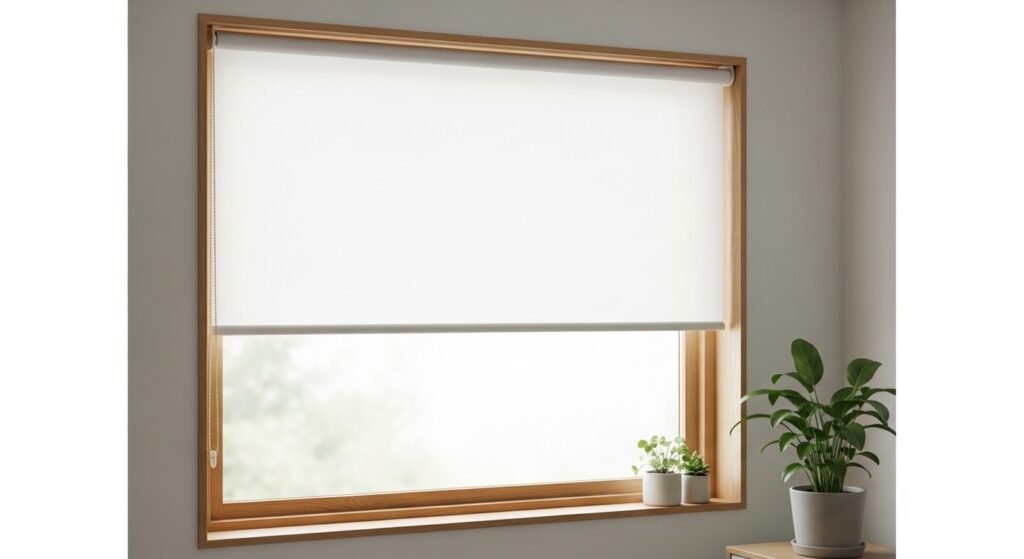
Simple window treatments like roller shades or plantation shutters are often used in Japandi bathroom design, emphasizing minimalism and simplicity. These treatments allow natural light to filter into the space while maintaining a sense of privacy and serenity.
19. Heated Towel Rails
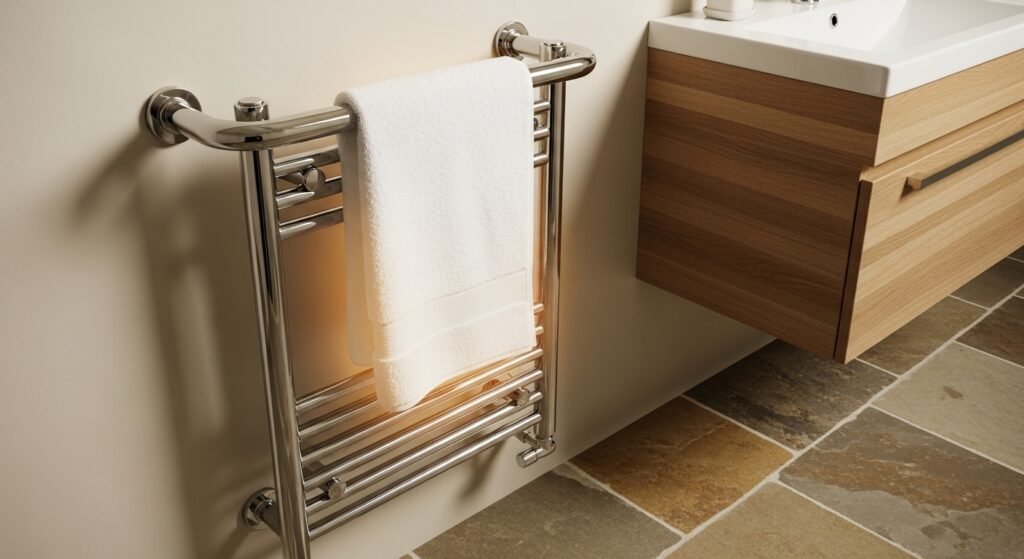
Heated towel rails are a luxurious feature in Japandi bathroom design, providing warmth and comfort after a bath or shower. Heated towel rails can be especially appealing in colder climates, creating a cozy and inviting atmosphere in the bathroom.
20. Organic Shapes
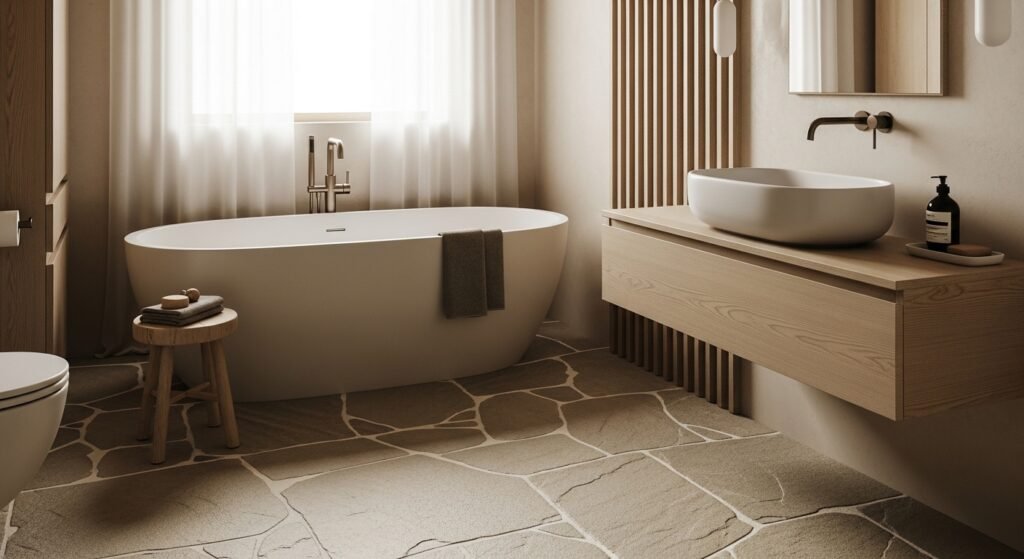
Organic shapes like rounded edges and curved lines are often used in Japandi bathroom design, adding a sense of warmth and texture to the space. These shapes can be used in fixtures, fittings, and accessories, creating a visually appealing contrast with the minimalist design elements.
21. Natural Materials
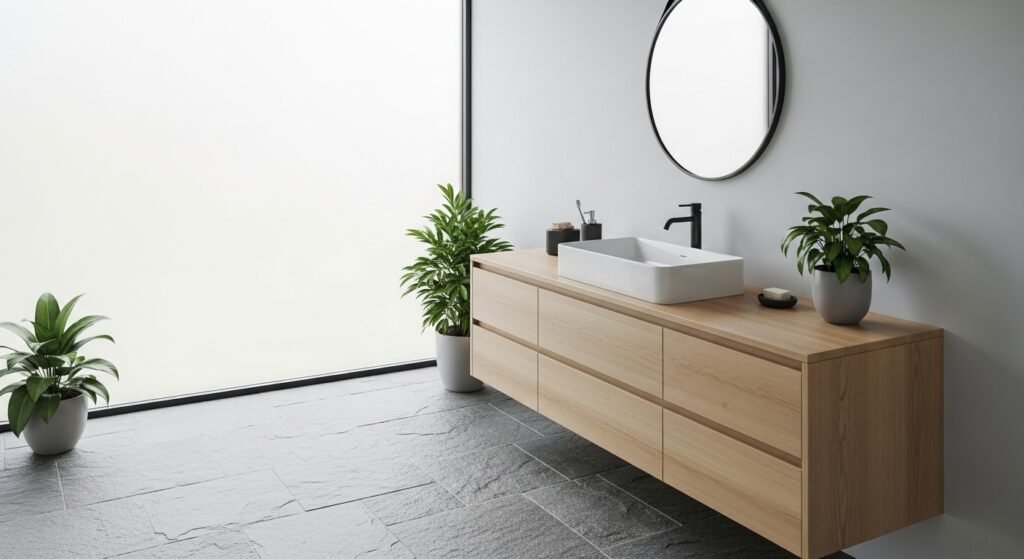
Natural materials like wood, stone, and bamboo are often used in Japandi bathroom design, adding warmth and texture to the space. These materials can be used for fixtures, fittings, and accessories, creating a sense of organic elegance and simplicity.
22. Minimalist Accessories
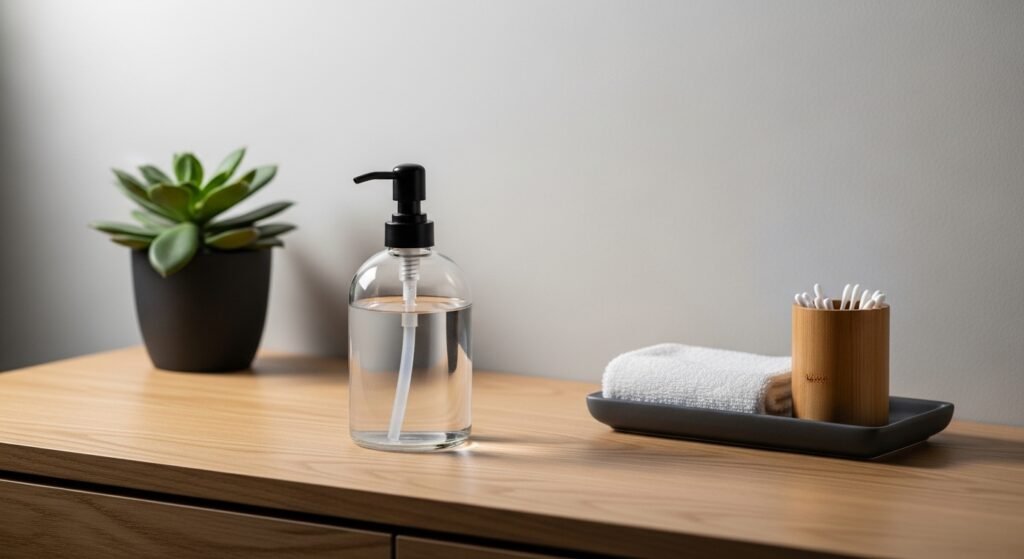
Minimalist accessories like simple soap dispensers and toothbrush holders are often used in Japandi bathroom design, emphasizing simplicity and functionality. These accessories create a sense of calmness and serenity, allowing the natural beauty of the materials to take center stage.
23. Large Windows
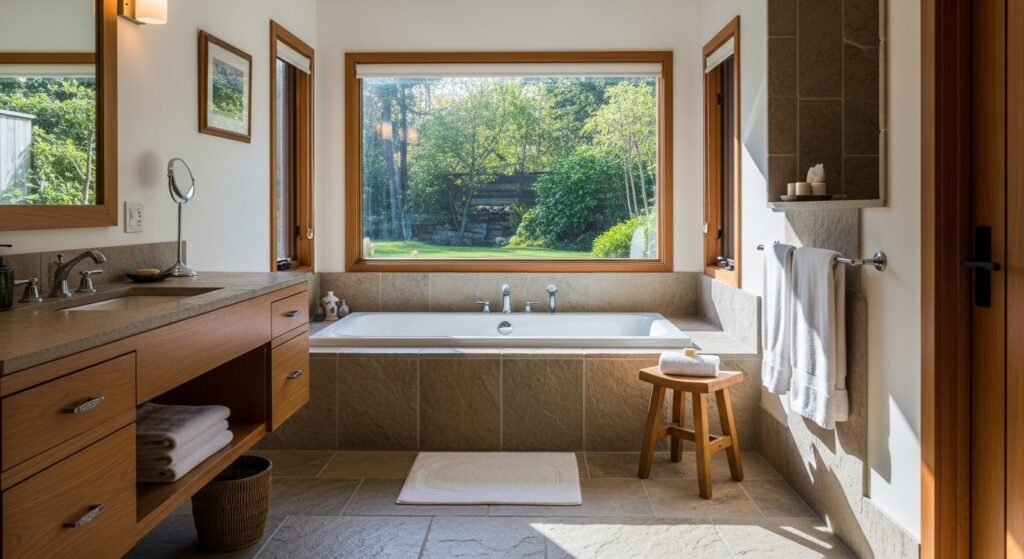
Large windows are a luxurious feature in Japandi bathroom design, providing natural light and a sense of connection to the outdoors. Large windows can be especially appealing in bathrooms with limited natural light, creating a bright and airy atmosphere.