

24 Winterize Your Garden Checklist for Easy Protection
Soft frost-kissed textures and layered natural elements create instant cold-season garden charm.
Intro
The most beautiful winter gardens are not abandoned landscapes waiting for spring—they are thoughtfully prepared sanctuaries layered with texture, protection, and quiet seasonal beauty. A well-planned winterize your garden checklist preserves delicate roots, shields outdoor furniture, nourishes soil, and ensures your space emerges healthier when warmer weather returns.
As temperatures drop, gardens shift into a softer mood. Terracotta darkens with patina, bare branches sculpt dramatic silhouettes against pale skies, and evergreen textures become the season’s quiet luxury. Winter preparation is less about perfection and more about preservation: insulating what matters, simplifying maintenance, and creating resilience beneath the frost.
Whether you care for a sprawling cottage garden, compact urban patio, raised beds, or a minimalist landscape, these winter garden protection ideas will help safeguard your outdoor space beautifully and efficiently. From mulching flower beds to protecting planters and draining irrigation lines, each detail contributes to a healthier, more elegant garden through the coldest months.
1. Mulch Garden Beds Before Frost
A thick layer of mulch acts like insulation for your soil.
Before the first hard frost arrives, spread bark mulch, shredded leaves, or straw around flower beds and shrubs to regulate temperature and retain moisture. Winterize your garden checklist routines often begin here because healthy roots depend on consistent soil protection.
Why it works: Mulch prevents rapid freeze-thaw cycles that can damage roots and weaken plants during winter.
Keep mulch a few inches away from stems to avoid trapped moisture and rot.
Styling Tip: Choose dark bark mulch for a rich, polished garden appearance throughout winter.

2. Protect Outdoor Furniture Properly
Winter moisture quietly damages beautiful outdoor furniture.
Clean all cushions, wipe down wood and metal surfaces, and use breathable weather-resistant covers before temperatures plunge. Thoughtful protection extends the life of outdoor pieces dramatically.
Why it works: Snow, ice, and trapped moisture accelerate cracking, rust, and fading.
Store cushions indoors whenever possible for better preservation.
Styling Tip: Neutral canvas covers keep patios looking clean and elegant even in winter.

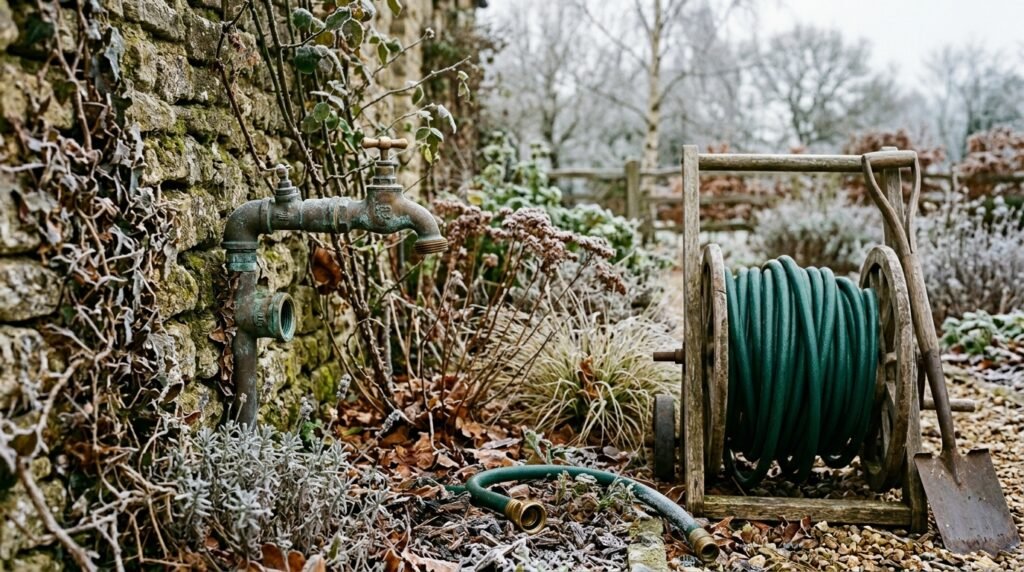
3. Drain Irrigation Systems Completely
Frozen pipes can create costly spring repairs.
Drain irrigation systems, hoses, fountains, and outdoor taps fully before freezing weather settles in. This essential winterize your garden checklist step prevents cracked lines and water damage.
Why it works: Standing water expands when frozen, causing pipes and fittings to split.
Disconnect hoses entirely and store them indoors if possible.
Styling Tip: Hide exposed faucets with decorative insulated covers in muted tones.
4. Wrap Delicate Shrubs and Trees
Some plants need an extra layer of winter defense.
Use burlap wraps or frost cloth around delicate shrubs, hydrangeas, and young trees exposed to harsh wind or heavy snow.
Why it works: Wrapping protects against winter burn, ice damage, and drying winds.
Secure wraps loosely so air can circulate naturally.
Styling Tip: Natural burlap blends beautifully into winter landscapes.

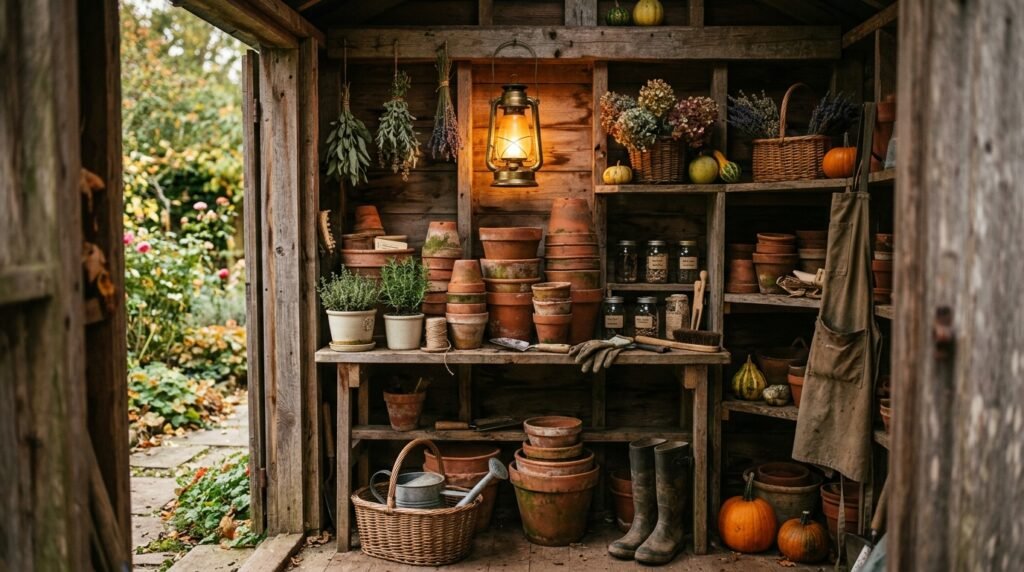
5. Store Terracotta Pots Indoors
Terracotta cracks easily when exposed to freezing moisture.
Empty ceramic and terracotta planters before winter and move them into a shed, garage, or covered storage space.
Why it works: Preventing trapped moisture inside pots reduces cracking and surface damage.
Clean containers thoroughly before storing them.
Styling Tip: Stack pots beside reclaimed wood shelving for a charming garden-shed aesthetic.
6. Add Compost Before Winter
Winter is the perfect season to feed the soil quietly.
Spread compost over empty garden beds before freezing temperatures settle deeply into the ground.
Why it works: Nutrients slowly break down through winter, enriching the soil naturally for spring planting.
Organic compost also improves moisture retention and soil structure.
Styling Tip: Use dark compost against pale gravel for beautiful seasonal contrast.
7. Prune Only What Needs Attention
Over-pruning before winter can weaken plants unnecessarily.
Focus only on removing dead, diseased, or damaged branches rather than aggressive shaping.
Why it works: Selective pruning prevents stress while improving airflow and plant health.
Avoid pruning spring-flowering shrubs too heavily before dormancy.
Styling Tip: Use matte black pruning tools for a timeless gardener’s aesthetic.

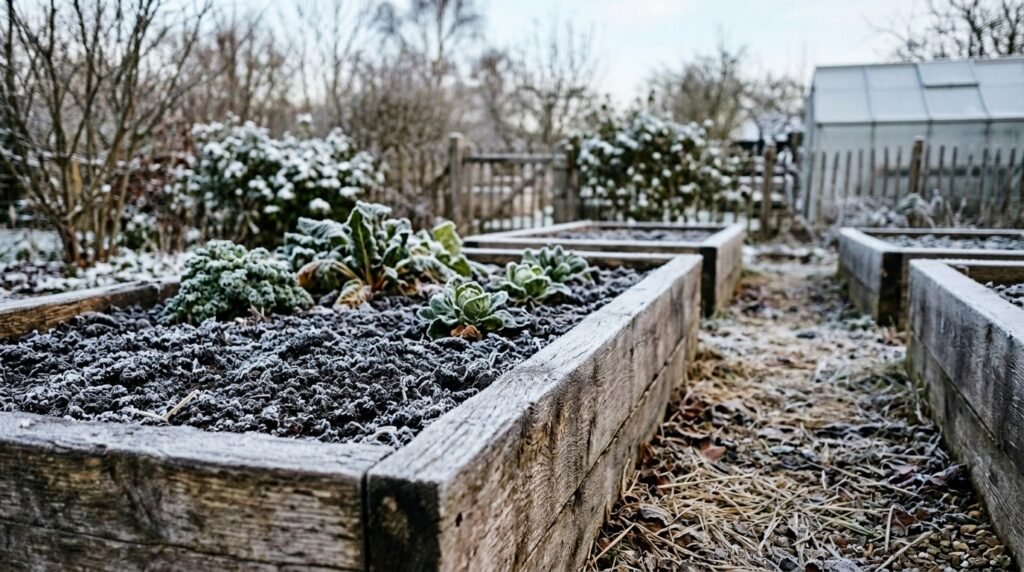
8. Protect Raised Garden Beds
Raised beds lose warmth faster during winter months.
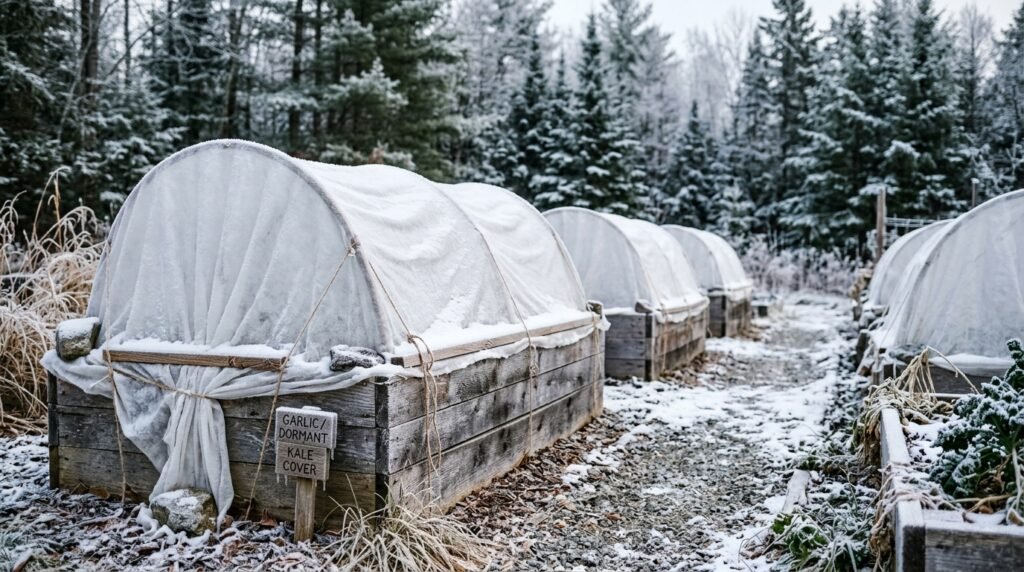
Cover beds with mulch, straw, or protective fabric to preserve soil health and prevent erosion.
Why it works: Insulated beds recover faster and remain healthier into spring.
Cold frames can also extend winter growing seasons beautifully.
Styling Tip: Use weathered wood raised beds for timeless visual warmth.
9. Bring Sensitive Plants Inside
Tropical plants rarely survive harsh frost outdoors.
Move citrus trees, herbs, and delicate potted plants indoors before nighttime temperatures drop too low.
Why it works: Indoor shelter prevents irreversible cold damage.
Position plants near bright windows with stable temperatures.
Styling Tip: Use woven baskets or aged ceramic pots indoors for a softer transition.

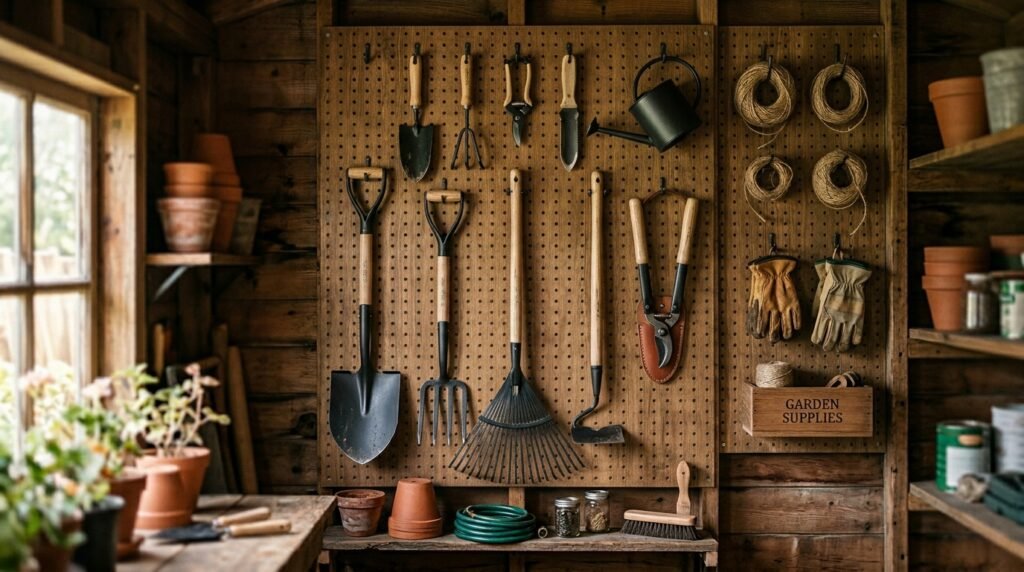
10. Clean and Store Garden Tools
Well-maintained tools last dramatically longer.
Clean dirt from shovels, pruners, and hand tools before storing them in dry indoor spaces for winter.
Why it works: Moisture and debris accelerate rust and deterioration.
Apply light oil to metal blades before storage.
Styling Tip: Hang tools neatly on dark wood pegboards for a curated utility-room look.
11. Cover Vulnerable Plants Overnight
Unexpected frost can damage plants surprisingly quickly.
Keep frost cloths or lightweight blankets nearby for sudden cold snaps.
Why it works: Temporary coverings trap warmth and reduce frost exposure overnight.
Remove coverings during sunny daytime hours.
Styling Tip: Neutral linen-colored frost cloths feel softer visually than plastic covers.

12. Refresh Gravel and Pathways
Winter pathways should remain functional and visually clean.
Rake gravel, remove weeds, and repair uneven stepping stones before freezing weather arrives.
Why it works: Well-maintained paths reduce slipping hazards and improve drainage.
Fresh gravel also brightens dormant landscapes beautifully.
Styling Tip: Choose warm-toned gravel for a softer winter garden palette.

13. Winterize Water Features
Frozen fountains can crack and deteriorate quickly.
Drain water features fully and remove pumps before prolonged freezing temperatures begin.
Why it works: Protecting mechanical components prevents expensive repairs later.
Cover smaller fountains with breathable weatherproof material.
Styling Tip: Empty stone fountains still create beautiful sculptural winter focal points.

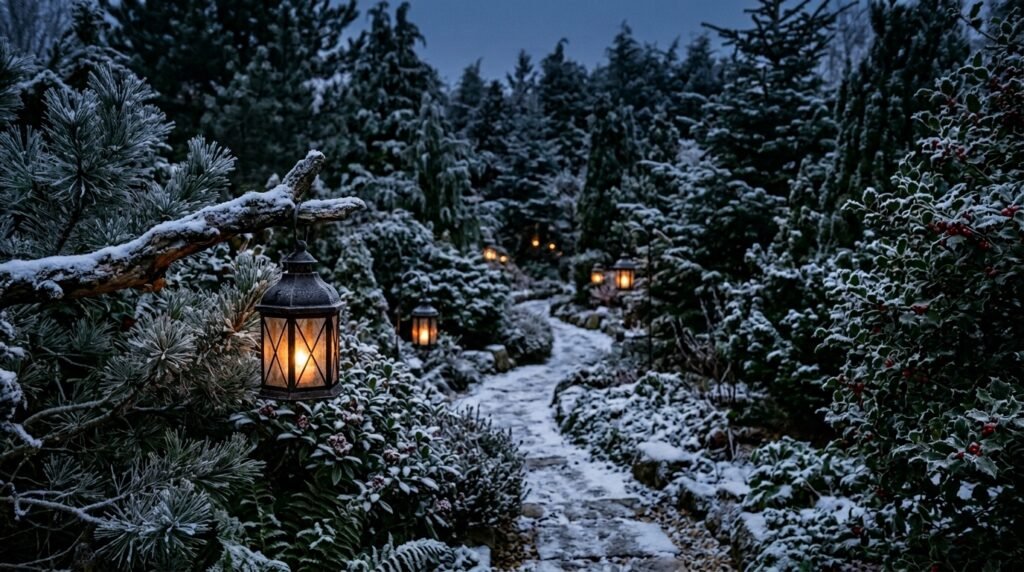
14. Add Evergreen Layers for Structure
Evergreens keep gardens visually alive through winter.
Layer boxwoods, cedar, juniper, and pine into borders to maintain shape and texture during colder months.
Why it works: Evergreen structure prevents landscapes from feeling empty after leaves disappear.
Mixed textures create depth even in snow-covered gardens.
Styling Tip: Pair evergreen forms with warm lantern lighting for winter atmosphere.
Conclusion
Preparing your outdoor space before winter arrives is one of the most rewarding forms of seasonal care. A thoughtful winterize your garden checklist protects not only plants and pathways, but also the atmosphere and long-term beauty of your landscape. Layered mulch, evergreen structure, carefully stored planters, and softly weathered textures create a garden that still feels intentional even beneath frost and gray skies.
The goal is not to erase winter’s quiet mood, but to support it gracefully. Organic materials, practical protection, and timeless landscaping details allow gardens to rest beautifully while preparing for renewal beneath the surface. When spring eventually returns, the effort invested now reveals itself in healthier soil, stronger roots, and a landscape ready to flourish again.
A protected winter garden is more than maintenance—it is preservation wrapped in seasonal elegance.