22 Stunning Home Ideas Inspired by the Opera Aesthetic
The opera aesthetic is interior design in a low, velvety register: jewel-box rooms, chiaroscuro shadows, and that unmistakable hush right before the curtain rises. It borrows from grand European theaters—ornament, patina, gilding—then translates the mood into practical moves you can repeat at home: color drenching, heavy velvet drapery, statement lighting, historical pattern, and layered glow. The sample inspiration leans on these same pillars—deep color, velvet curtains, chandeliers, damask/rococo pattern, gilded mirrors, boiserie molding, gallery walls, and warm ambient lighting, and Persian/Oriental rugs.
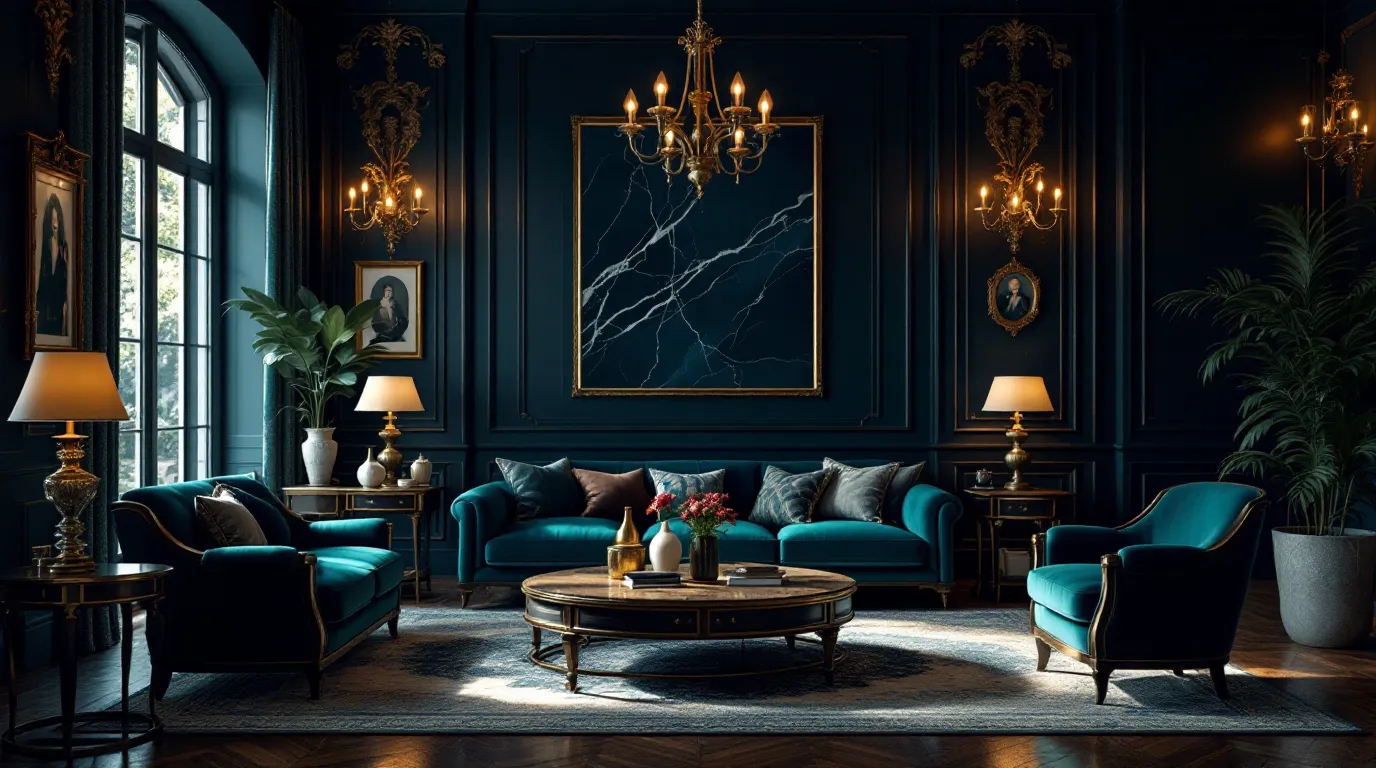
1. Color-Drench a Jewel-Box Room {#1-color-drench-a-jewel-box-room}
Make the walls disappear into one lush, theatrical note.
What it is: painting walls, trim, and even the ceiling in one saturated shade (oxblood, midnight blue, emerald). Why it works: the opera aesthetic is about immersion—color drenching creates a cocoon where brass and art gleam like stage jewels. How to style it: use matte/eggshell on walls and the same color in satin on molding for subtle dimension. Add antique brass hardware, a gilt mirror, and art in dark frames to sharpen the contrast. Keep “white” to warm ivory only—cold white kills the hush.
Styling Tip: Put every main light on a dimmer before you buy another accessory.
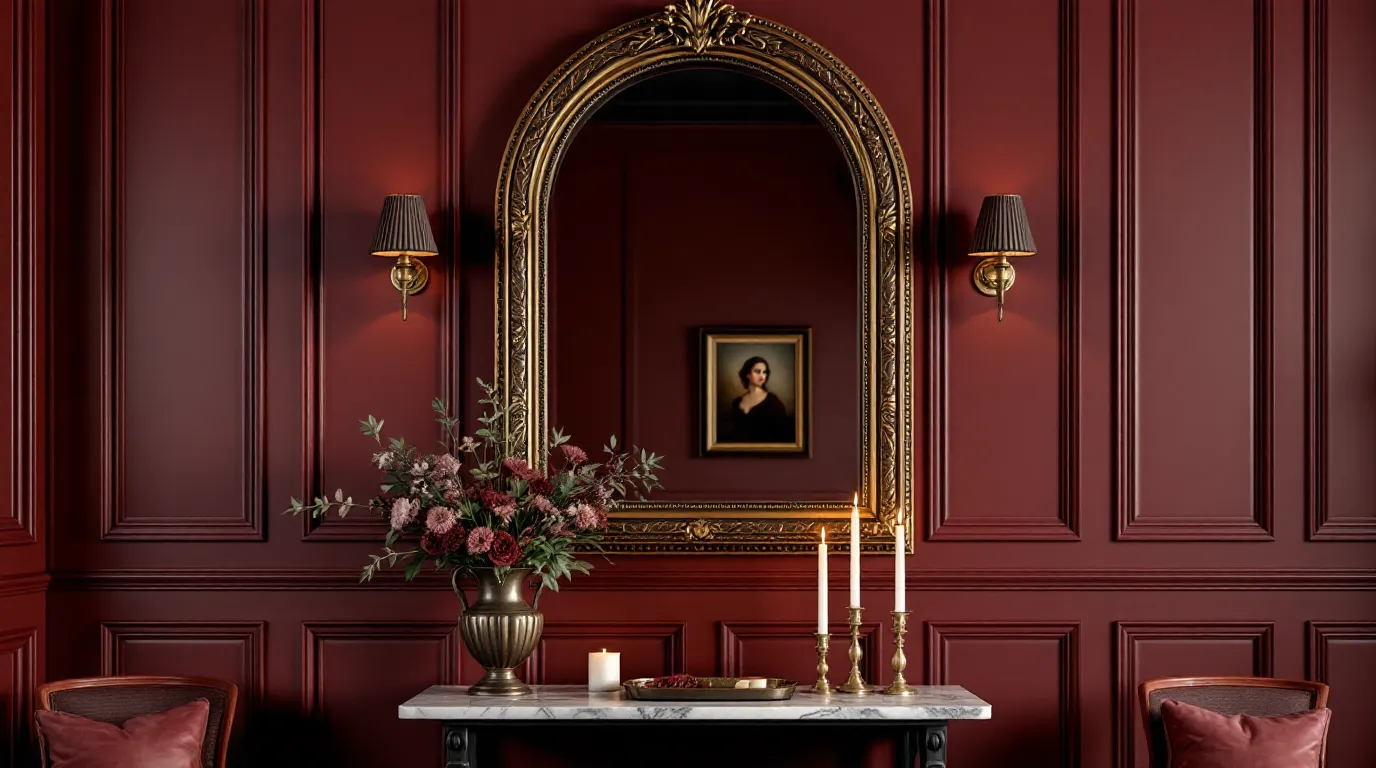
2. Velvet Drapes That Feel Like Stage Curtains {#2-velvet-drapes-that-feel-like-stage-curtains}
The room instantly quiets—visually and acoustically.
What it is: floor-to-ceiling velvet drapes hung high, wide, and heavy enough to “swoosh.” Why it works: velvet is opera-core—absorbing light, amplifying depth, and giving windows the presence of a proscenium. How to style it: install a double rod with sheer panels behind for daytime softness and velvet in front for nighttime drama. Choose jewel tones (ruby, sapphire, emerald) and pair with antique brass or aged bronze hardware. Add tassel tiebacks only if your room is already edited elsewhere.
Styling Tip: Hang rods 6–10 inches above the window frame to fake taller ceilings.
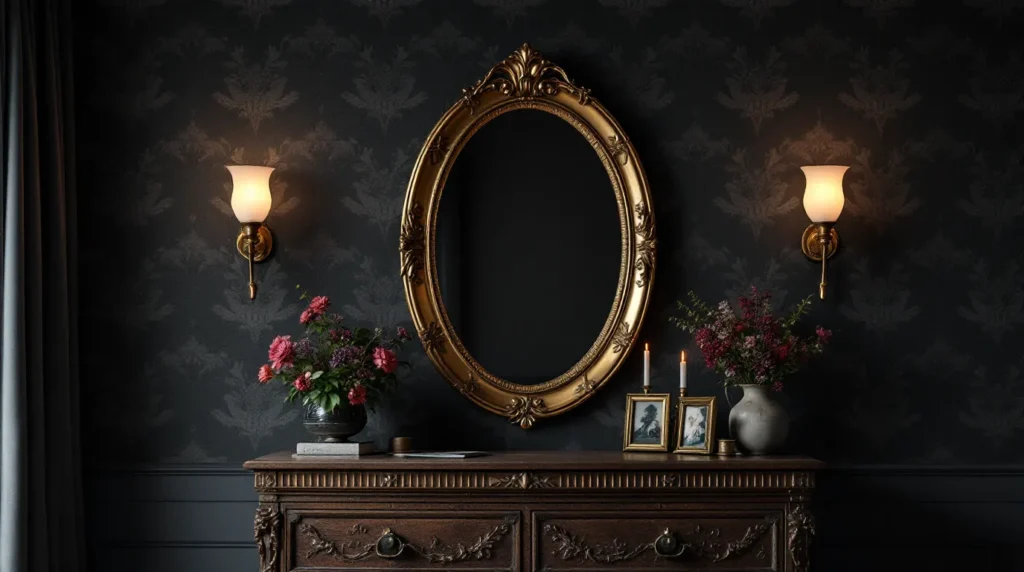
3. A Statement Crystal Chandelier (Your Crown Jewel) {#3-a-statement-crystal-chandelier-your-crown-jewel}
One ceiling piece that conducts the entire room.
What it is: a chandelier with crystal, brass arms, or antique-inspired glasswork. Why it works: in theaters, the chandelier signals ceremony; in the opera aesthetic home, it anchors the mood overhead. How to style it: add a ceiling medallion, choose warm bulbs (2700K), and install a dimmer—always. Pair with sconces so you’re never relying on harsh overhead light. Repeat the metal finish in cabinet pulls or mirror frames to keep the story cohesive.
Styling Tip: Let the chandelier sparkle; keep lampshades tailored and simple.
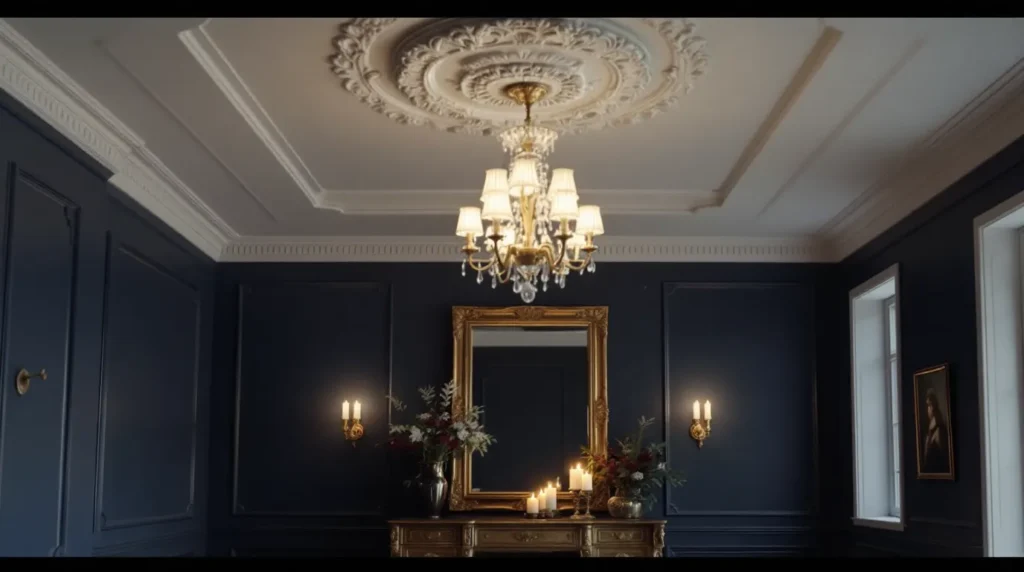
4. Damask & Rococo Pattern in Shadowy Colourways {#4-damask–rococo-pattern-in-shadowy-colourways}
Pattern that reads like history, not clutter.
What it is: damask, brocade, or Rococo florals—preferably dark-on-dark (black/charcoal, gold/navy). Why it works: the opera aesthetic thrives on historic ornament; wallpaper turns your wall into scenery. How to style it: keep the surrounding pieces simpler—solid velvet upholstery, tailored shades, one sculptural mirror. Use sconces to rake light across the pattern and create depth. A powder room is the perfect place to go bold without overwhelm.
Styling Tip: If the walls are patterned, keep your major textiles mostly solid.
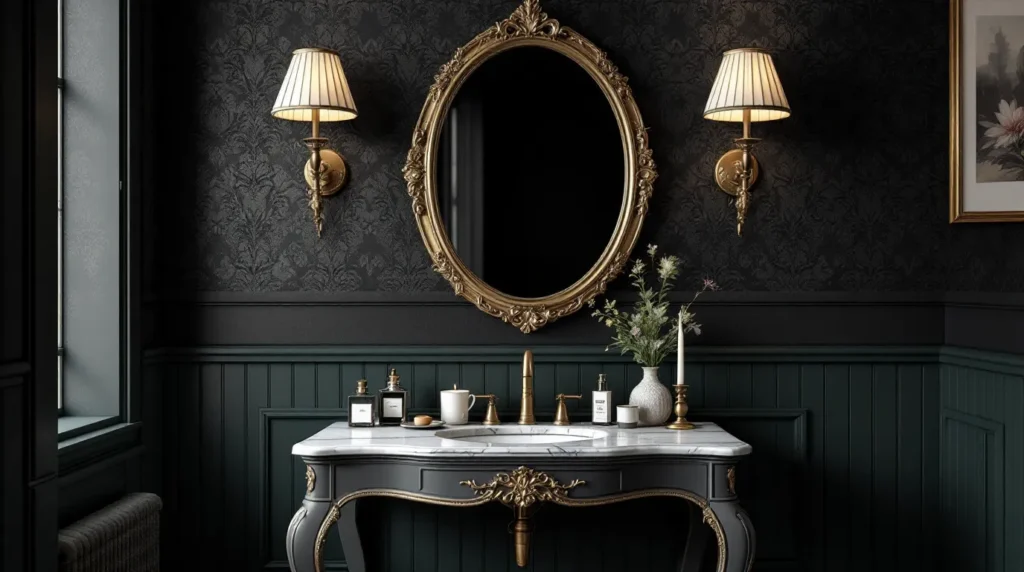
5. Gilded Mirrors to Multiply Candlelight {#5-gilded-mirrors-to-multiply-candlelight}
Reflection is the oldest luxury trick—and it still works.
What it is: an oversized mirror with an ornate gold frame (arched, oval, baroque). Why it works: the opera aesthetic depends on glow; mirrors bounce lamplight and candlelight, doubling the mood without doubling the objects. How to style it: place a mirror opposite a lamp or sconce, anchor it with a lacquered or marble-topped console, and keep styling sculptural—candlesticks, one floral arrangement, a stack of art books. Choose antiqued gilding for believable patina.
Styling Tip: If your mirror is ornate, keep the surrounding art simpler and darker.
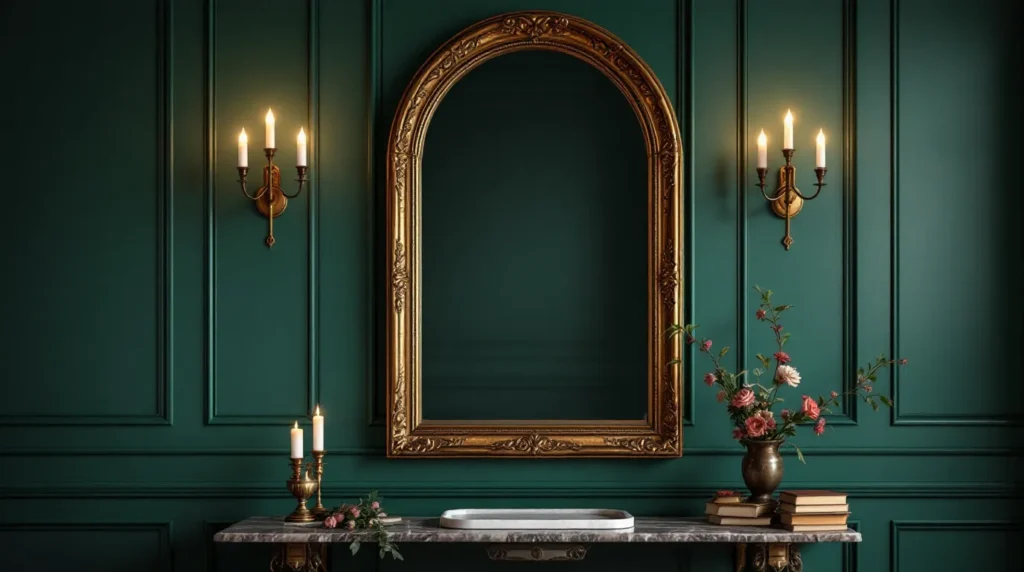
6. Boiserie Walls: Wainscoting + Picture-Frame Molding {#6-boiserie-walls-wainscoting–picture-frame-molding}
Instant “old-world bones” without moving walls.
What it is: architectural molding—wainscoting, picture-frame trim, crown molding—creating shadow lines and structure. Why it works: opera aesthetic rooms feel built, not just decorated; boiserie gives you that theater-box elegance. How to style it: paint molding the same color as the walls for modern cohesion, then add symmetrical sconces to create rhythm like a grand corridor. Finish with antique hardware and a vintage runner.
Styling Tip: Measure for symmetry—center sconces within panels whenever possible.
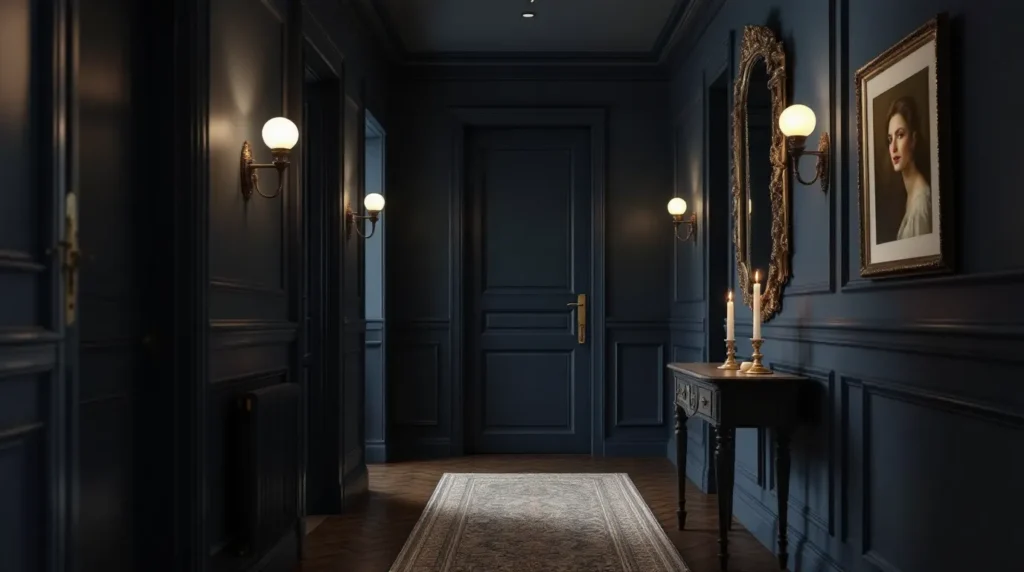
7. A Dramatic Bedscape in Velvet, Silk, and Brocade {#7-a-dramatic-bedscape-in-velvet-silk-and-brocade}
Your bed becomes the leading role.
What it is: a tall headboard (tufted velvet is perfect) plus layered textiles—silk, velvet, faux fur, brocade accents. Why it works: the opera aesthetic is sensorial; the bedscape is where you feel the “luxury” most. How to style it: start with jewel-tone velvet, add crisp sheets, then layer velvet quilt/duvet, a faux-fur throw, and one brocade pillow. Frame the bed with symmetrical sconces and keep the wall color deep for intimacy.
Styling Tip: Keep prints minimal; let texture be the drama.
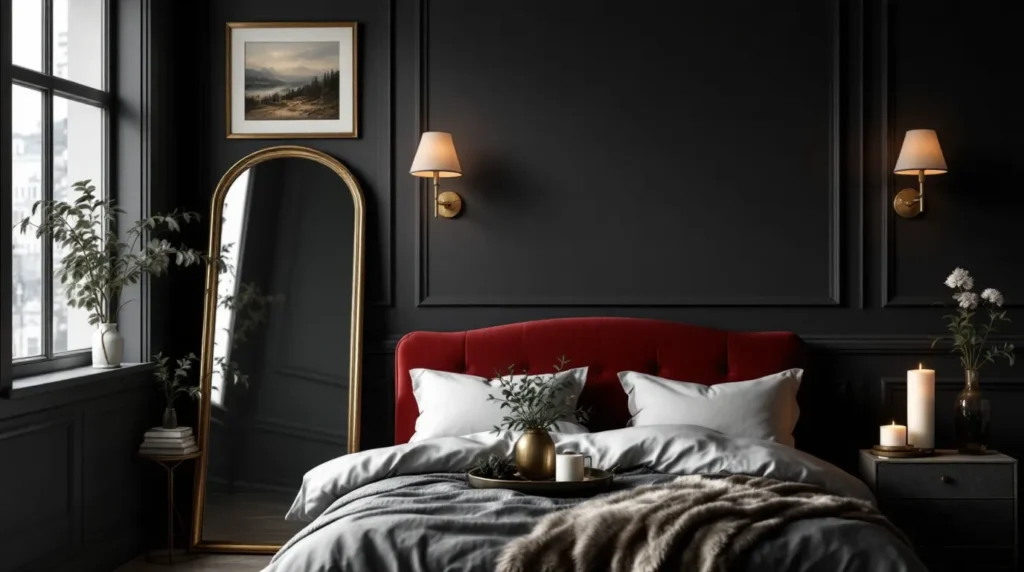
8. Dutch Masters–Mood Gallery Wall {#8-dutch-mastersmood-gallery-wall}
Collected art that feels like a theater corridor.
What it is: a salon-style gallery wall of portraits, landscapes, and botanical oil-painting energy. Why it works: the opera aesthetic is narrative; moody art makes a room feel storied and intentional. How to style it: mix frames (gilt, dark wood, black), keep the art tonally cohesive (deep backgrounds, warm highlights), and add a picture light above the “hero” frame. Keep spacing tight for that lush, curated density.
Styling Tip: Lay your arrangement on the floor first and photograph it before hanging.
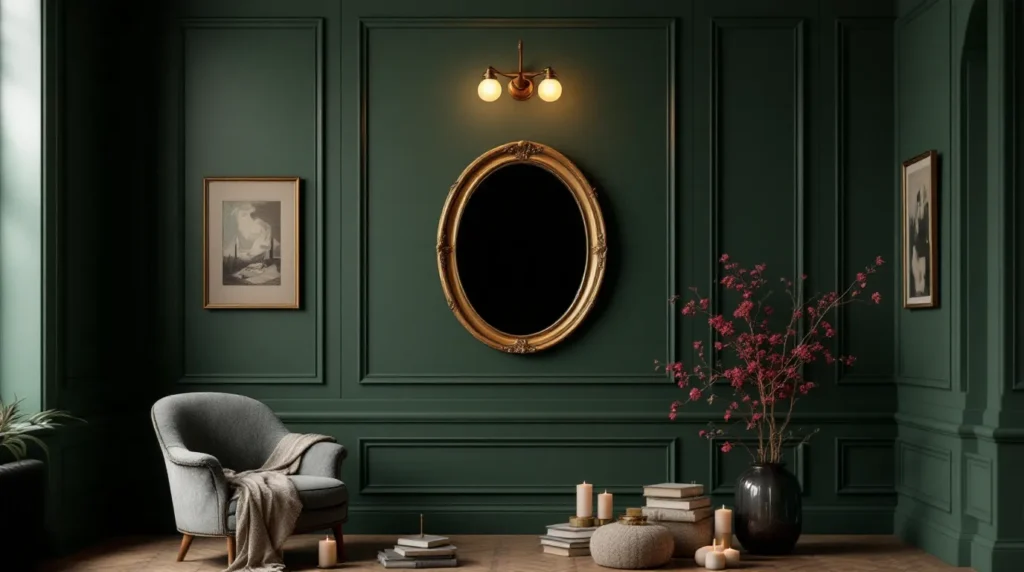
9. Low, Layered Lighting for Chiaroscuro {#9-low-layered-lighting-for-chiaroscuro}
No harsh glare—only pools of glow and shadow.
What it is: a lighting scheme built from sconces, lamps, and candlelight—never a single overhead blast. Why it works: opera aesthetic rooms rely on chiaroscuro; layered light makes the space feel cinematic and intimate. How to style it: choose warm bulbs (2700K or lower), use fabric shades, and put sconces on dimmers. Add a mirror to reflect lamplight and a candle cluster to soften edges.
Styling Tip: Aim for three heights of light: candle (low), lamp (mid), sconce/chandelier (high).
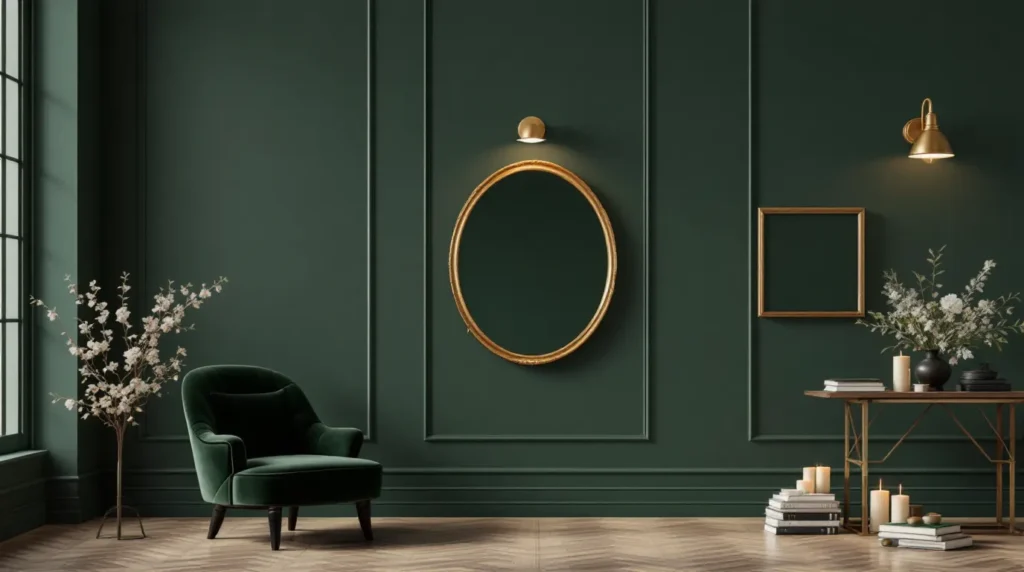
10. Persian/Oriental Rugs as the Foundation {#10-persianoriental-rugs-as-the-foundation}
Heritage underfoot—like a low, steady overture.
What it is: a worn Persian/Oriental rug with deep reds, indigo, and muted golds—preferably with a soft fade. Why it works: opera aesthetic interiors need grounding; rugs add history, warmth, and visual anchoring beneath dark walls and velvet. How to style it: size up so front furniture legs sit on the rug, then echo one rug color in pillows or art. Layer it over carpet if needed for instant definition.
Styling Tip: If you already have patterned walls, choose a more “washed” rug to avoid visual noise.
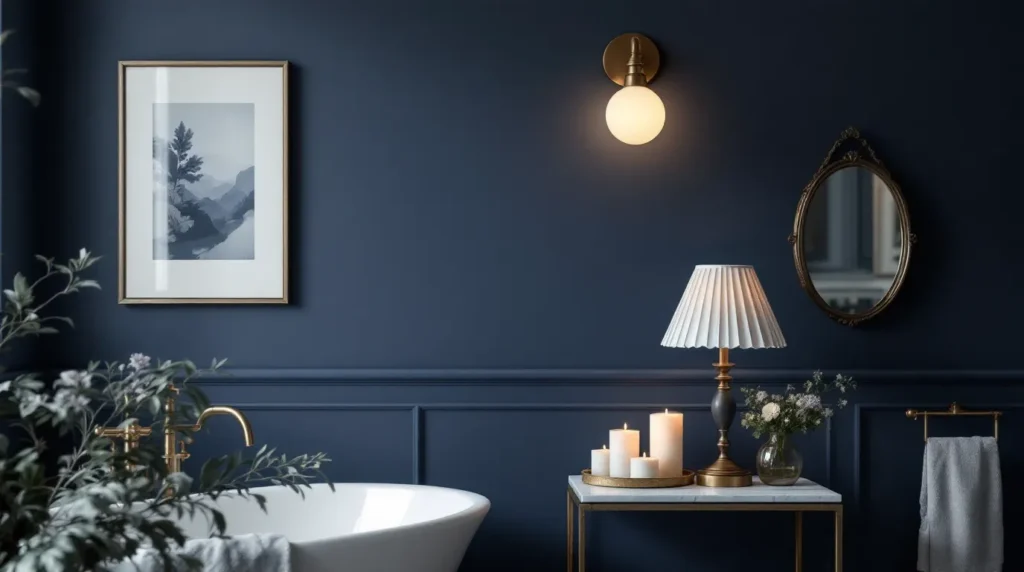
11. Lacquer One Piece for Glossy Night Drama {#11-lacquer-one-piece-for-glossy-night-drama}
A single reflective surface makes darkness look intentional.
What it is: one lacquered piece—console, credenza, nightstand—in black or a deep jewel tone. Why it works: lacquer behaves like a soft mirror; it catches lamplight and adds depth without adding more pattern. How to style it: pair with marble (tray, tabletop), ornate brass hardware, and a single sculptural lamp. Keep the top styled with restraint: books, one candle cluster, one floral note.
Styling Tip: Glossy furniture needs breathing room—leave negative space to feel luxe.
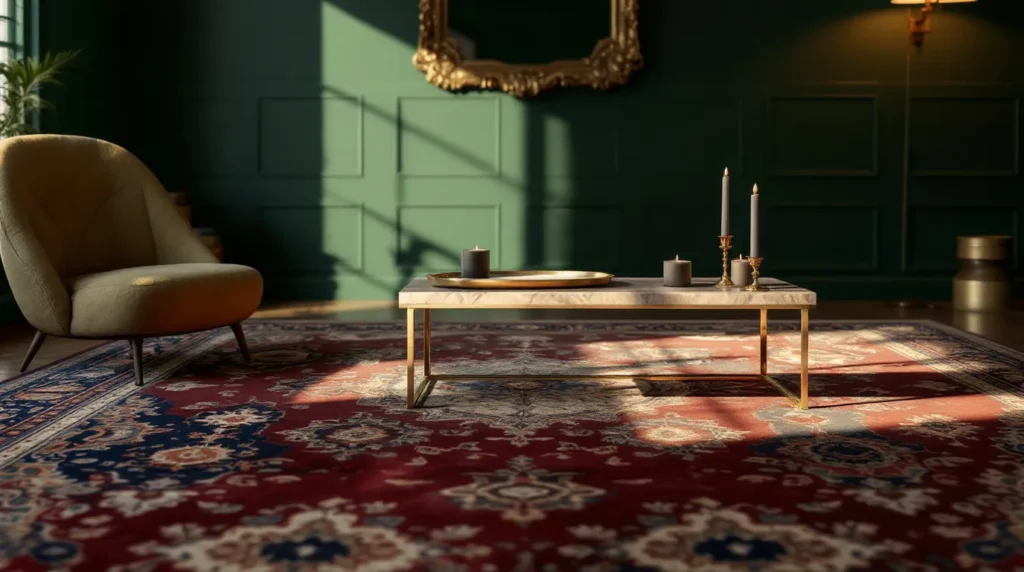
12. Art Nouveau Curves to Soften the Drama {#12-art-nouveau-curves-to-soften-the-drama}
Romance in the silhouette—less severity, more melody.
What it is: organic, flowing lines—arched mirrors, curvy console legs, floral metalwork. Why it works: opera aesthetic can skew heavy; Art Nouveau adds fluidity and movement, like a line of music through the room. How to style it: pick one hero curve (mirror or console), repeat it once (sconce arm, lamp base), and keep everything else tailored. Pair with deep paint and warm brass so the curves glow instead of disappearing.
Styling Tip: If your walls are patterned, let curves replace additional pattern elsewhere.
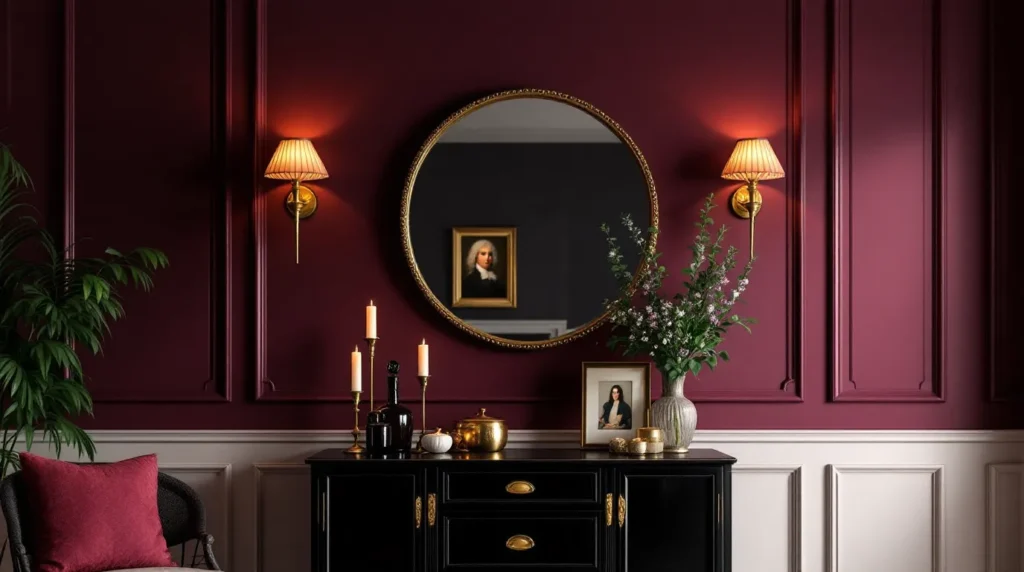
13. A Backstage-Style Powder Room Moment {#13-a-backstagestyle-powder-room-moment}
Powder-room drama that feels like a dressing room between acts.
What it is: a moody powder room with dark walls, flattering sconces, and a vintage-feeling mirror. Why it works: small spaces hold intensity beautifully; opera aesthetic design becomes instantly believable when lighting is warm and close. How to style it: use beadboard or wainscoting, add a marble sink or console, install sconces at face height, and choose aged metals that patina over time. Finish with one tiny portrait and candles for a “backstage glow” effect.
Styling Tip: If you’re nervous, start with dark wainscoting and go bold above later.
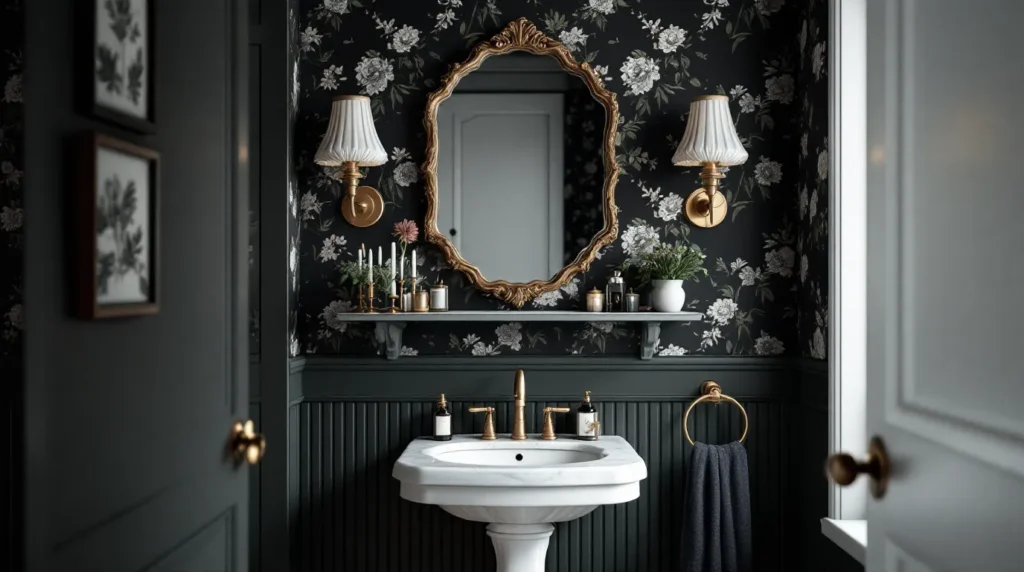
14. A “Private Box Seat” Reading Nook {#14-a-private-box-seat-reading-nook}
A corner that feels like velvet balcony seating—just for you.
What it is: a dedicated nook with a velvet chair, petite marble table, and a swing-arm sconce. Why it works: opera aesthetic rooms are built from moments; a reading nook becomes a “scene” inside the larger set. How to style it: choose sapphire or wine velvet, add a small marble-top table with brass base, install a swing-arm sconce, and hang one moody portrait nearby. Finish with candles and a textured throw for softness.
Styling Tip: Angle the chair toward the room (facing the “stage”), not into the corner.
Conclusion
The opera aesthetic is not about living in a museum—it’s about living in atmosphere. Choose one bold foundation (color drenching, velvet drapes, or a chandelier on a dimmer), then layer the supporting cast: warm sconces, gilded reflections, historical pattern, and textures that beg to be touched. Keep your palette disciplined, let metals age into patina, and allow shadow to exist—because shadow is where the romance lives. When the room finally glows at night—like a theater settling into silence—you’ll know you’ve captured it: a home that feels like a private box seat, waiting for the curtain to rise.