21 Very Small Bedroom Ideas That Feel Surprisingly Big
Transforming a cramped sleeping quarter into a serene sanctuary is more than just a decor challenge; it is an exercise in strategic planning and visual trickery. When square footage is at a premium, every inch must be curated with purpose, balancing functionality with an aesthetic that breathes life into the room. This guide explores how to manipulate light, shadow, and furniture scale to break the boundaries of your four walls. By focusing on verticality and multi-functional elements, you can create a layout that feels airy and expansive. Whether you are dealing with a tiny city apartment or a narrow guest room, these design secrets will help you unlock hidden potential. Embrace the art of minimalism and clever organization to make your very small bedroom feel surprisingly big and undeniably stylish. Let these innovative concepts inspire your next home renovation project.
1. The Classic Murphy Bed
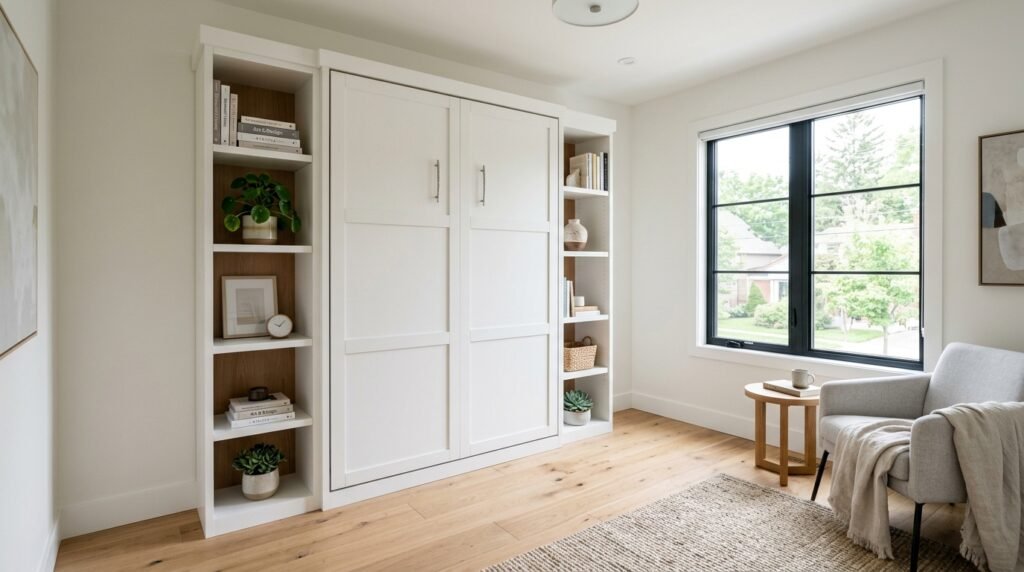
The Murphy bed is a legendary space-saver that serves as the ultimate game-changer for tiny bedrooms where floor space is a luxury. By folding the bed into a sleek cabinet during the day, you can reclaim the center of the room for yoga, a home office, or simply to improve the flow of movement. Modern designs are incredibly sophisticated, often featuring integrated shelving or desks that remain accessible even when the bed is hidden. This versatility ensures that your sleeping area serves multiple functions without ever feeling overcrowded or messy. It is the perfect solution for those who want a full-sized bed without sacrificing their daytime living area. Investing in a high-quality mechanism makes the transition seamless and effortless for daily use. This approach is ideal for studio apartments or multi-purpose guest rooms.
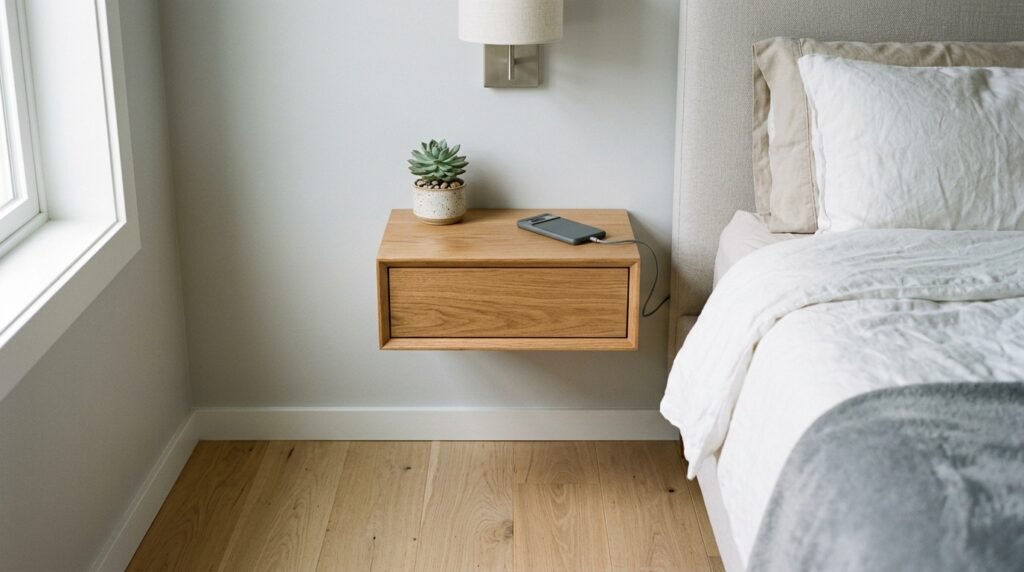
2. Floating Nightstands
Floating nightstands are an excellent way to keep your bedroom floor clear, which instantly creates the illusion of more square footage. By eliminating legs, these wall-mounted units allow the eye to travel all the way to the corners of the room, making the boundaries feel less restrictive. They provide just enough surface area for your essentials like a phone, water, and a book without the bulk of a traditional bedside table. This design choice contributes to a minimalist aesthetic that is essential for preventing a small room from feeling claustrophobic. You can find them in various materials to match your decor, from rustic wood to modern metal. Keeping the area underneath clear also makes cleaning much easier, further maintaining a fresh and open atmosphere. It is a subtle change that yields significant visual results.
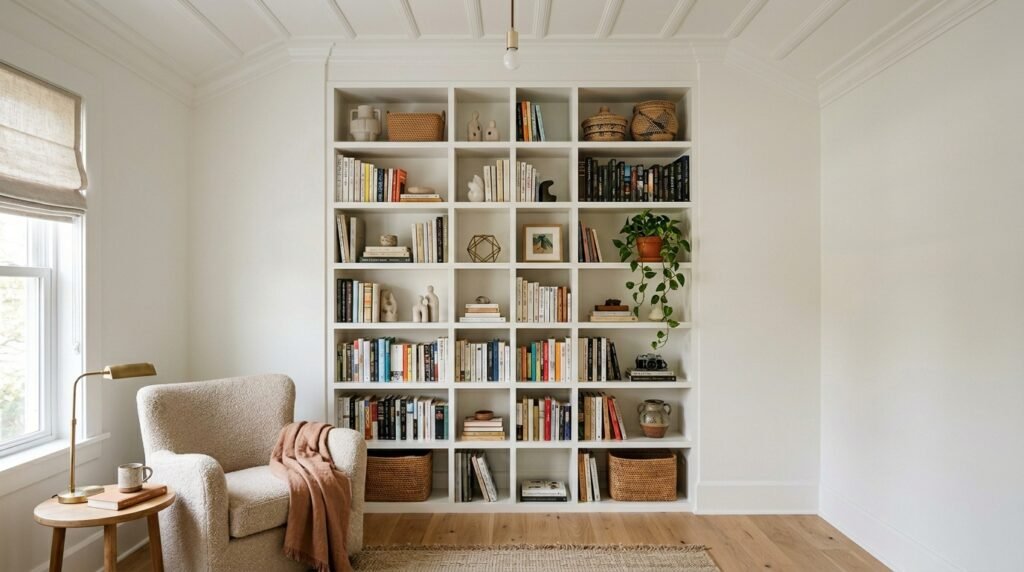
3. Floor-to-Ceiling Vertical Shelving
When horizontal space is limited, the only way to go is up, and floor-to-ceiling shelving is the perfect tool for the job. By utilizing the full height of your walls, you maximize storage capacity for books, decor, and storage bins without encroaching on the floor. This vertical orientation draws the eye upward, which trickily makes the ceiling appear higher than it actually is. Custom-built units that match the wall color can blend seamlessly into the architecture, preventing the room from looking busy. You can use the higher shelves for items you rarely need, keeping the daily essentials at eye level. This strategy turns a plain wall into a functional and decorative feature that adds character to the space. It is a sophisticated way to manage clutter while showcasing your personal style effectively.
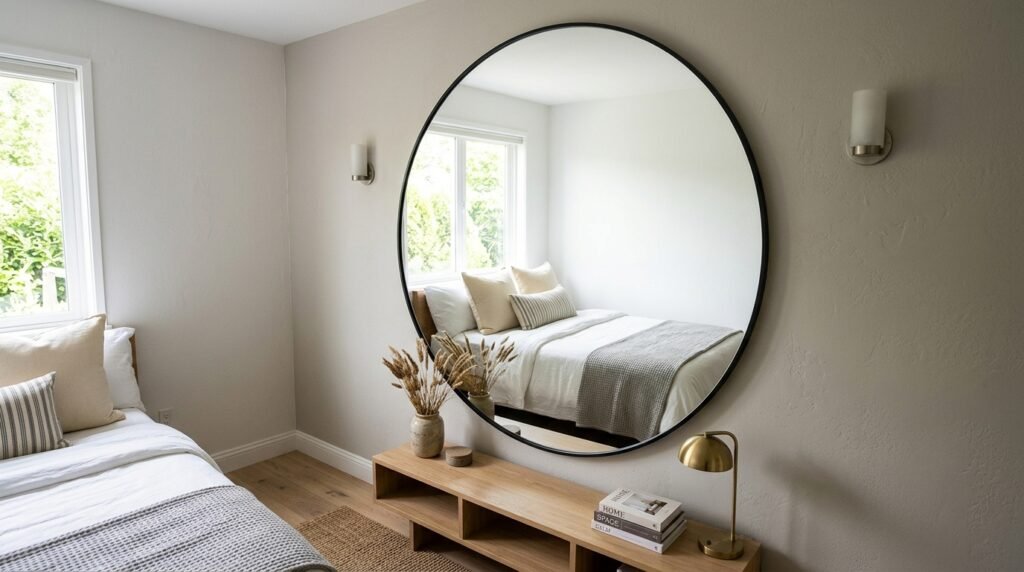
4. Oversized Wall Mirrors
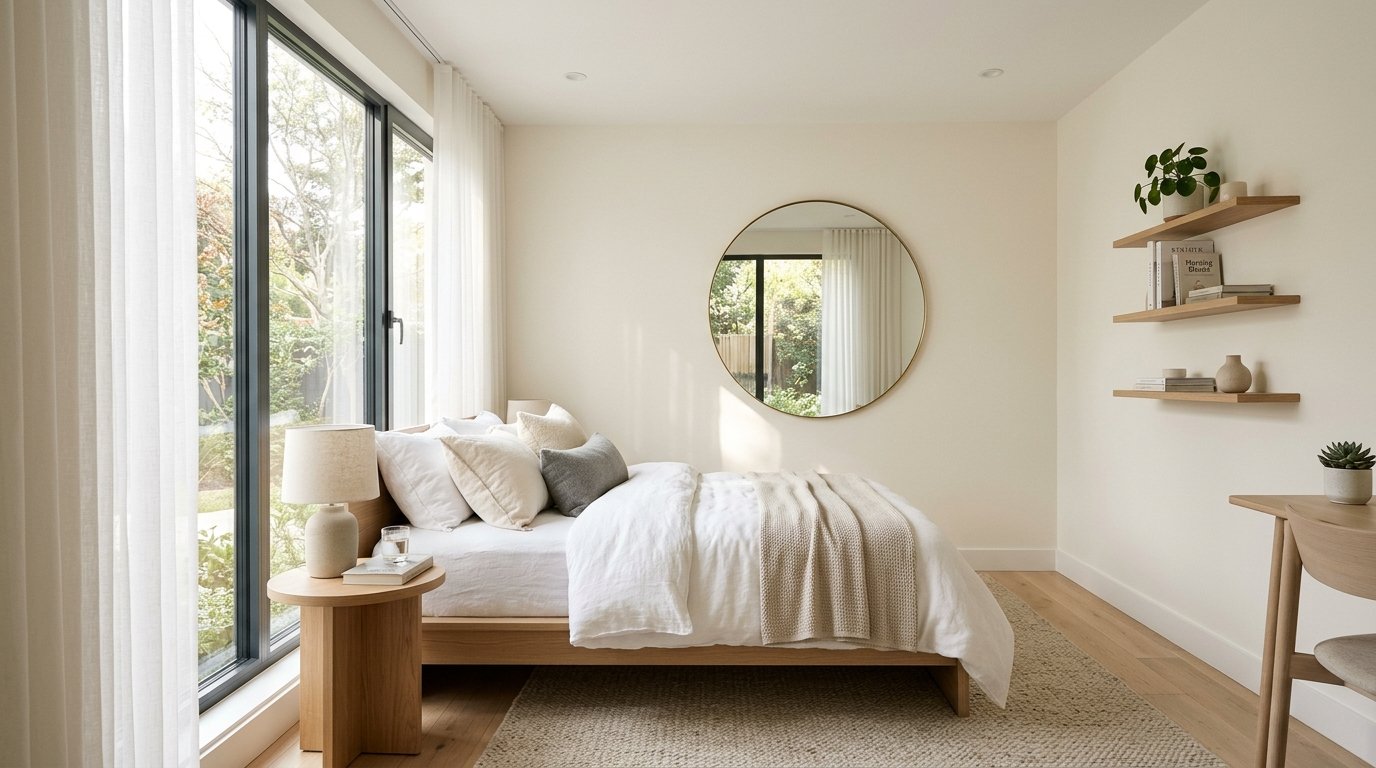
One of the oldest and most effective tricks in the interior design book is using mirrors to double the perceived size of a room. A large, well-placed mirror reflects both natural and artificial light, brightening up dark corners and creating a sense of depth that was not there before. For the best effect, place a mirror opposite a window to capture the view and the daylight, effectively bringing the outside in. Whether you choose a floor-length leaning mirror or a massive wall-mounted piece, the impact is immediate and transformative. The frame choice can also serve as a style statement, from sleek modern black to ornate vintage gold. Mirrors eliminate that ‘boxed-in’ feeling common in small bedrooms by opening up a second visual plane. It is an affordable and non-permanent way to upgrade your room’s architecture and ambiance.
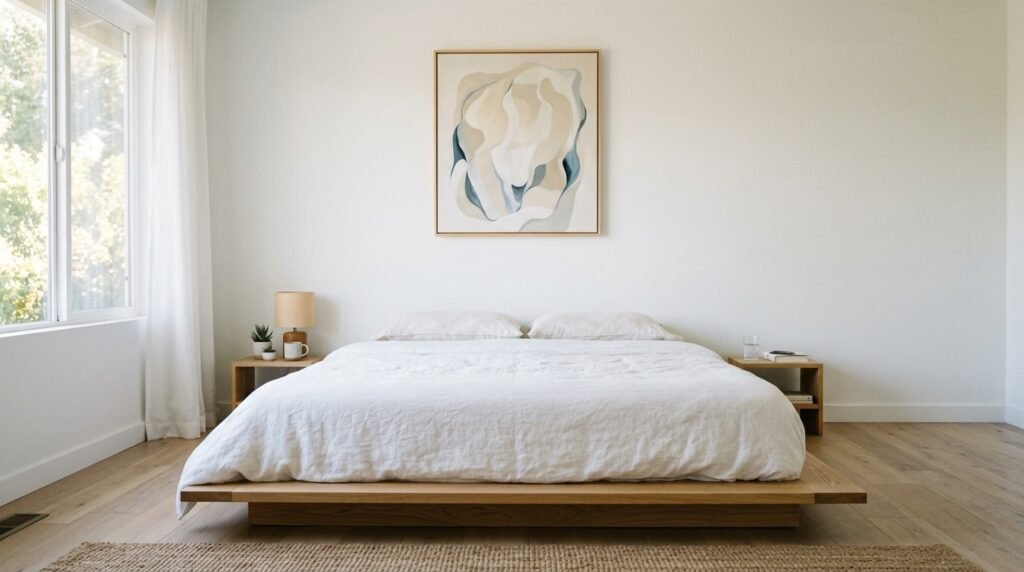
5. Low-Profile Platform Beds
Choosing a low-profile platform bed is a strategic move to preserve the ‘airspace’ in a small room, making it feel less congested. By keeping the bed closer to the floor, you leave more open wall space above, which contributes to a feeling of height and openness. These beds often feature clean, horizontal lines that elongate the room without the visual weight of a bulky headboard or footboard. Minimalist frames also eliminate the need for a box spring, allowing for a sleeker profile that fits perfectly into modern or Japanese-inspired aesthetics. When the bed is lower, the ceiling feels further away, which is a psychological trick that reduces the sense of being cramped. Pairing this with light-colored bedding creates a cloud-like center for your room that feels inviting rather than overbearing. It is the foundation of a sophisticated, modern minimalist bedroom design.
6. Strategic Sconce Lighting
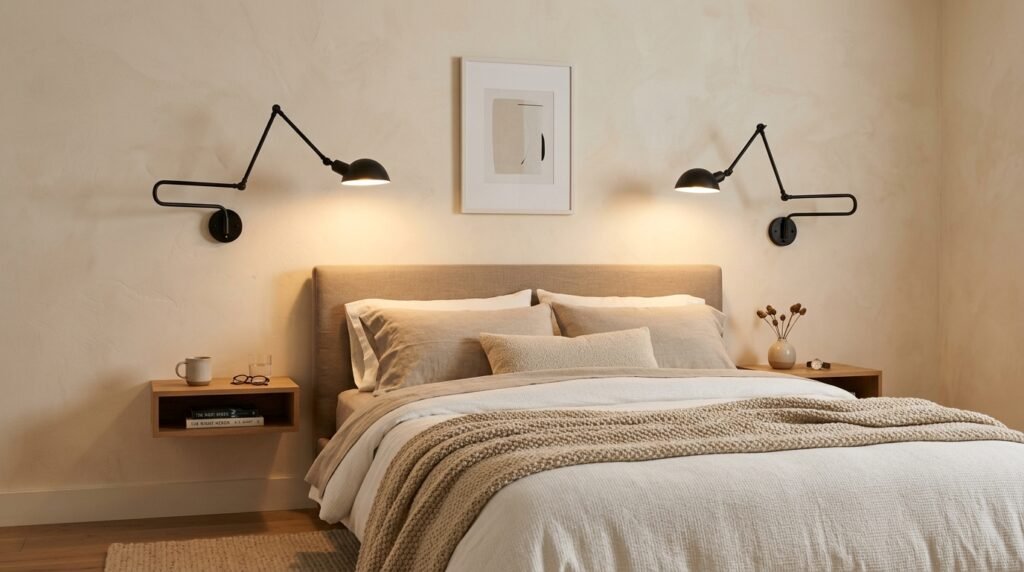
Wall-mounted sconces are the perfect alternative to bulky table lamps that take up precious real estate on your nightstands. By moving your lighting to the wall, you free up the surface area for other necessities or keep it completely clear for a cleaner look. Sconces with adjustable arms provide targeted light for reading in bed without the clutter of tangled cords on the floor. They also add a professional, custom-built feel to the room’s design, making it look more curated and high-end. Layering your lighting with sconces allows you to control the mood and ambiance more effectively than a single overhead light. Choosing designs with metallic finishes can also add a touch of luxury and reflect light even when they are turned off. This small change makes a massive difference in the perceived organization and spaciousness of the bedroom environment.
7. High-Mounted Window Treatments
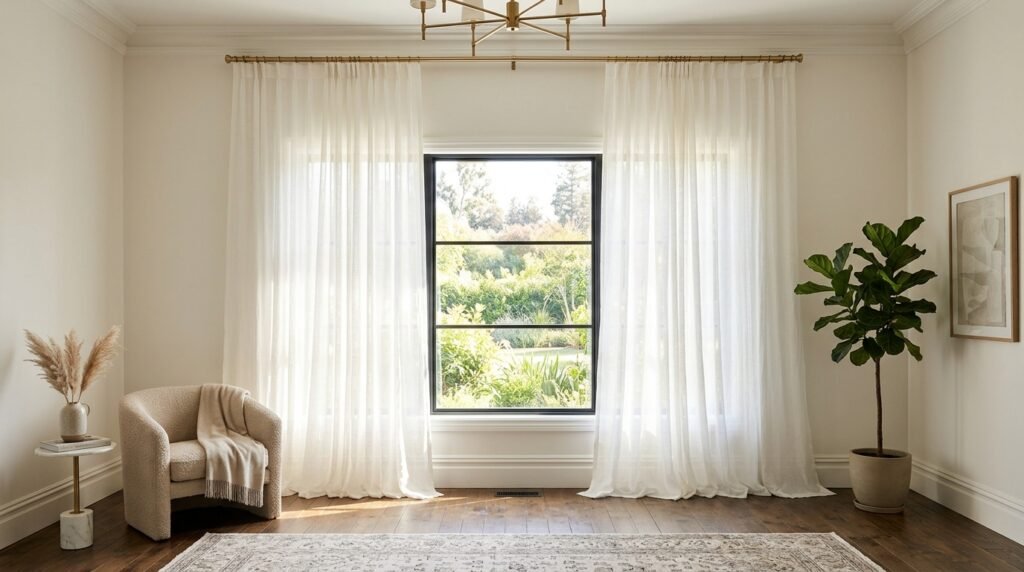
To make your windows look larger and your ceilings taller, always mount your curtain rods several inches above the actual window frame. By hanging long, floor-length curtains high and wide, you frame the window in a way that suggests a grander scale than what exists. This technique draws the eye all the way to the top of the wall, emphasizing the height of the room rather than its narrowness. Choose sheer or light-colored fabrics to allow maximum natural light to filter through, which is essential for keeping a small space feeling fresh. Heavier blackout curtains can be layered for sleep quality, but keeping them pulled back during the day is key. This simple adjustment to your window treatments can make a standard room feel like a high-ceilinged luxury suite. It is a cost-effective designer secret that works every single time without fail.
8. Multi-Functional Storage Benches
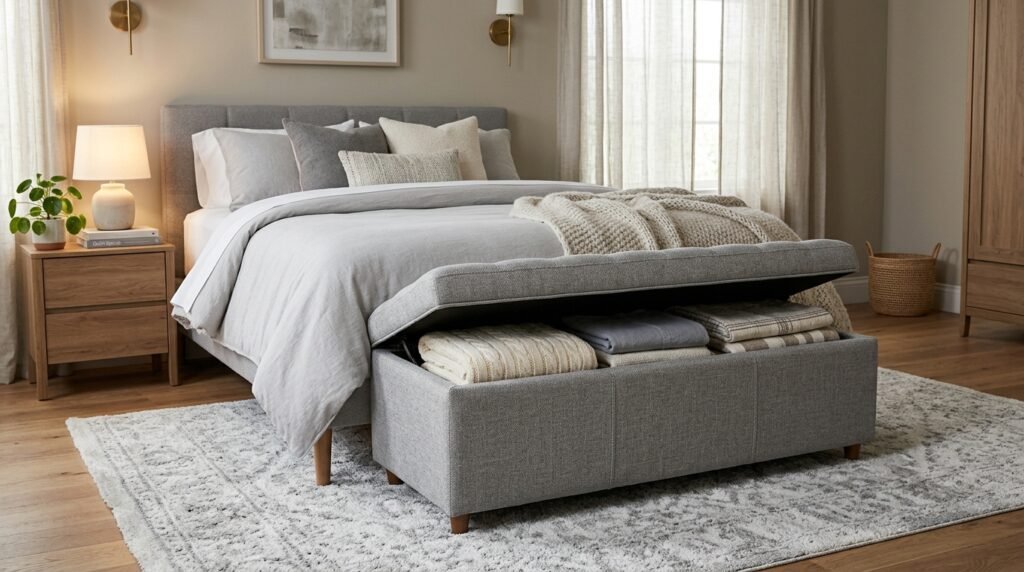
A storage bench at the foot of the bed provides a dual-purpose solution that is perfect for tucking away extra linens, shoes, or off-season clothing. By choosing a bench with a slim profile, you gain significant storage without the bulk of an extra dresser. It also serves as a convenient place to sit while putting on shoes or a spot to lay out your outfit for the next day. Selecting a bench with a fabric that matches your bed frame or rug can help it blend into the room’s existing palette, maintaining a unified look. This prevents the room from feeling like it is filled with mismatched furniture pieces. Keeping items hidden inside the bench helps eliminate visual clutter, which is the primary enemy of a small bedroom. It is a practical and stylish way to maintain order in a confined environment.
9. Transparent Acrylic Furniture
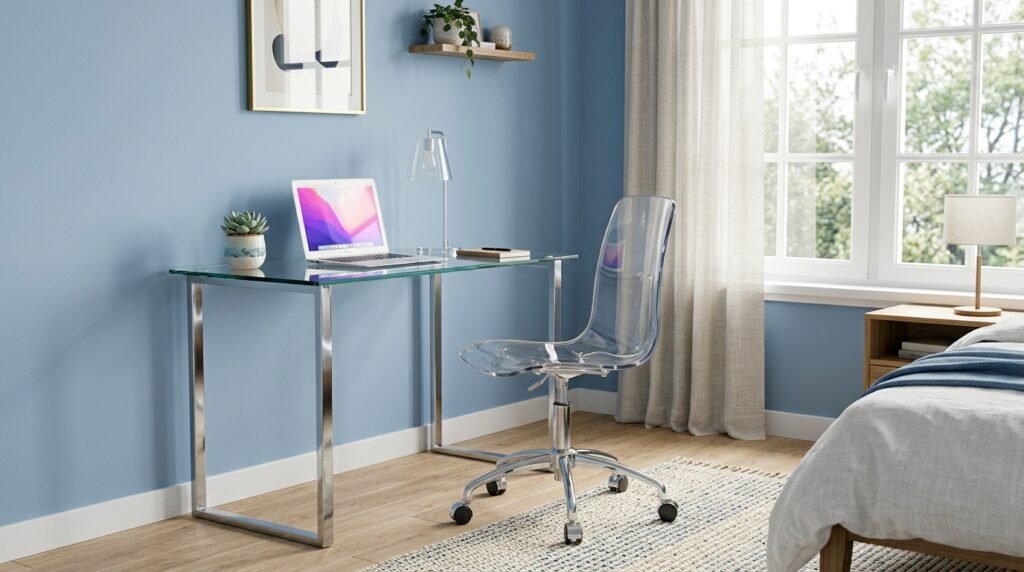
Acrylic or ‘ghost’ furniture is a brilliant choice for small rooms because it is virtually invisible to the eye. An acrylic chair or a small desk provides all the functionality you need without taking up any visual space or casting heavy shadows. Because you can see right through these pieces, the floor and walls remain visible, maintaining the room’s original dimensions in your perception. This is particularly effective for creating a workspace within a bedroom without making the area feel crowded or heavy. Acrylic pieces are also modern and chic, adding a touch of contemporary flair to any decor style. They pair beautifully with more solid materials like wood or metal, providing a balanced and airy look. It is the ultimate trick for adding furniture to a room that technically has no more space for it.
10. Monochromatic Color Palettes
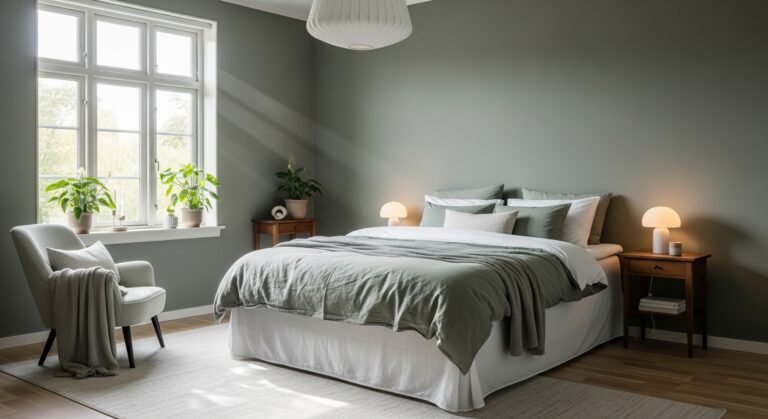
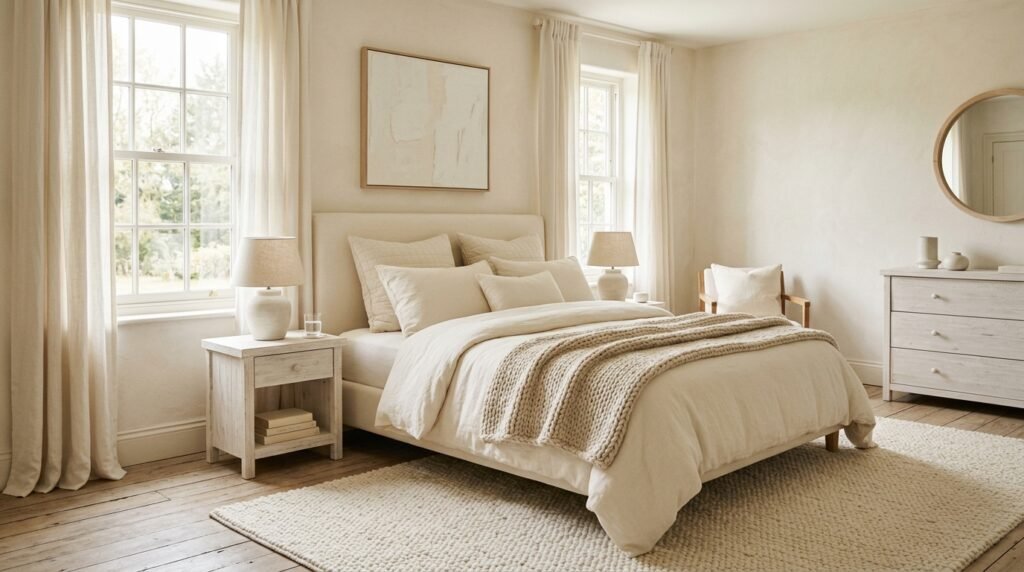
Using a monochromatic color scheme is a powerful way to make a small bedroom feel unified and expansive. When walls, bedding, and furniture are all within the same color family, the lack of high-contrast transitions prevents the eye from stopping at the edges of objects. This creates a seamless visual flow that tricks the brain into perceiving the space as larger and more continuous. You can add depth and interest by layering different textures within the same hue, such as a chunky knit throw over smooth linen sheets. Light shades like soft whites, pale greys, or muted beiges are best for reflecting light, but even darker tones can work if applied consistently. This approach creates a soothing, spa-like atmosphere that feels intentional and high-end. It is a sophisticated way to minimize visual noise and maximize a sense of tranquility and space.
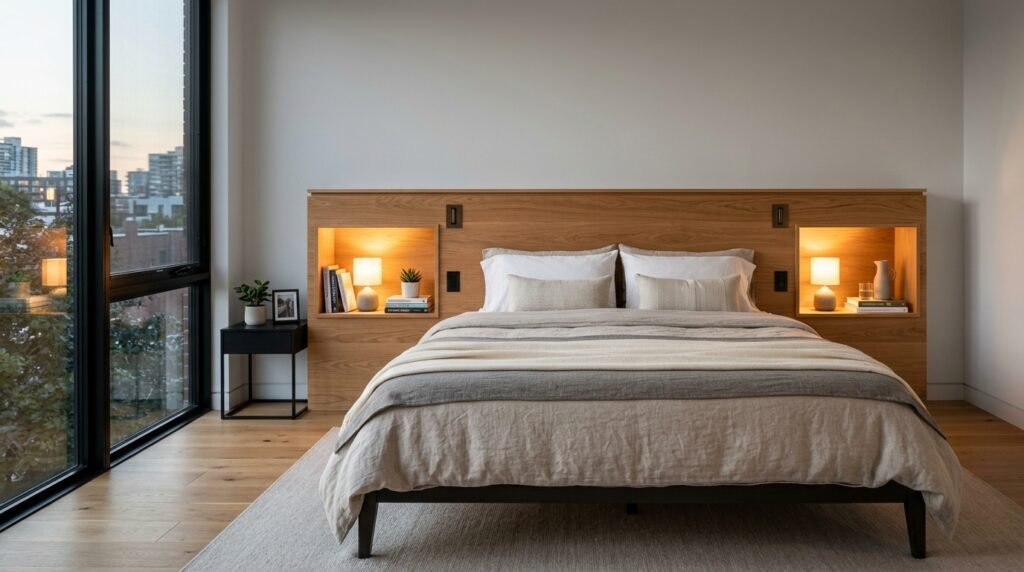
11. Built-in Headboard Nooks
If you don’t have room for traditional nightstands, a built-in headboard with integrated nooks or shelving is a brilliant alternative. This design utilizes the wall space directly behind your bed to hold lamps, books, and decor items without extending into the floor area. It creates a sleek, custom look that feels like a part of the architecture rather than a separate piece of furniture. By recessing the storage into the wall or the headboard itself, you keep the walkway on either side of the bed completely clear. This is especially helpful in very narrow rooms where every centimeter counts for ease of movement. You can even include integrated lighting or charging stations within the nooks for added modern convenience. It is a clever, space-saving solution that combines style with high-level functionality for the ultimate small-room layout.
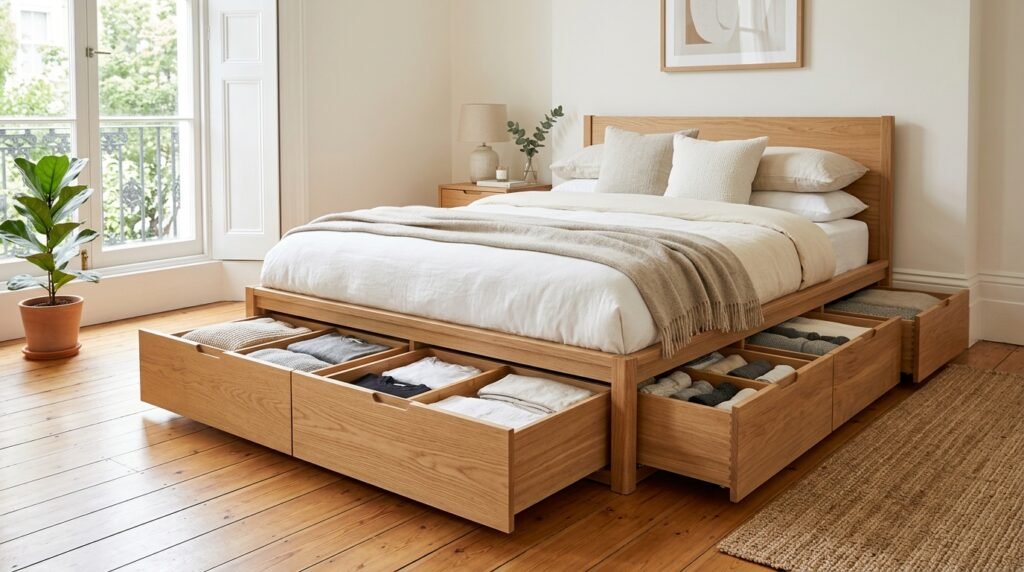
12. Under-Bed Drawer Systems
The space beneath your bed is often an untapped goldmine for storage in a small bedroom. Instead of using messy plastic bins, invest in a bed frame with built-in drawers or a high-quality rolling system that matches your decor. This allows you to store bulky items like sweaters, jeans, or extra bedding out of sight while keeping them easily accessible. Under-bed storage keeps the room looking tidy by removing the need for a large, space-consuming dresser. When your clothes and belongings are hidden away, the room feels much more open and breathable. It is important to choose drawers that glide smoothly to ensure the system is practical for everyday use. This hidden storage solution is essential for anyone living in a small space who struggles with closet overflow. It turns dead space into a highly functional asset for your home organization.
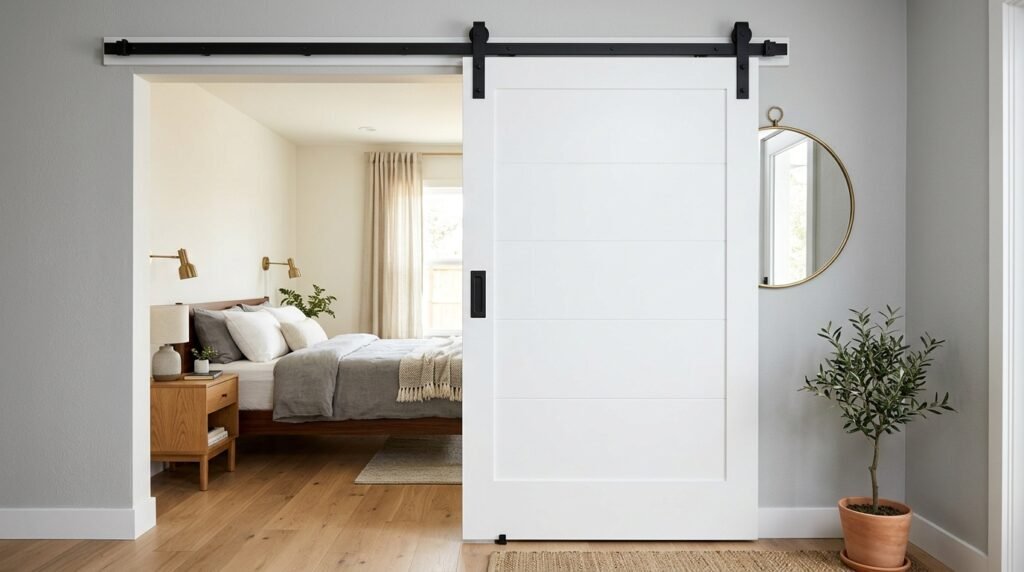
13. Sliding Pocket or Barn Doors
Traditional swinging doors require a significant amount of ‘clearance space’ that can make a small bedroom feel even tighter. Switching to a sliding pocket door or a stylish barn door eliminates this swing radius, allowing you to place furniture closer to the doorway. Pocket doors disappear entirely into the wall, offering the most space-saving benefit and a very clean, modern look. Barn doors, on the other hand, slide along a track on the outside of the wall, serving as a decorative feature that adds texture and style. Both options improve the flow of the room and make it feel more connected to the rest of the home. This change can be particularly impactful in small ensuite bathrooms or walk-in closets attached to the bedroom. It is a functional upgrade that yields immediate spatial rewards and a custom-designed feel.
14. Lofted Sleeping Areas
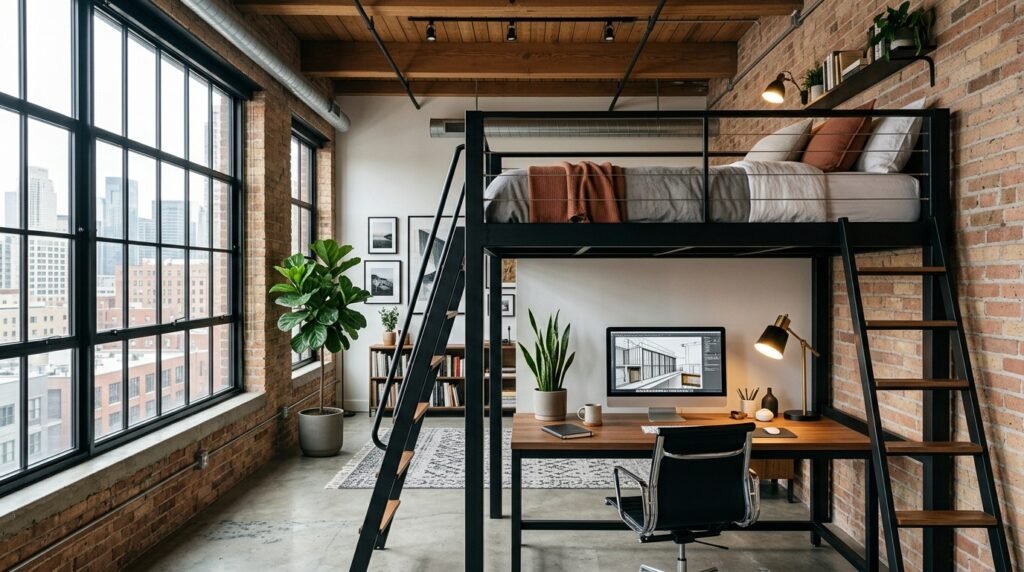
In rooms with high ceilings but limited floor space, a lofted bed can effectively double your usable square footage. By elevating the sleeping area, you create a whole new ‘room’ underneath that can be used for a desk, a cozy reading nook, or even a walk-in closet. This vertical layering is the ultimate solution for micro-apartments or very small urban bedrooms. While it requires a bit more effort to climb up, the payoff of having a dedicated living or workspace below is immense. Modern loft designs are far from the dorm-room style of the past, often featuring sophisticated materials, glass railings, and integrated stairs with storage. It turns your bedroom into a multi-level sanctuary that feels much larger than its footprint suggests. This is a bold design move that prioritizes functionality and creative use of every cubic inch available.
15. Large Area Rugs to Define Space
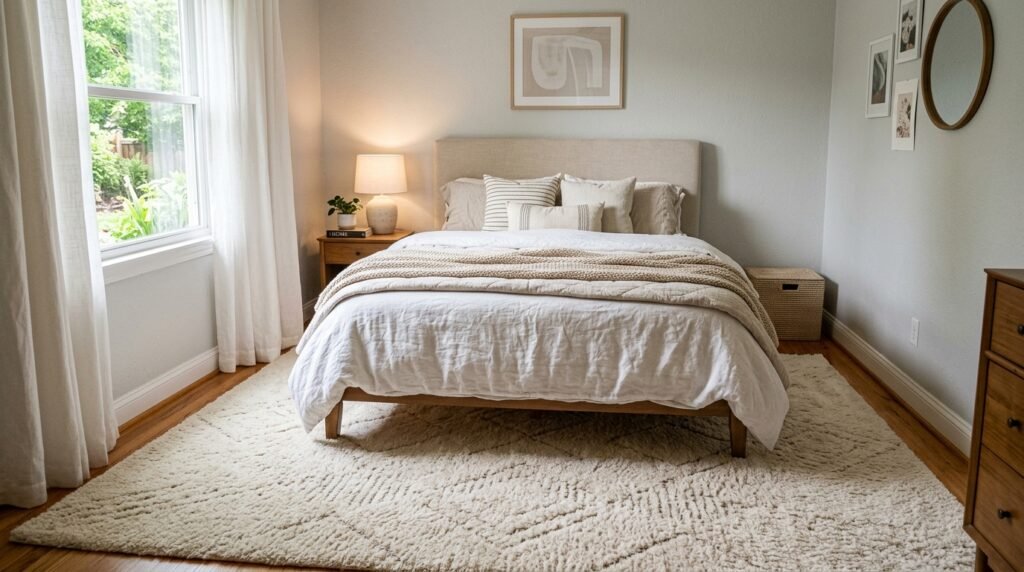
While it might seem counterintuitive, a large area rug can actually make a small room feel bigger than several small ones would. A rug that extends under the bed and covers most of the floor creates a singular, unified visual field that expands the boundaries of the room. It anchors the furniture and prevents the space from looking disjointed or cluttered with small floor accents. Choosing a light color or a subtle, large-scale pattern helps to brighten the area and add a sense of luxury. The texture of a good rug also adds warmth and comfort, making the room feel more inviting and less like a utility space. By ensuring the rug is large enough for the furniture to sit on, you create a sense of scale that tricks the eye into seeing more room. It is a simple textile choice that has a profound impact on the overall perception of the environment.